Articles & Insights

Search for An Article Here:

September 4, 2026

Building Between Generations: The Hire Nobody Designs the Search For

Family business succession planning usually centers on the founder and the next generation. There's often a third person missing — the non-family executive who can translate the founder's operating system into something the business can actually inherit. A look at how that hire fails, and what it actually requires.
September 2, 2026

The Finance-Sports Hybrid: Why PE-Backed Teams Keep Hiring Half the Role

PE-backed sports organizations keep defining the role as "a sports CFO with PE experience," then split the search into a finance half and a sports half. Both halves miss the same thing: the executive who can hold capital discipline and competitive consequence inside a single decision. Sometimes the organization doesn't need a rarer executive — it needs clearer governance around the one it's trying to hire.
August 31, 2026

Sports Is Not a Vertical. It Is an Operating Condition.

The familiar CEO scorecard produces impressive shortlists for sports franchise searches. It does not tell the sponsor whether any candidate can operate when the product is emotional, the regulator is also a partner, and the performance variable everyone judges most sits largely outside the CEO's control. The seven-dimension diagnostic measures what standard scorecards miss: the operating tensions that determine whether a sports CEO succeeds or fails.
August 28, 2026

Series B Biotech COO: When Founder Proximity Stops Scaling

At Series A, founder proximity is the operating system — context radiates through the hallway. Then the Series B closes, the company triples, and the founder still holds the context but stops transmitting it. The new COO inherits accountability without the authority or the history behind it, and "full autonomy" becomes paralysis. The title transfers in one announcement. The operating system doesn't.
August 24, 2026

Sports Executive Search Conflicts: What Off-Limits Hides

Off-limits policies protect every client who has ever hired a retained search firm, but in a league with thirty teams, they can also quietly shrink the usable candidate pool. This piece maps the sports executive search conflicts most buyers never examine, and the questions worth asking before the engagement letter is signed.
August 21, 2026

Nearshoring to Mexico: Why Leadership Fits the Corridor

Foreign manufacturers pour into Mexico with a solid cost model and a fatal assumption: that the home-country operating system will travel with the production line. It won't. Monterrey, the Bajío, Guadalajara, and Ciudad Juárez run on different labor, supplier, infrastructure, and cross-border conditions — and plant stage changes the mandate again. Mexico is not one track. The title of Plant Manager doesn't tell you which circuit the executive can actually run.
August 17, 2026

Sports Ownership Transition: Hire a Translator First

A sports ownership transition doesn't just change who owns the team — it changes which mandates survive. This piece argues that before installing institutional operators, franchises need a translator who can bridge the old culture and the new governance model. Four diagnostic questions help determine who can adapt and who can't.
August 12, 2026

Why U.S. Companies Misread the Guadalajara Executive Market

U.S. companies typically know Mexico by stereotype — Monterrey for manufacturing, Mexico City for corporate, Tijuana for maquila. Guadalajara comes up late, if at all. That is the first mistake. Over twenty years of executive search in this market, I've watched Guadalajara evolve from a secondary market into a relationship-dense executive corridor with its own rules. The U.S. companies that treat it like a smaller Mexico City are systematically losing to the ones who read it correctly.
August 10, 2026

Founder CEO Transition: A Transfer Protocol, Not a Search

The first professional CEO does not inherit a job. She inherits a bundle of trust, judgment, memory, authority, and cultural legitimacy embedded in one person. A search can fill the title. It cannot move the bundle. Before the candidate profile is written, the board must map what the founder is still holding together and decide whether each dependency must be transferred, institutionalized, or rebuilt from zero.
August 7, 2026

Board Search vs CEO Search: Why They Need Different Diagnostics

Board search and CEO search share the same mechanics. They do not share the same diagnostic. In board search, the unit of analysis is the collective system. In CEO search, it is the leader operating under specific conditions. Confuse the two, and the organization becomes simultaneously over-governed and under-led. The first search decision is not which candidate profile to build. It is deciding which system requires repair.
August 5, 2026

How Sports Franchises Actually Retain Executives Against Platform Competition

Naming the sports talent export problem was the easy part. Solving it is harder. Retention in modern sports is no longer about matching a competing offer — it is about designing an operating environment that makes the platform's offer feel like a lateral move. Compensation, promotion, and deferred equity conversations were built for a market that no longer exists. The franchises that will still be retaining top commercial executives in 2030 are the ones redesigning their operating environment now.
August 3, 2026

Pharma CEO Succession: What Boards Are Signaling Next

Between January 2025 and June 2026, five of the world's largest pharmaceutical companies changed CEOs. The appointments do not describe one archetype — they show boards selecting for the next condition rather than reproducing the last leader. For every executive one tier down, the question shifts from "am I excellent at my function?" to "have I developed the range to lead the next version of the enterprise?"
July 31, 2026

The People Infrastructure Gap in Sports

Professional sports franchises generate hundreds of millions in revenue and employ hundreds of people — but most still manage their workforce through administrative HR that reports to the CFO. The People Infrastructure Gap™ between organizational complexity and people leadership capacity is becoming indefensible. The sports CHRO is the executive who closes it.
July 29, 2026

The Board Question Gap: What Your Board Is Not Built to Ask

Every board has a question gap — the risk its own composition, expertise, and social dynamics make structurally unlikely to surface. The most valuable director isn't always the one with the most impressive resume. It's the one whose questions challenge the board's dominant mode before the market does. Board search cannot begin with "who is impressive?" It has to begin with "what question is this board not currently built to ask?"
July 24, 2026

When Remote Executive Leadership Breaks

Remote leadership works in steady state and breaks in the moments that define careers, cultures, and organizations. Crisis, cultural transition, and unstructured conversations require presence — not because the technology fails, but because those are the conditions where leadership depends on reading the room, absorbing weak signals, and acting before the formal system can catch up. Location is not a preference question. It is a conditions question.
July 22, 2026

PE Backed Sports CEO Search: What to Test For

The mistake was not in the operating performance. It was in the selection. Selecting a CEO for a PE-backed sports franchise, property, or sports-media asset requires evaluating a set of capabilities founder-led search does not test for. Sponsor communication fluency. Value-creation plan literacy. Exit-path awareness. Cultural resonance with a public-facing asset that predates any sponsor's ownership. The best PE-backed sports CEOs do not just deliver returns. They preserve the asset that made the returns possible.
July 20, 2026

Sports Tech Executive Search: The Hybrid Profile

Sports tech has capital, product innovation, and customer demand. What it lacks is an executive who can translate product capabilities into adoption within sports organizations. The Sports Tech Hybrid™ integrates four capabilities the market keeps separating: product fluency, sports-adapted enterprise methodology, ecosystem navigation, and adoption architecture. Sports tech will not be won by the smartest product. It will be won by leaders who can make the market understand, buy, adopt, and renew it.
July 17, 2026

Sports Executive Failure: The 40% Diagnostic

Roughly four in ten senior leaders fail, fall short, or leave within eighteen months. In sports, the failure is louder — but it usually begins before the press conference. The 40% Diagnostic™ identifies the four failure modes — credential bias, cultural mismatch, PE condition shock, and scope ambiguity — that defeat sports executive placements upstream of the candidate. Alpine's five team principal configurations in four years is the case study. The talent is visible. The conditions are not. That is where the search has to begin.
July 15, 2026

Employer Brand Executive Search: Candidates Audit You

A perfect CFO candidate declined the offer the night before signing. She had spent an hour on Glassdoor. The reviews contradicted what the company had said about itself for forty-five minutes. She did not reject the role. She rejected the dissonance. Employer brand is no longer marketing — it is evidence. The Reputation Dissonance Audit™ runs before the search because the candidate already runs hers.
July 13, 2026

Sports Executive Talent: The Adjacent Talent Map

PE franchise reshuffles. Women's sports franchise builds. World Cup legacy organizations. College athletics restructuring. Middle East expansion. Sports may need 500 or more senior executives in the next three years — and the traditional sports talent pipeline cannot produce them. The Adjacent Talent Map™ identifies the six ecosystems where the next generation of sports leaders is already operating, just not under titles that say "sports." The shortage is real only if you insist on looking in one pool.
July 10, 2026

Founder Readiness Test: Why the Fourth COO Worked

He fired three COOs in four years. Each one arrived with a strong résumé and the founder's stated commitment to "step back from operations." None lasted. The fourth one is still there three years later, and the company has doubled. The difference was not the COO. The Founder Readiness Test™ is the diagnostic that distinguishes founders who are intellectually willing from founders who are behaviorally ready — before the search begins, not after the next failed hire.
July 8, 2026

Mexico Sports Executive Search: The Legacy Window

The 2026 World Cup ends July 19. The 6-to-18 months after it — the Legacy Leadership Window™ — will determine whether the tournament was a spectacle or a platform. Across legacy organizations, Liga MX professionalization, sponsor activation transitions, and venue leadership, Mexico's post-World Cup talent market will be one of the most important executive search moments in Latin American sports. A renovated stadium is not a business model. The leaders placed in the window will decide what comes next.
July 6, 2026

First Board Seat: Why Accomplished Executives Miss

She ran a $400 million P&L across three countries and didn't get the board seat. The nominating committee's verdict: "We'd hire her in a heartbeat. But we didn't see her as a board member." That sentence is the gap most first-time board candidates fall into without knowing it exists. Boards do not fill seats. They fill gaps. The résumé gets you considered. Governance judgment gets you appointed.
July 3, 2026

Sports Leadership Assessment: Driver Calibration

The fastest driver doesn't always win. The one who reads conditions does. Formula 1 is not a metaphor — it is a diagnostic framework for reading how talent, systems, and conditions interact. Driver Calibration™ applies that lens to sports executive search, evaluating leaders not for their resume alone but for their calibration to the specific conditions they are entering.
July 1, 2026

Sports Media Executive Search: The Hybrid Gap

Sports has $30 billion in media rights and a structural leadership gap. The executives who built the broadcast era are not wrong — they are miscalibrated for the market sports has already entered. The Sports Media Hybrid™ is the new profile: a leader who integrates rights architecture, streaming product logic, platform strategy, and fan monetization into one commercial system. This is how I assess for it.
June 29, 2026

VP of Sales Assessment: The Rainmaker Trap

The $15 million personal closer looks more impressive than the leader who built a $40 million team. That gap is the rainmaker trap — the most expensive mistake a CEO makes when hiring a VP of Sales. The Builder Test™ is a five-question diagnostic for separating revenue production from organizational capacity before the hire, not after the departure.
June 26, 2026

Founder to CEO Transition: When You Become the Constraint

The founder built the company from zero to $40M on instinct, speed, and personal control. Then it stalled — and he called it a talent problem. It wasn't. The founder's paradox is that the same instincts that create a company become its constraint at scale, unless they're converted into systems, decision rights, and leadership capacity. The founder's final act of control is building a company that no longer needs to be controlled by him.
June 24, 2026

The Nearshoring Talent War Is Not About Compensation

Mexico's nearshoring boom created demand for hundreds of bilingual, bicultural manufacturing leaders simultaneously, and the supply is measured in dozens. The U.S. instinct is to compete on compensation. It fails. The strongest executives aren't choosing money; they're choosing conditions: authority, trajectory, and whether the company treats Mexico as a strategic center or a cost line. The nearshoring talent war is not a compensation negotiation. It is a conditions audit with a talent outcome.
June 22, 2026

When the Founder’s Network Becomes the Hiring Ceiling

A founder's network is one of the most powerful assets in the early life of a company — built on trust, speed, and shared risk. But once the company outgrows the conditions that created it, the same network starts selecting for familiarity instead of future capability. It limits not just who the founder can reach, but how the founder defines the role itself. The network built the company. It should not be allowed to define the company's ceiling.
June 19, 2026

CFO Succession Planning: The Dependencies Nobody Maps

The CFO didn't leave a gap. She revealed one. CFO succession isn't about finding a replacement — it's about what the CFO was carrying. The five dependencies that surface when a strong CFO gives notice, why most succession plans answer the wrong question, and what to map before the search begins.
June 17, 2026

Why Senior Leaders Choose Smaller Roles on Purpose

Some senior executives are not stepping down. They are stepping closer — choosing conditions over hierarchy, proximity over scope, and build-stage impact over the theater of seniority. The market reads a smaller title as regression. The better question is what conditions the executive was moving toward. Recalibration is not retreat. Knowing the difference is where the hire is won.
June 15, 2026

Executive Title Inflation: When VP Means Nothing

Title inflation starts when a company treats titles as free currency. It ends when the company discovers they were never free. Every inflated title carries an implied claim on authority, accountability, and decision rights — and if those claims are not designed, they become political. This is also where many executive searches start badly: hiring a senior leader to "bring clarity" into an architecture built to avoid it.
June 12, 2026

Why U.S. Companies Misread Mexico Executive Talent

Most U.S. companies aren't missing Guadalajara's executive talent because it's hidden. They're missing it because their assessment model was built for another market — one that rewards pedigree, penalizes geography, and mistakes cost-of-living for value creation. The talent was never missing. The lens was.
June 10, 2026

The Counterintuitive Hire

The counterintuitive hire is not a gamble. It only looks like one when the search is built around credentials instead of conditions. Why the candidate who makes the committee nervous is sometimes the only one calibrated for the role — and the three dimensions that checklists systematically underweight.
June 8, 2026

The CHRO Role Is Impossible: How Scope Inflation Gets Built

Nobody sat in a boardroom and designed an impossible CHRO mandate. It happened one reasonable request at a time — DEI, mental health, employer brand, AI workforce planning, culture architecture — each sounding manageable in isolation. The accumulation is the problem. What boards must answer before the next CHRO search starts.
June 5, 2026

Leadership Churn: When Replacing Leaders Becomes the Problem

Six team principals in four years. Each one was supposed to fix the problem. None stayed long enough to find out whether they could. Before you replace a leader, one question: why did the last three fail? If every leader fails in the same system, the leader is not the pattern. The system is.
June 3, 2026

When to Hire Executive Search Firm (And When Not To)

Most companies ask whether to hire a search firm after the brief is written and the urgency is high. The better question is earlier: have you actually defined what the role requires — not the title, but the conditions? A search firm earns its fee not by finding names, but by calibrating the hire to the conditions the company is entering. Not a Rolodex. A calibration system.
June 1, 2026

Credentials Don’t Predict Executive Success. Conditions Do

The resume tells you what they've done. References tell you what others remember. Neither tells you whether they will work here. After twenty years placing C-suite leaders across the U.S. and Mexico, one conviction has survived every search, every miss, every surprising success: the right hire is a function of calibration, not talent. The three signals that predict executive success more reliably than credentials — and how great searches start differently.
May 29, 2026

New Executive Early Mistakes: Why Fast Action Costs More

Early action is visible. Understanding isn't. The pressure new executives face to move fast in the first thirty days produces changes based on the previous organization's conditions, not the current one's — and those early moves cost more to reverse than they gained. What the formation lap principle reveals about how the best leaders actually start.
May 27, 2026

Family Business CFO: Translating Between Generations

In a family business, the CFO isn't managing numbers — they're translating between generations. And every translation favors one side. What happens when that translation goes wrong, the three traps that claim most family business CFOs, and what the right calibration actually requires.
May 25, 2026

CHRO in Private Equity: The Role Built on Contradiction

PE asks the CHRO to execute layoffs, retain survivors, and build the leadership bench — simultaneously. These objectives don't just conflict. They require opposite organizational signals. Why the CHRO role in private equity is structurally contradictory, what the three tensions look like in practice, and what the specific profile actually requires.
May 22, 2026

Sales Leadership in Mexico: Why U.S. Systems Fail

His CRM was empty. His close rate led the company. The VP of Sales wanted him gone. Mexico didn't underperform — the management model did. What happens when U.S. sales systems collide with Mexican relationship architecture, and what the right commercial leader for this market actually looks like.
May 15, 2026

Sales Comp Plan Design: Why Your Revenue Is Broken

Your comp plan is your real strategy — not the deck, not the offsite, not the CEO's stated priorities. Whatever you pay for, you get, whether you want it or not. What the three most common compensation misalignments produce, why companies would rather change the leader than the incentive, and what to fix before you blame the team.
May 13, 2026

First HR Hire: Why Startups Always Wait Too Long

Fifty employees. No handbook. No onboarding. No performance framework. The founder said they hadn't needed HR yet. Three employment issues later, they needed it retroactively. Companies don't delay the first HR hire because they don't need it — they delay it because people infrastructure fails slowly, until it doesn't. When the hire should actually happen, what level to hire, and what the first 180 days should look like.
May 11, 2026

CFO Search in Mexico: The Cultural Variable That Decides It

Cross-border CFO searches between the U.S. and Mexico fail in a remarkably consistent way. The brief prioritizes credentials. The failure comes from calibration. What the cultural immune response looks like in practice, the four variables that determine success, and why bilingual is not bicultural — and the difference is where most searches fail.
May 8, 2026

Executive Succession: When One Person Is the Whole System

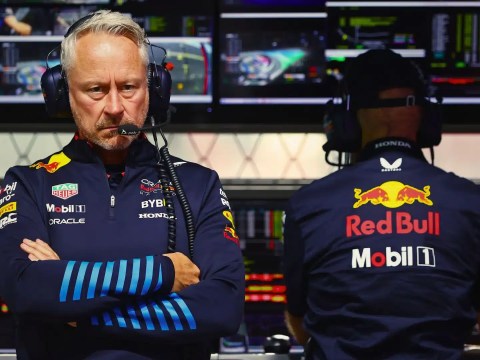
Most companies don't have succession risk. They have a hidden dependency risk they haven't named yet. When one leader IS the design architecture, the financial framework, or the client relationship — naming a replacement doesn't solve the problem. What the Red Bull-Newey situation reveals about the gap between succession planning and succession reality.
May 6, 2026

PLG Sales Team Hiring: Why the First VP of Sales Fails

The product sold itself for three years. Then the board said hire a sales team. What follows is one of the most predictably failed hires in tech — not because the candidates are wrong, but because the search is. Why PLG companies define the role before they define the conditions, what the collision actually looks like from inside, and the model that actually works.
May 4, 2026

CFO Role in the Age of AI: What Actually Survives

Half of what made your CFO valuable five years ago is now a prompt. The variance analysis is automated. The models are built before lunch. What survives the compression is everything that lives between data and decision — judgment, conviction, translation, and the conditions for truth. And that's where the job now begins.
May 1, 2026

The CHRO Nobody Noticed: When Invisible Value Disappears

Nothing happened while she was there. That was the point. The CHRO's output is negative space — and organizations don't measure what doesn't happen. What the best CHROs are actually doing while nobody notices, why they leave, and what collapses in the six months after they do.
April 29, 2026

COO First 100 Days: Why Operators Fail Before They Start

The COO role fails fastest in the C-suite — not because of capability, but because it's the only role with no defined edges. Every other executive inherits a domain. The COO inherits ambiguity. What the first hundred days actually require, and what the CEO owes the operator they just hired.
April 27, 2026

The Talent Magnet: How One Executive Hire Attracts More

Some executive hires fill a role. A few change the talent market around the company. The talent magnet's value isn't what they produce individually — it's who they pull in behind them. What separates a talent magnet from a strong operator, how to identify one during the search process, and why this is the most mispriced hire in executive search.
April 24, 2026

Executive Contract Extensions: When Timing Gets It Wrong

The most expensive executive contracts aren't wrong hires — they're right hires locked at the wrong moment. Performance peaks are the most dangerous time to commit. What the Red Bull–Pérez contract mistake reveals about how companies overcommit to good talent at exactly the wrong time.
April 20, 2026

The Hire That Changes Everything: System Over Resume

The hire that transforms a company isn't the most credentialed candidate — it's the one who changes how the system works. Eight consecutive championships didn't come from one great operator. They came from one person who redesigned the environment that produced performance. Most companies never find that hire because they're optimizing for the wrong variable.
April 16, 2026

The CRO Trap: Why Revenue Leadership Hires Fail

Three people in the company had revenue in their title. None of them owned the number. Marketing owned leads. Sales owned pipeline. Customer Success owned retention. Nobody owned the outcome. Each reported to the CEO. Each hit their metrics. The number still missed. The board's solution was predictable: hire a CRO. In practice, the CRO model fails more often than it succeeds. The CRO owns the number and controls none of the levers. This isn't a talent problem. It's a conditions problem. You're hiring integration without creating authority. Titles don't create alignment. Authority does.
April 13, 2026

The CFO-CEO Relationship Nobody Audits Before Hiring

Most CFO failures aren't about talent. They're about pairing. Companies hire individuals. They live with interactions. This isn't about chemistry — it's about calibration. Chemistry is how it feels. Calibration is how it works. The hire isn't the decision. The pairing is.
April 10, 2026

COO Succession: When Your Operator Outlasts Conditions

She built the system. The company outgrew it. She stayed. Not because she failed — because she succeeded too well. This isn't decline. It's drift. The conditions changed. The operator didn't. If you wait for the signals, you're already late. Plan succession while the system still works.
April 6, 2026

HR in Mexico: What U.S. Companies Get Wrong

U.S. companies don't fail in Mexico because of talent. They fail because they import the wrong system. The law protects differently, the culture responds differently, and loyalty flows differently — and the HR leader who doesn't understand all three will create consequences the American playbook never anticipated.
March 30, 2026

Does Your Company Need a COO? Probably Not. Here’s Why

The CEO said she needed a COO. What she needed was a better calendar and the discipline to stop showing up everywhere. The COO would have cost $400K. The real fix cost nothing. In about half the COO conversations I have, the company doesn't need a COO. It needs something else: a stronger functional leadership team, a chief of staff, or a CEO who learns to delegate. The COO is the most dangerously ambiguous role in the C-suite. The scope is defined entirely by subtraction: whatever the CEO won't do, can't do, or shouldn't be doing. Before you hire a COO, fix three things: your calendar, your weakest leader, and your operating rhythm. If the problem remains, you need a COO. If it doesn't, you never did.
March 27, 2026

McLaren Turnaround Zak Brown: Fix the Business First

McLaren was losing £125M a year, finishing ninth, and running out of time. Six years later, they were champions. Most people call this a turnaround. They miss how it actually happened. Zak Brown didn't start with the car. He started with everything around it: commercial stability, leadership, infrastructure, then performance. The product is the output. The organization is the system that produces it. Most companies try to fix the car. McLaren fixed the system that builds the car. That's why one wins occasionally. The other wins championships. The sequence is the strategy.
March 25, 2026

Founder CMO Conflict: Why Marketing Leaders Keep Leaving

He hired a CMO to own the brand. Then rewrote every headline, vetoed every campaign, and redesigned the logo twice. The CMO wasn't leading marketing. They were managing the founder. Founder-led companies produce the highest CMO turnover rate of any company type. Not because they hire bad CMOs. Because the conditions make effective marketing leadership nearly impossible until the founder resolves something that has nothing to do with marketing. The brand is the founder's public identity. Until the founder lets go of the brand as identity, the CMO is just a translator with no authority. Different CMOs. Same outcome.
March 23, 2026

Enterprise Sales Hire Startup Failure: Wrong Conditions

She had fifteen years of enterprise sales leadership at companies everyone recognizes. She brought playbooks, process, and a Rolodex. She also brought a burn rate your Series B couldn't survive. Growth-stage companies hire enterprise sales leaders because experience feels like insurance. It isn't. Experience in different conditions is different experience, and the transfer rate is lower than boards assume. The failure lives in the assumption that capability in one set of conditions predicts capability in another. Enterprise sales optimizes a machine. Growth-stage sales builds one. Same title. Different physics. Before hiring the impressive résumé, ask the simpler question: have they done it with nothing?
March 20, 2026

Boutique vs Large Executive Search Firms: Wrong Question

The executive search industry frames the decision as boutique vs. large. Specialized vs. global. Hands-on vs. infrastructure. And it's the wrong question. After twenty years placing C-suite leaders across U.S. and Mexico markets, the variable that predicts search success isn't firm size. It's diagnostic depth. Whether someone reads the conditions before running names. When leadership hires fail, the postmortem rarely blames the firm's size. It reveals that nobody mapped the founder's operating reality, the board's actual authority, or the decision boundaries the new leader inherited. Those are conditions problems, not candidate problems. Both models produce good outcomes. Both produce failures. The difference is what happens before the first candidate is sourced. The question isn't "boutique or big?" It's: does this partner understand the conditions my next leader will face?
February 23, 2026

Hiring a CCO for Mexico: 5 Mistakes U.S. Companies Make

American companies repeatedly make the same five mistakes when hiring commercial leadership for Mexico. They confuse Spanish fluency with cultural fluency, import U.S. pace expectations, underestimate regional variation, prioritize corporate visibility over local presence, and assume their commercial model will transfer. The root cause is consistent: they treat the role as a process deployment when it's actually a relationship asset business. The CCOs who succeed in Mexico aren't just commercially capable. They're calibrated for both worlds.
February 19, 2026

AI Is Eliminating Entry-Level Roles. Here’s What Breaks Next

The same AI adoption driving efficiency is simultaneously destroying the development pipeline that produces tomorrow's executives. Your current VP of Finance started as an analyst. Your COO started as a project manager. Your CRO started carrying a quota as a junior rep. When you eliminate entry-level roles, you don't just save money. You sever the pipeline. Nobody in the C-suite is connecting the dots because nobody's bonus is tied to internal promotions five years from now.
February 17, 2026

The CCO Resume Trap: Why Enterprise Credentials Fail

The candidates who look best on paper often struggle most in growth environments. A CCO calibrated for enterprise conditions has internalized operating assumptions that become invisible to them: decisions require consensus, resources are available, time horizons are long, and specialization is the norm. None of these is a character flaw. They're adaptations to different environments. But they predict failure when the environment changes. The question isn't whether the candidate is good. The question is whether they're calibrated for your conditions.
February 16, 2026

CCO vs CRO: Which One Does Your Company Actually Need?

CCO and CRO are used interchangeably in job postings, board conversations, and executive search briefs. They're not the same role. A Chief Revenue Officer owns the revenue engine and optimizes the pipeline. A Chief Commercial Officer owns the commercial strategy and defines how the company goes to market. The difference isn't org chart semantics. It's the difference between executing a known playbook and defining what the playbook should be. Confusing them is how companies hire the wrong executive and then blame the executive.
February 12, 2026

The Feedback Paradox: When Performance Reviews Fail

Your performance feedback is technically accurate. It's also completely useless. Performance reviews ask "How did this executive perform?" without asking "Were conditions matched to their calibration?" Here's the diagnostic error that costs organizations their best talent.
February 10, 2026

Director Telemetry: Reading What Credentials Can’t Show

Credentials show lap times. Telemetry shows capability. Two directors with identical resumes can have completely different governance impact. Here are the six behavioral channels that predict board effectiveness, and why telemetry only matters relative to your board's specific conditions.
February 9, 2026

The Safety Car Paradox: Crises Reveal Your Best Leaders

Every organization faces its version of the safety car. A supply chain collapse. A key departure. A market correction that compresses two years of runway into six months. The event itself isn't the problem. The problem is what the event reveals. Stable conditions hide as much as they show. The crisis didn't change anyone. It compressed the field. And compression makes everything visible. This is the safety car paradox: the event that disrupts everything is also the event that shows you who you actually have.
February 7, 2026

Why Most CHRO Searches Fail Before They Start

CHRO searches fail not because companies hire bad candidates. They fail because companies don't know what they're hiring for. The board remembers the HR executive who handled compliance. The CEO wants a strategic thought partner but can't articulate what that means. The search committee evaluates candidates against criteria that don't predict success in the actual role. The solution isn't more thorough interviews. It's clarity about what the role actually requires at this specific company at this specific moment, before the search begins.
February 6, 2026

The Founder-Friendly Trap: When Loyalty Hurts Business

The people who built your company are not always the people who can scale it. Founders know this. Boards suspect it. Early employees feel it. And everyone keeps pretending because the alternative feels like betrayal. This article names the loyalty tax that scaling startups pay when founders confuse gratitude with governance, and explains why being truly "founder-friendly" to the business sometimes means making the hardest call about the people who got you here.
February 3, 2026

Due Diligence on People: The Missing Chapter in Deals

Deal memos are exhaustive on financials and superficial on people. Human capital miscalibration should be modeled like integration risk — with probability, impact, and mitigation cost. Here's the missing chapter that determines whether your returns are real or overstated.
February 2, 2026

The Friday Driver Dilemma: When Interviews Predict Nothing

Practice conditions don't predict race performance. Interview conditions don't predict job performance. Here's why even brilliant interview performances tell you almost nothing about how an executive will operate when strategy collides with reality—and how to design assessments that measure what actually matters.
January 28, 2026

Why Your VP Sales Failed: The Setup Nobody Names

Most VP of Sales failures aren't talent failures — they're organizational failures wearing a human face. The founder succeeded despite the lack of systems. The VP Sales cannot succeed without them. Here are the four conditions that guarantee failure, and what to fix before your next hire.
January 27, 2026

The Optimization Trap: When Speed Becomes Sabotage

F1 is running three pre-season tests for 2026 because nobody knows how the new cars will behave. They refused to measure performance before understanding the system. Most organizations skip this step entirely — rushing to optimization before exploration, then blaming talent when results don't follow. Here's what that actually costs.
January 27, 2026

Manufacturing’s Leadership Vacuum: Nearshoring’s Hidden Crisis

Nearshoring isn't constrained by capital—it's constrained by leadership throughput. Leadership development operates on a five-to-ten year lag while capital deployment operates on eighteen months. The mismatch is structural. Here's why factories scale faster than the organizations built to run them.
January 26, 2026

The Middle Management Void: Why Your Series B Is Stalling

our CFO spent three hours yesterday reconciling expense reports. Your VP of Engineering is personally reviewing every pull request. Your CTO is troubleshooting a customer's API integration. Welcome to Series B, where your C-suite has become the world's most overqualified middle management team. I see this pattern constantly in growth-stage companies. The org chart looks impressive. Strong executives at the top. Talented individual contributors doing the work. But between them? A hollow layer where directors and senior managers should be. McKinsey research shows investors attribute 65 percent of portfolio company failures to people and organizational issues. The most common structural failure? The missing middle. McLaren F1 spent half a decade learning this lesson the expensive way before restructuring their technical leadership. Your Series B doesn't have that kind of time.
January 23, 2026

The CFO Who Can’t Fundraise: Series B’s Most Expensive Mistake

Your new CFO has impeccable credentials. Twenty years at a Fortune 500 company. CPA. MBA from a top program. Six months in, your books are pristine and your controls are bulletproof. There's just one problem: you're heading into Series B and she freezes in front of investors. I see this pattern constantly. The board hires for financial stewardship when they actually need capital markets leadership. They get a brilliant controller in a CFO costume. These are fundamentally different skill sets. Ferrari lost a championship learning this lesson with Mattia Binotto. McLaren won consecutive titles because Zak Brown understood that commercial leadership and technical leadership require different people. Your Series B needs a CFO who can raise capital, not just count it.
January 19, 2026

The Tire Whisperer: Executives Who Excel in Resource-Constrained Conditions

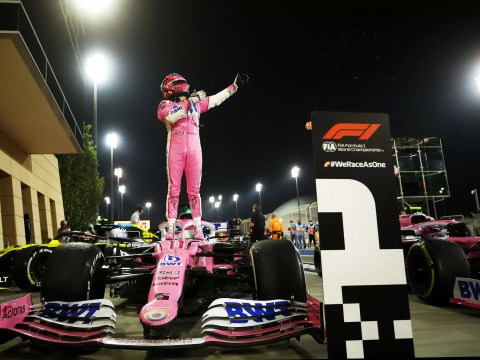
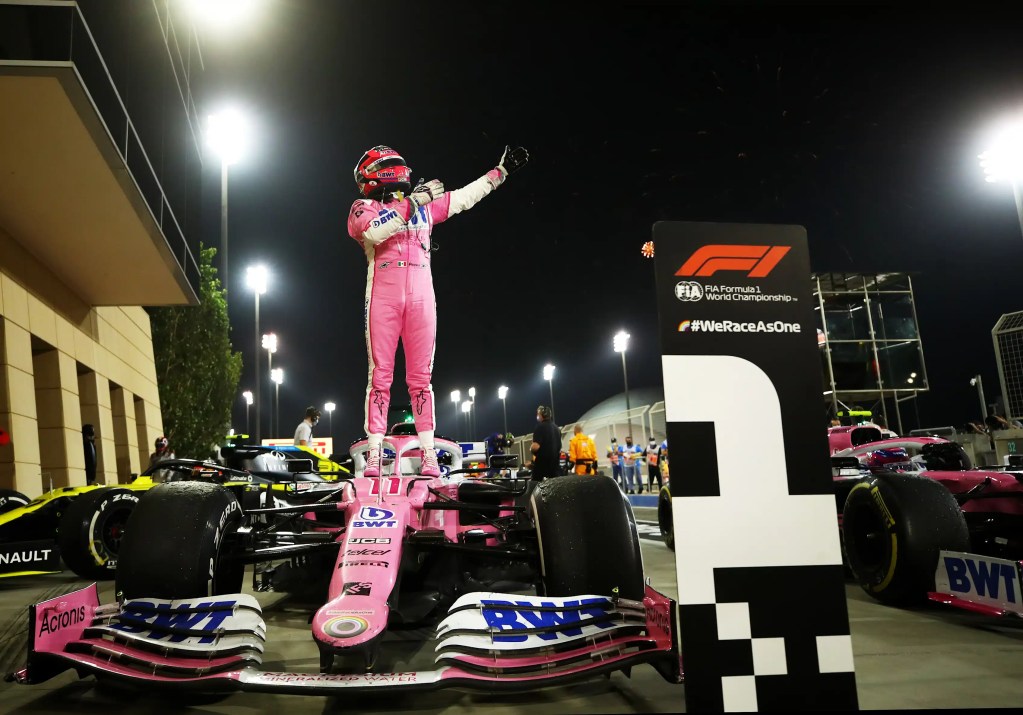
Sergio Perez's 2020 Sakhir Grand Prix victory—from last place to first after a lap-one collision—wasn't just dramatic racing. It demonstrated a capability that separates certain executives from the rest: the ability to extract performance from conditions where conventional analysis says none should exist. Drawing from F1's greatest tire managers (Perez, Button, Alonso), this article explores why executives from well-resourced environments often fail when constraints arrive, how to identify leaders calibrated for scarcity rather than abundance, and why resource efficiency can become competitive advantage. The executives who master this capability don't just survive constrained conditions—they turn constraints into competitive space others can't access.
January 18, 2026

When the Pit Wall Goes Silent: Executive Decision-Making Under Uncertainty

The moment of truth for executives isn't when everything is clear and the organization is aligned. It's when the support structures go quiet, the information is incomplete, and the leader has to choose anyway. Drawing from Ayrton Senna's legendary 1991 Brazilian Grand Prix—where he finished with only sixth gear working and was lifted bodily from his car—this article explores why standard interview processes fail to assess the capability that matters most: decision-making when the pit wall goes silent. Most organizations hire executives who excel at executing consensus decisions, then watch them freeze when the consensus doesn't exist. Here's how to identify leaders calibrated for the moments when talent alone isn't enough.
January 16, 2026

Why Top Tier Executives Fail at Scrappy Startups

The resume looked perfect. VP of Product at a company everyone recognizes. Eight years building teams at scale. Six months later, she's paralyzed. Decisions that should take hours take weeks. The scrappy team that moved fast before she arrived now waits for processes that don't exist. She wasn't the wrong hire—she was the wrong calibration for the conditions. Executives from large tech companies operate inside invisible infrastructure: dedicated recruiters, established processes, automated systems. When they join startups where that infrastructure doesn't exist, their instincts pull them toward rebuilding what they had rather than adapting to what the startup needs. Stop hiring for pedigree. Start diagnosing for conditions. The question isn't whether they're talented—it's whether their talent is tuned for the track you actually have.
January 14, 2026

Founder Second Act: Life After Stepping Back from CEO

What happens when the company you built no longer needs you at the controls? This guide examines how founders navigate the transition from CEO to their second act—drawing lessons from Formula 1 team owners who faced the same challenge. From Ron Dennis's cautionary tale at McLaren to Ross Brawn's masterful reinvention, discover the frameworks that separate founders who thrive after transition from those who struggle with irrelevance.
January 13, 2026

Series B: When Founder Instincts Become Bottlenecks

Three Series B founders in Guadalajara. Each built product-market fit through sheer force of will. Each hired seasoned operators to scale what they'd created. Each watched those hires fail within nine months. The hires weren't wrong. The timing was. Founders thrive in Founder Mode—direct control, immediate decisions, instincts calibrated for chaos they can touch. But Series B shifts the conditions entirely. The founder calibrated for tight corners suddenly enters high-speed straights, still braking for corners that no longer exist. The Founder's Paradox™ names this pattern: the fierce control that built the company becomes the ceiling that prevents it from scaling. The pit window opens at Series B. Not every founder needs to step out entirely—but ignoring the calibration mismatch guarantees a revolving door of C-suite hires who "just didn't work out."
January 12, 2026

Track Limits in Cross-Border Operations US vs. Mexico Cultural Boundaries

What if your VP Operations isn't failing because she lacks talent—but because the track limits disappeared at the border? US executives operate in documented boundary systems—RACI charts, explicit decision rights, formal authority transfers. Mexican business culture relies on relational architecture—trust-based authority, credibility built over time, decision rights that emerge through demonstrated judgment. When US companies expand south without translating their boundary systems, they create dangerous conditions: executives with formal authority but no relational foundation. The result is predictable—hesitation, stalled decisions, frustrated founders, and confused executives. Cross-border track limits require translation, not just documentation. Build hybrid boundary architecture by making invisible differences visible, investing in relational foundation-building, creating bridge protocols, and assigning cultural translators who've operated successfully in both environments.
January 9, 2026

The Driver Calibration: Why Executive Success Has Nothing to Do With Talent

Fernando Alonso never won another championship after leaving McLaren-Honda. Not because his talent changed—because he never found conditions that matched his calibration perfectly. The same pattern repeats in executive placement: brilliant leaders who thrived at one company struggle at the next. The resume looks identical. The talent is unchanged. But the fit disappeared. The Driver Calibration™ framework reveals why: executives aren't "good" or "bad"—they're calibrated for specific organizational conditions. Put them in conditions that match their Operating Horizon and they achieve flow state. Put them in mismatched conditions and they burn out or check out, regardless of credentials. Traditional hiring asks "Can this person do the job?" Calibration-informed hiring asks "Is this person calibrated for the conditions this role creates?" The difference isn't semantic—it's diagnostic. Understanding Operating Horizons, Complexity Bandwidth, and the Flow/Redline/Idle dynamic transforms how you evaluate executive talent. The talent is rarely the problem. The calibration match usually is.
January 6, 2026

U.S.-Mexico Nearshoring: When Freight Outpaces Leadership

Cross-border truck freight from Mexico to the U.S. is up 15% year over year. Shippers have learned to treat blockades, cargo theft, and tariff exposure as conditions to manage, not reasons to retreat. The logistics teams have graduated from firefighting to systems management. The leadership architecture hasn't made the same leap.
January 3, 2026

When Your Founder-CEO Becomes the Ceiling

Three COOs in four years. Each one arrived with impressive credentials. Each one failed. The board kept asking: why can't we find someone who works? I've seen this movie before. The problem wasn't the COOs. The problem was the founder who hired them—and then couldn't let them do their job. The fierce control that built the company had become the bottleneck preventing it from scaling. This is The Founder's Paradox—and it's playing out in boardrooms right now. The founder isn't failing. They've succeeded themselves into a constraint. Their speed becomes the organization's speed limit. Their bandwidth becomes the capacity ceiling. Pattern recognition across two decades: the signals are visible months before the breaking point.
January 2, 2026

Why Executive Onboarding Fails: The Conditions Problem

Most executive onboarding fails—not because the talent is wrong, but because the conditions are. Founders treat hiring like a transaction: find the candidate, sign the offer, move on. They skip the invisible work that determines success. Engineering the right conditions means defining the founder's new role, aligning stakeholders before the executive arrives, creating a clear mandate with measurable outcomes, and structuring the first 90 days deliberately. F1 teams don't just hire drivers—they build cars, systems, and decision structures around them. The same principle applies to leadership.
January 2, 2026

The Compound Change: When Your Best Executive Becomes Your Biggest Bottleneck

The executive who saved your Series A is struggling at Series C. Same work ethic, same talent, but declining results. The problem isn't performance—it's compound mismatch. Like F1 tire compounds optimized for specific track conditions, executives are calibrated for particular organizational stages. Your Series A hire was built for chaos, improvisation, and heroic individual contribution. Series C requires systems, predictability, and scaled leadership. The conditions changed dramatically. The compound didn't. This is the compound change—the painful but necessary recognition that the executives who built your company and the executives who will scale it are often not the same people. Before your next funding round, audit your leadership team the way a race engineer audits tire strategy. The talent is rarely the problem. The conditions usually are.
January 1, 2026

The Counter-Offer Trap Why Staying Never Fixes What Made You Leave

You've done the work. Months of quiet searching. Four rounds of interviews. You received an offer that validates everything you suspected: you're worth more than what you're being paid. Then your employer makes a counter-offer, and suddenly everything changes. The raise that wasn't in the budget materializes from nowhere. The promotion that "wasn't in the cards" appears overnight. Research shows that between 50% and 80% of people who accept counter-offers leave within six months anyway. The structural conditions that pushed you toward the door remain unchanged. More money doesn't fix a broken relationship with leadership. A better title doesn't repair a culture that doesn't value your contributions. The counter-offer isn't an investment in your future. It's a tactical response to an inconvenient situation.
December 29, 2025

When the Board Wants the Wrong Hire (And How to Navigate It)

The pattern repeats: founder wants scrappy, board wants pedigree, everyone compromises on someone in the middle. Eighteen months later, the hire is gone and everyone blames everyone else. Red Bull and Mercedes F1 just demonstrated what happens when ownership and operations pull in different directions. The fix isn't winning more arguments with your board. It's having better arguments earlier. Align on what you're solving for before the search begins. Define success concretely. Then find the person who fits that definition, regardless of whose preference they validate.
December 26, 2025

Reading Race Conditions in Private Equity: A Portfolio Leadership Playbook

The management team looked strong on paper. Eighteen months post-close, the value-creation plan stalled. The deal team had assessed the talent—nobody had diagnosed the conditions. This playbook applies the Race Conditions Model to private equity: five organizational conditions that predict whether leadership will succeed or fail under PE ownership. For deal teams during diligence and operating partners post-close, condition diagnosis transforms management assessment from credential review to structural reality. The talent is rarely the problem. The conditions usually are.
December 25, 2025

Executive Search 2026 US-Mexico Cross-Border Trends

The executive search market enters 2026 at an inflection point. While most firms focus on CEO churn and AI adoption, a structural shift in Mexico's labor landscape is creating asymmetric opportunity for advisors with cross-border expertise. Mexico's phased work week reduction from 48 to 40 hours—beginning May 2026—will reshape compensation models, productivity requirements, and leadership competencies across US-Mexico operations. Organizations need executives who can navigate both regulatory environments while building high-performance teams under resource constraints. Pattern recognition trained across decades reveals who will capture value: boutique specialists with deep domain expertise, cultural fluency, and advisory-led positioning.
December 24, 2025

The Founder Who Said They Were Ready (They Weren’t)

Three COOs in four years. Each one talented. Each one failed. The pattern wasn't in the candidates—it was in a founder who genuinely meant it when he said he was ready to step back, but couldn't yet do what he meant. This article reveals the five behavioral signals that distinguish founders who are actually ready to delegate from those who just think they are. Learn why intention without evidence guarantees failure, what questions to ask before any senior search, and how to diagnose founder phase before another executive's career becomes a casualty of unexamined conditions.
December 19, 2025

The Williams Tragedy: What Every Founder Can Learn from F1’s Saddest Succession Story

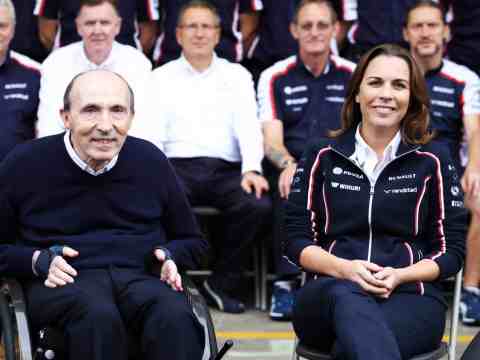
July 2021. Sir Frank Williams watched his team race for the last time under family ownership. After 43 years and nine Constructors' Championships, Williams Racing was being sold. This wasn't retirement—it was surrender. The team that had dominated F1 finished 2020 dead last with zero points. When Frank tried to pass the team to his daughter Claire, the transition nearly destroyed what he'd spent decades creating. This is one of racing's saddest stories—and one of business's most instructive. Frank Williams didn't fail to build a great team. He failed to create the conditions for succession to work. Five critical mistakes—confusing family relations with readiness, failing to transfer key relationships, and never building institutional governance—cost his family everything. Here's what every founder can learn from F1's greatest succession tragedy.
December 13, 2025

When to Hire Your 1st CPO: Constructor Championship Thinking

Here's the pattern I see with technical founders: they built the product, they own the vision, they make every major product decision. Then one day, they're managing three product lines, two customer segments, and five product managers—and they've become the bottleneck. In Formula 1, there are two championships running simultaneously. The Drivers' Championship crowns individual brilliance. The Constructors' Championship crowns the team that built the best system. Early-stage startups are driver championships—founder vision wins. But at scale, you need constructor championship thinking. The product system wins, not just the founder's instinct. Most founders miss this transition. They keep driving when they should be building the constructor. The signal isn't headcount or funding round—it's strategic timespan. When your product decisions shift from 3-month feedback loops to 3-year bets, you've crossed the threshold. That's when you need a Chief Product Officer.
December 12, 2025

Undercut or Overcut? Strategic Timing for Your First C-Suite Hire

Founders often miss the optimal 'pit window' for C-suite hires, hiring either too early (the premature undercut) or too late (the catastrophic overcut). Learn to read your company's track conditions using F1 strategy to determine exactly when to bring in your first CFO, CMO, or COO based on revenue milestones, not emergencies.
December 5, 2025

Formation Lap Lessons: The Critical 90 Days of Executive Onboarding

Before the green flag drops in Formula 1, drivers complete a formation lap that's anything but ceremonial. They're warming tires, testing grip, assessing conditions, and gathering intelligence that will determine race strategy. Your new executive's first 90 days serve the same purpose—yet most companies treat onboarding like a parade lap rather than a strategic preparation phase. Here's how to fix that.
December 1, 2025

Rain Masters: Finding Executives Who Excel in Uncertainty

In Formula 1, rain separates the champions from the field. The same holds true in business—when volatility strikes, rain master executives pull away from the competition. Learn how to identify and recruit leaders who thrive in uncertainty, drawing lessons from Senna, Hamilton, and the greatest wet-weather drivers. A guide to VUCA leadership and executive search.
October 31, 2025

Why Every COO Search is Actually a Founder Diagnosis

COO searches fail more than any other C-suite hire, not because of the candidates, but because they expose founder phase issues that nobody diagnosed before the search began. When founders struggle to hire a COO, the search itself becomes a diagnostic tool, revealing ambivalence about delegation, unclear role definitions, and organizational conditions that would cause any hire to fail. Before evaluating candidates, evaluate the conditions. Every COO search is actually a founder diagnosis.
October 5, 2025

From Verstappen to Pérez: The Second in Command Problem

Sergio Pérez won five races for Red Bull but was still let go. His replacement lasted two races. The problem wasn't the drivers—it was the impossibility of being Number Two to Max Verstappen. Every CEO faces this same challenge with COOs and Presidents. Here's how to structure second-in-command roles that actually work.
October 2, 2025

Why Your Best People Fight the Changes That Would Save Them

In 2016, Lewis Hamilton called the Halo "the worst-looking change in Formula 1 history." Four years later, when Romain Grosjean walked away from an 850-degree fireball at Bahrain, Hamilton said: "Thank you FIA for ignoring us." The pattern is striking—and it repeats far beyond motorsport. The people closest to a problem are often the loudest opponents of its solution. Not because they're wrong, but because they've built their identity around navigating the risk. I see this in founder transitions, family business successions, and boardrooms resisting structural change. The resistance isn't ignorance. It's grief dressed up as strategy. The question isn't how to win the argument. It's how to create conditions where reality makes the case for you.
September 16, 2025

Why Startup Founders Should Hire Like Red Bull’s Junior Academy (Not Like Mercedes)

Max Verstappen won his first Formula 1 race at 18 years and 228 days old. Most VCs wouldn't fund an 18-year-old. Most boards wouldn't approve hiring a teenager for a C-suite role. But Red Bull Racing did exactly that—and built a four-time world champion. Mercedes hired Lewis Hamilton (already a world champion), kept Valtteri Bottas (proven race winner), and promoted George Russell (after winning GP3 and Formula 2 championships). Two approaches. Both successful. But only one works for startups. For startup founders building teams in Guadalajara, Mexico City, San Francisco, Austin or Houston, the choice is simple: You can't afford Mercedes' strategy. You need Red Bull's playbook.
September 10, 2025

Beyond the Echo Chamber: How to Build a Board That Challenges You

Most founders build a comfortable "book club" board—an echo chamber that harms the company. The real goal isn't comfort; it's "Strategic Friction." This playbook outlines how to architect a board with the right archetypes—The Operator, The Market Oracle, and The Governance Guru—to forge a true competitive advantage and accelerate growth.
August 22, 2025

Founder Mode vs. Operator Mode: Why Series B Is the Breaking Point

Paul Graham's "Founder Mode" essay went viral, but it frames the wrong question. The choice isn't founder mode versus operator mode. It's knowing when to shift between them. For most startups, that shift happens at Series B, where 35% of companies fail. Drawing lessons from Mercedes F1's 2022 transformation and McLaren's decade-long turnaround under Zak Brown, this article explores why Series B is the breaking point and how founders can build leadership teams that scale without losing their vision.
July 15, 2025

Why CEOs Meet Their Best Hires Too Late (And How to Fix It)

Red Bull Racing doesn't let pit crew mechanics decide which drivers to sign. Mercedes doesn't let the catering team screen candidates for Lewis Hamilton's replacement. Yet most CEOs let HR departments—people who've never run a P&L, managed a board, or navigated a company through crisis—eliminate candidates for their next CFO, COO, or VP of Operations before the CEO ever meets them. Here's the uncomfortable truth: By the time you meet executive candidates, the best ones are already gone. Not because they weren't qualified. Not because they weren't interested. But because someone three levels below you—using a resume screening checklist built for hiring customer service reps—decided they "weren't a fit."
May 22, 2025

Why Your Series A Hire Failed at Series C (And How to Avoid It)

The VP who crushed it at Series A is drowning at Series C. Most founders blame the executive for "hitting their ceiling." But the pattern I've seen across 20+ years tells a different story. Like Red Bull F1's habit of promoting drivers too early, the problem isn't talent. Gasly won at Monza after being demoted. Sainz became a Ferrari race winner after Red Bull passed him over. The same talent at the right level succeeds. This article breaks down why stage mismatch happens, the warning signs you're missing, and how to hire executives who scale with your company.
January 15, 2025

The Constructor’s Championship Playbook: Building Manufacturing Teams That Win Long-Term

McLaren spent 26 years rebuilding to win the 2024 Constructors' Championship. Manufacturing companies face the same challenge: building leadership teams that sustain excellence over decades, not quarters. What F1 constructor strategies teach manufacturing recruiters about building depth, not just hiring stars.
January 8, 2025

The DRS Zone: When External Executives Overtake Internal Promotions

Choosing between external hires and internal promotions isn’t about convenience — it’s about strategic activation zones where an external executive can “overtake” internal talent, just like Formula 1’s DRS system. The DRS Zone Framework identifies specific scenarios where external expertise delivers disproportionate impact: scaling beyond current experience, entering new markets, closing technical gaps, breaking founder bottlenecks, or resetting a broken function. Conversely, internal promotion wins when culture preservation, institutional knowledge, team trust, or runway constraints matter most. The framework helps founders assess the real capability gaps — not political shortcuts — and make hiring decisions that preserve trust, accelerate growth, and align with long-term strategy.
January 5, 2025

Testing Track Limits: Push Executives Without Breaking Them

Are you testing your executive team's limits, or destroying their confidence with unclear boundaries? After twenty years placing executives, I've seen the same pattern: talented leaders hesitate not because they lack capability, but because they don't know where the edges are. Clear boundaries don't restrict performance—they enable it. Learn why executives perform better when track limits are visible, the three failure modes that destroy trust, and the flag system that transforms hesitation into confident execution. The fastest path to peak performance isn't more pressure. It's clearer lines.
April 9, 2024

Headhunters in Mexico: How to Find Executive Talent That Actually Delivers

In Formula 1, talent scouts don't wait for drivers to win championships before signing them. Red Bull spotted Max Verstappen at 16. Mercedes identified George Russell in karting. The best teams find talent before the market does. Executive search in Mexico works the same way. 73% of Mexican companies report difficulty filling key leadership positions—and that number jumps to 80% in manufacturing and automotive, 77% in IT, and 76% in finance. Translation: If you're waiting for the "perfect CFO with 15 years at a Fortune 500 company" to apply on LinkedIn, you'll be waiting a long time. The best executives aren't posting resumes. They're running companies in Monterrey, building fintechs in Mexico City, or scaling operations in Guadalajara—and they're not looking to leave. That's where headhunters in Mexico come in.
January 23, 2024

Understanding the Role of a Non-Executive Director

Unveiling the critical role of Non-Executive Directors in modern corporate governance, this article delves into how their diverse backgrounds and the strategic selection process, particularly through search firms like Alder Koten, enhance boardroom dynamics and decision-making.
July 1, 2023

F1’s High-Octane Lessons for Leadership

In a world where milliseconds make the difference between first and second place, Formula 1 (F1) presents a unique template for business leadership. Much like the high-octane sport, the race to corporate success demands innovation, robust teamwork, calculated risks, resilience in the face of failure, and unyielding persistence.
June 30, 2023

From Salsa to Silicon: How Tech Executive Search is Heating Up Across Borders

What's hotter than the salsa that'll set your mouth ablaze at a lively cantina in Guadalajara? The answer: the tech executive search scene, heating up across borders. From the palm-fringed beaches of Cancun to the hi-tech hubs of Silicon Valley, the search for top-tier tech talent is transcending borders like never before. The playing field is no longer contained within national boundaries. Technology has rendered geography virtually irrelevant. It's a brave new world where the most substantial barrier isn't the Rio Grande but the limitations we set on our own thinking.
June 28, 2023

15 Tips on how to negotiate a salary

Are you about to start a new job? Or are you considering asking for a raise in your current position? Negotiating a salary can be a daunting task, but it is an essential one if you want to get the best compensation for your skills. In this article, we'll share 15 tips on how to negotiate your salary successfully.
March 27, 2023

The Vital Role of Succession Planning and Talent Pipeline Development in Mexican Companies: How Executive Search Consultants Can Help

In today's fast-paced business environment, Mexican companies must remain agile and competitive to thrive. One crucial aspect of long-term success is ensuring a smooth transition of leadership roles and the continuous development of a strong talent pipeline. In this article, we will discuss the importance of succession planning and talent pipeline development for Mexican organizations and explore how executive search consultants can play a pivotal role in supporting these efforts.
March 23, 2023

The AI Revolution in Executive Search

The role of Executive Search Consultants has been a vital component in the success of organizations worldwide. They are responsible for identifying and engaging top talent to lead companies into the future. As industries evolve and the need for skilled leaders becomes more pressing, the challenges faced by Executive Search Consultants have increased. Artificial intelligence (AI) is poised to revolutionize the executive search process, enabling consultants to work more efficiently and effectively. This article examines the ways AI will help Executive Search Consultants enhance their work and improve outcomes for their clients.
March 5, 2023

The Chief Product Officer: The F1 Team Principal of the Product Org.

Just like an F1 team principal directs the race, a Chief Product Officer directs the product strategy. They are critical to ensuring a product's success, aligning teams, and navigating the market dynamics, ensuring the corporate machine is positioned for victory.
February 15, 2023

The Talent Algorithm: The Dawn of a New Executive Search

Charlie Solorzano, inspired by the strategy of F1, is leveraging data analytics to transform the executive search industry. He underscores the importance of the human element, reminding us that an effective leader is more than a collection of skills, experiences or an algorithm's prediction.
February 8, 2023

The CHRO: The Unseen Hand that Rocks the Corporate Cradle

The CHRO, once an unseen hand in corporate operations, now holds sway from the break room to the boardroom. Their role in shaping culture and strategy is indispensable, and finding the right CHRO can mean the difference between a company that thrives and one that merely survives.
January 6, 2023

Product Excellence Unleashed: The Role of CPOs in Driving Business Growth

Drawing parallels between the high-stakes world of Formula 1 racing and the corporate sphere, this article explores how CPOs drive business growth. It discusses the urgency, tactics, and innovative mindset required to achieve product excellence, steer clear of pitfalls, and ultimately cross the finish line of success.
January 3, 2023

11 Key Takeaways from F1 for Startup Leaders

Success in the startup world requires agility, innovation, and resilience. This article lists 11 key takeaways from the world of Formula 1 that can help stimulate these qualities within startups. Charlie Solorzano applies these lessons to identify leaders who can navigate the startup race to victory.
December 27, 2022

Executive Recruiting: What is Executive Search?

Executive search, also known as headhunting, is the process of identifying and recruiting high-level executives to fill leadership positions within an organization. These positions typically include top-level executives such as CEOs, CFOs, CTOs, CPOs, and presidents, as well as other executive roles such as vice presidents, directors, and managers.
December 26, 2022

Why Do Companies need a Chief Product Officer?

A Chief Product Officer (CPO) is a senior executive responsible for overseeing the development and management of a company's products. In a tech company, the CPO plays a crucial role in defining the direction of the company and ensuring that its products are meeting the needs of its customers
March 20, 2022

The Championship Mindset: Why Winning Leaders Obsess Over Losses (And What That Means for Your Next Hire)

Winning leaders don’t celebrate victories—they interrogate them. Drawing on Toto Wolff’s F1 playbook, this article breaks down the psychology of elite executives, why they obsess over the humiliation of losing, and how that obsession should reshape how boards hire transformative C-suite talent.
January 13, 2021

Choosing Alder Koten: Your Premier Technology Executive Search Firm in Mexico and the USA

Alder Koten emerges as a beacon of proficiency and expertise in the technology executive search landscape, especially in Mexico and the USA. Discover their unique approach and why they are your go-to firm for technology leadership recruitment.
March 16, 2020

¡Trabajemos remoto! Pero primero, lee esto

Trabajar de manera remota no se trata de ser un “techie” o ser un experto en tecnologías y plataformas. Se trata más de ser efectivo como equipo cuando no estamos en el mismo edificio. Se trata de lograr una comunicación y coordinación eficiente sin estar enfrente de los demás. Y lo mas importante, se trata acerca de tener claridad de las expectativas y responsabilidades para que cada quién esté en posición de tomar decisiones y juicios de manera independiente.
March 16, 2020

Let’s work remotely! But First, Read This

If you're still reeling from a whirlwind week, you're not alone. Last week started like most normal weeks until most mass events began to cancel, and we all raced to find the last available toilet paper roll at Costco. So here we are. Let's work remotely! The technology is there. Many of us have interacted remotely for many years. So are we ready? Now, what do we do? Here are some key things to take into consideration to help lead your remote teams.
What topics does Charlie Solorzano write about?

Charlie writes on executive search, C-suite leadership, succession planning, board governance, and U.S.–Mexico cross-border leadership — drawing on frameworks like the Race Conditions Model™ to analyze real leadership transitions.

Who is Charlie Solorzano?

Charlie Solorzano is a Managing Partner at Alder Koten, a boutique executive search firm specializing in C-suite and board placements across U.S. and Mexico markets.

How often are new articles published?

New articles are published regularly, covering current leadership and executive search topics as they develop across the industries Charlie's practice serves.

Are these articles based on real search engagements?

The articles draw on patterns Charlie has observed across many executive search engagements. Specific client details are never disclosed; the analysis reflects general patterns rather than individual case studies unless a case is public information.

Can I get executive search advice directly from Charlie?

Yes. Readers can schedule a confidential consultation to discuss a specific search, leadership transition, or organizational question.