
Why Startup Founders Should Hire Like Red Bull’s Junior Academy (Not Like Mercedes)
September 16, 2025
From Verstappen to Pérez: The Second in Command Problem
October 5, 2025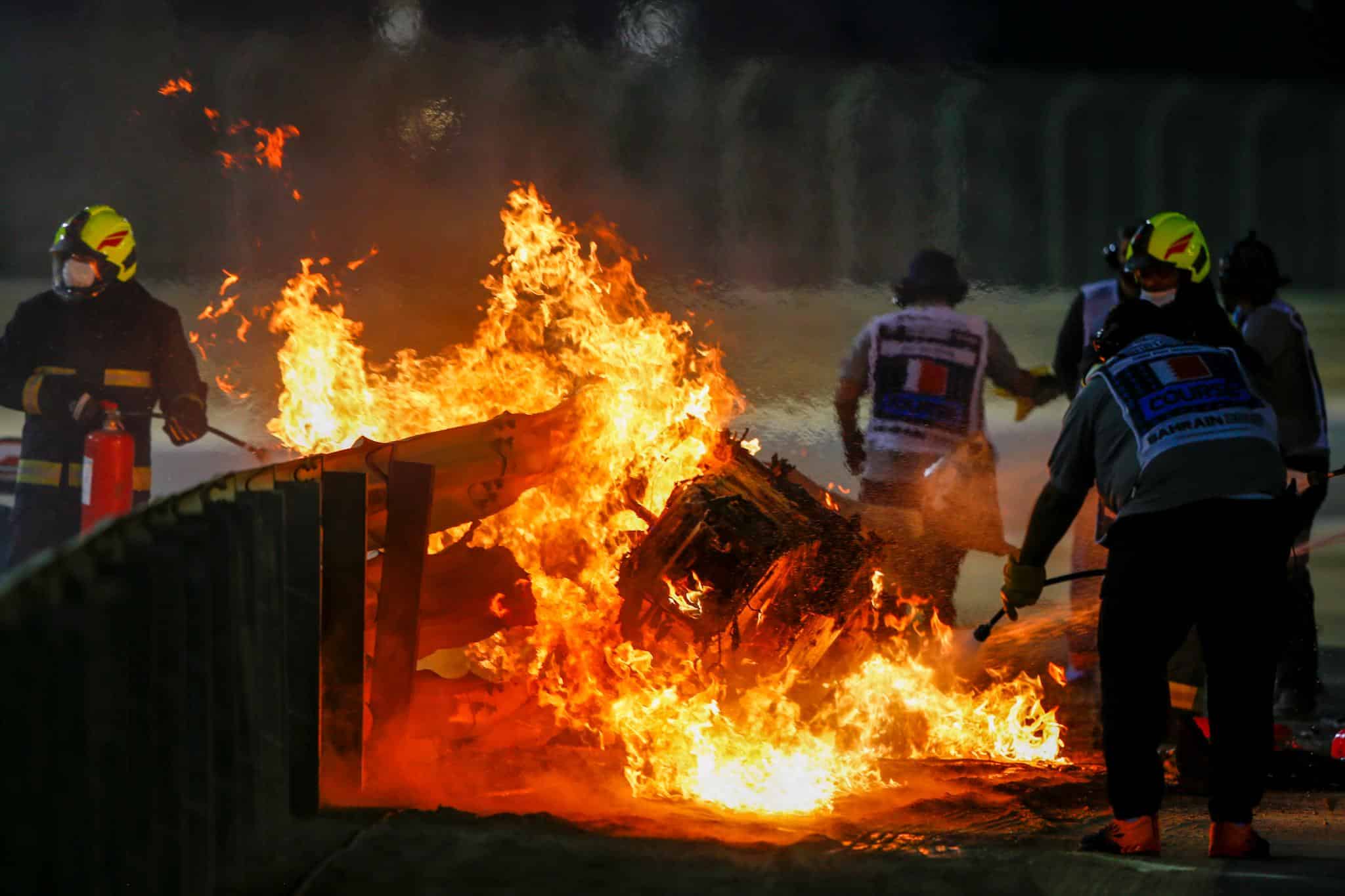
Why Your Best People Fight the Changes That Would Save Them
The Halo pattern: How resistance to necessary change follows predictable lines—and what happens when reality forces the recalibration.
In 2016, Lewis Hamilton called it "the worst-looking change in Formula 1 history."
Sebastian Vettel said if drivers wanted to be safe, they shouldn't race at all.
Max Verstappen wanted to keep "the risk and beauty of F1" intact.
86% of fans opposed it.
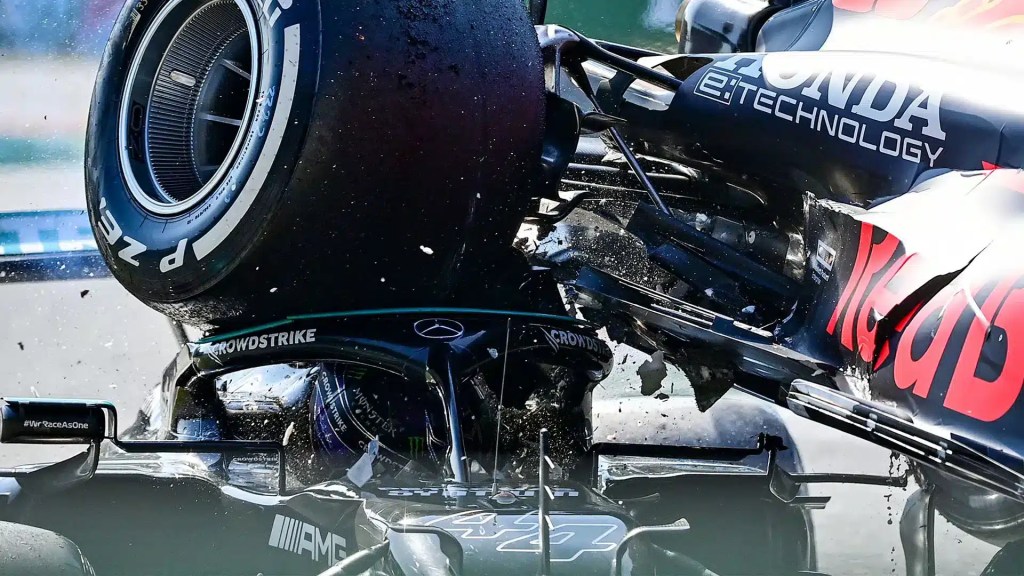
The it was the Halo—a titanium structure designed to protect drivers' heads from catastrophic impacts. It weighed seven kilograms. It could withstand the weight of two London buses. And almost everyone who mattered hated it.
I've been watching this sport since the mid-1980s. But lately I find myself thinking about the Halo less as a piece of safety equipment and more as a case study in how organizations—and the people who lead them—resist the very changes that would protect them.
The Pattern Behind the Resistance
Here's what I keep seeing:
The people closest to a problem are often the loudest opponents of its solution.
Not because they're wrong about the problem. They understand it better than anyone. But they've built their identity around navigating it. The risk has become part of how they define mastery.
Hamilton didn't oppose the Halo because he wanted to die. He opposed it because open-cockpit racing was the thing he'd devoted his life to. The vulnerability wasn't a bug—it was a feature. It separated the committed from the casual. Asking him to accept a titanium ring around his head was asking him to admit that the craft he'd mastered was, in some fundamental way, broken.
That's not ignorance. That's grief dressed up as resistance.
I've seen this movie before. In boardrooms. In founder transitions. In family businesses, facing generational handoffs.
The pattern is remarkably consistent: the more someone has invested in the current way of doing things, the harder they'll fight to preserve it—even when the data says it's killing them.
Why Smart People Miss It
The FIA knew the open cockpit was a vulnerability. They'd studied the statistics: 70% of fatal or serious injuries in open-wheel racing involved head impacts. They'd watched Senna die at Imola. Ratzenberger three days before him. Henry Surtees. Jules Bianchi.
So they engineered a solution. Tested it against F1 wheels launched at 225 km/h, and tested it with 12 tons of weight pressing down. The Halo survived everything.
Except public opinion.
The arguments against it were sophisticated. Aesthetics—"It destroys 70 years of iconic design." Philosophy—"drivers must accept the inherent risk." Visibility: "the central bar blocks sightlines." Weight distribution. Evacuation speed in case of fire.
These weren't stupid objections. They came from people who understood the sport intimately. Engineers. Designers. The drivers themselves.
But here's what they missed: they were optimizing for the system they knew, not the system they needed.
This is the trap. Expertise creates tunnel vision. You become so skilled at navigating existing constraints that you start to see those constraints as features rather than limitations. The risk becomes romanticized. The workaround becomes the way.
And when someone proposes a structural change, it feels like an attack on your competence rather than an upgrade to the system.
What Usually Breaks
Charlie Whiting was the FIA's race director when the resistance was loudest. Drivers, designers, fans, pundits—all aligned against the Halo.
His response: "They will save lives. I don't care if it's ugly. When we save the first life, everyone will shut up."
He didn't argue aesthetics. He didn't try to win the debate on their terms. He just waited for reality to make his case.
The Halo was implemented in 2018. The first year passed without a significant incident. Critics said, "See? We didn't need it."
Then came Bahrain.
November 29, 2020. Romain Grosjean touches wheels at 221 km/h, loses control, and hits the steel barrier at an oblique angle. The car splits in two. The fuel ignites. An 850-degree fireball engulfs the cockpit.
He's trapped for 28 seconds. The foot is stuck in the broken pedals. The seatbelt won't release. Flames everywhere.
The Halo absorbed 25 tons of force—25 times its own weight—and deformed exactly seven centimeters. Three centimeters short of failure.
Grosjean climbed out. Burned hands. Suit on fire. Alive.
The FIA's investigation was unambiguous: without the Halo, the barrier would have killed him instantly. Survival probability without the device: zero.
The Recalibration
The next day, from his hospital bed, Grosjean said: "A few years ago, I wasn't in favor of the Halo. I think it's the greatest thing brought to Formula 1."
Hamilton, who'd called it the worst-looking change in history: "I take back everything I said. Thank you, FIA, for ignoring us."
Verstappen: "I was completely wrong. I'm sorry I was so critical."
The same people who resisted the loudest became the strongest advocates. Not because they were insincere before—but because they couldn't see past their expertise until reality forced the recalibration.
This is what I find most interesting about the pattern.
Resistance isn't always a signal that something is wrong with the change. Sometimes it's a signal that the change is necessary—and that the people resisting it are exactly the ones who need it most.
The Quiet Takeaway
I think about this when I see founders struggle with the idea of bringing in external leadership.
The founder who built the company from nothing is often the loudest voice against professionalizing the executive team. Not because they don't see the problems, they see them more clearly than anyone. But they've built their identity around navigating those problems. The workarounds have become the system. The chaos has become the culture.
Asking them to accept a COO or a CFO with real authority feels like being asked to admit that what they built wasn't good enough. That's not a strategic objection. That's grief. It's the core tension I explore in The Founder's Paradox™—the moment when the skills that built the company become the limitations that constrain it.
Same pattern with family businesses facing generational transitions. The patriarch who resists succession planning isn't blind to his own mortality. He's just unable to separate his identity from the institution he created. The business is him. Any structural change feels like an existential threat.
I wrote recently about Williams Racing's succession failure—a family that held on too long and watched their legacy slip away. The parallels to what I see in family businesses across the U.S. and Mexico are striking. The resistance looks different in each case, but the underlying pattern is the same.
And here's the thing: they're not wrong to feel that way. The change will alter something fundamental about how the organization operates. The question is whether that alteration is survival or collapse.
Charlie Whiting understood this. He didn't try to make the Halo pretty. He didn't try to convince the drivers that it would feel better. He just knew that the alternative of waiting for someone to die before acting was unacceptable.
He died in March 2019, nine months before Bahrain. He never saw Grosjean walk away from the fire.
But he was right.
And Then It’s Just There
The Halo is no longer controversial. It's just part of the car. Nobody talks about how ugly it is anymore.
Since 2018, it has prevented an estimated three to five inevitable deaths and dozens of serious injuries. The same drivers who fought against it now defend it instinctively.
The pattern suggests something worth remembering:
When your best people resist a structural change, it doesn't always mean the change is wrong. Sometimes it means they've invested so much in the current system that they can't imagine life without it.
Your job isn't to convince them through argument. It's to create the conditions where reality can make the case for you.
And sometimes—if you're lucky—they'll walk away from the fire and thank you for ignoring them.
Navigating Leadership Change That Your Best People Resist?
Twenty years of helping founders, family businesses, and boards navigate the transitions that feel impossible—until they're inevitable. Pattern recognition that sees resistance for what it really is.
Let's TalkFrequently Asked Questions
Smart leaders often resist change because they've built their identity around navigating the current system's challenges. Their expertise becomes a form of tunnel vision—they see existing constraints as features rather than limitations. The resistance isn't ignorance; it's a deep investment in the way things work, which makes structural change feel like an attack on their competence rather than an upgrade to the system.
The most effective approach is often not to argue but to create conditions where reality makes the case for you. Charlie Whiting, F1's race director, didn't try to convince drivers the Halo looked good—he simply said "when we save the first life, everyone will shut up." Focus on building undeniable proof points rather than winning debates, and be patient enough to let results speak louder than resistance.
The Founder's Paradox describes the moment when the skills that built a company become the limitations that constrain it. Founders resist bringing in external leadership because accepting help feels like admitting what they built wasn't good enough. This isn't a strategic objection—it's grief dressed up as resistance, and navigating it requires understanding the emotional weight behind the opposition.
Family business owners often struggle with succession because they cannot separate their identity from the institution they created. The business isn't just an asset—it's an extension of who they are. Any structural change, including preparing the next generation to lead, feels like an existential threat rather than a natural evolution. This emotional resistance often delays planning until crisis forces action.
The Halo's journey from "worst-looking change in F1 history" to life-saving standard equipment reveals a universal pattern: those who resist change most loudly often become its strongest advocates once reality proves them wrong. The lesson for change management is that resistance from experts doesn't mean the change is wrong—sometimes it signals the change is necessary, and those resisting need it most.