October 31, 2025
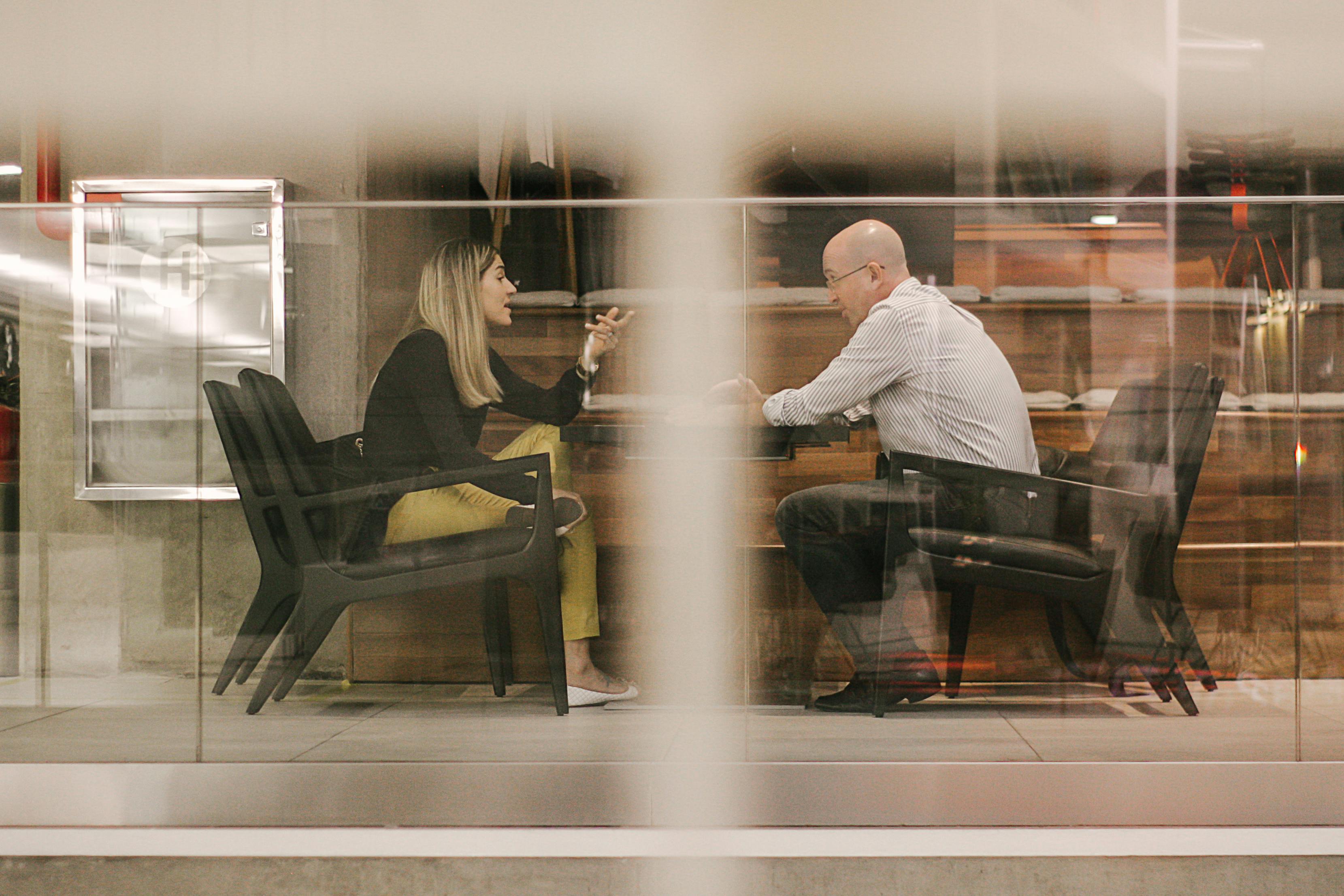
F1 team principal collaborating with pit wall crew contrasted with founder facing empty COO chair representing leadership diagnostic

Why Every COO Search is Actually a Founder Diagnosis

COO searches fail more than any other C-suite hire, not because of the candidates, but because they expose founder phase issues that nobody diagnosed before the search began. When founders struggle to hire a COO, the search itself becomes a diagnostic tool, revealing ambivalence about delegation, unclear role definitions, and organizational conditions that would cause any hire to fail. Before evaluating candidates, evaluate the conditions. Every COO search is actually a founder diagnosis.
December 12, 2025
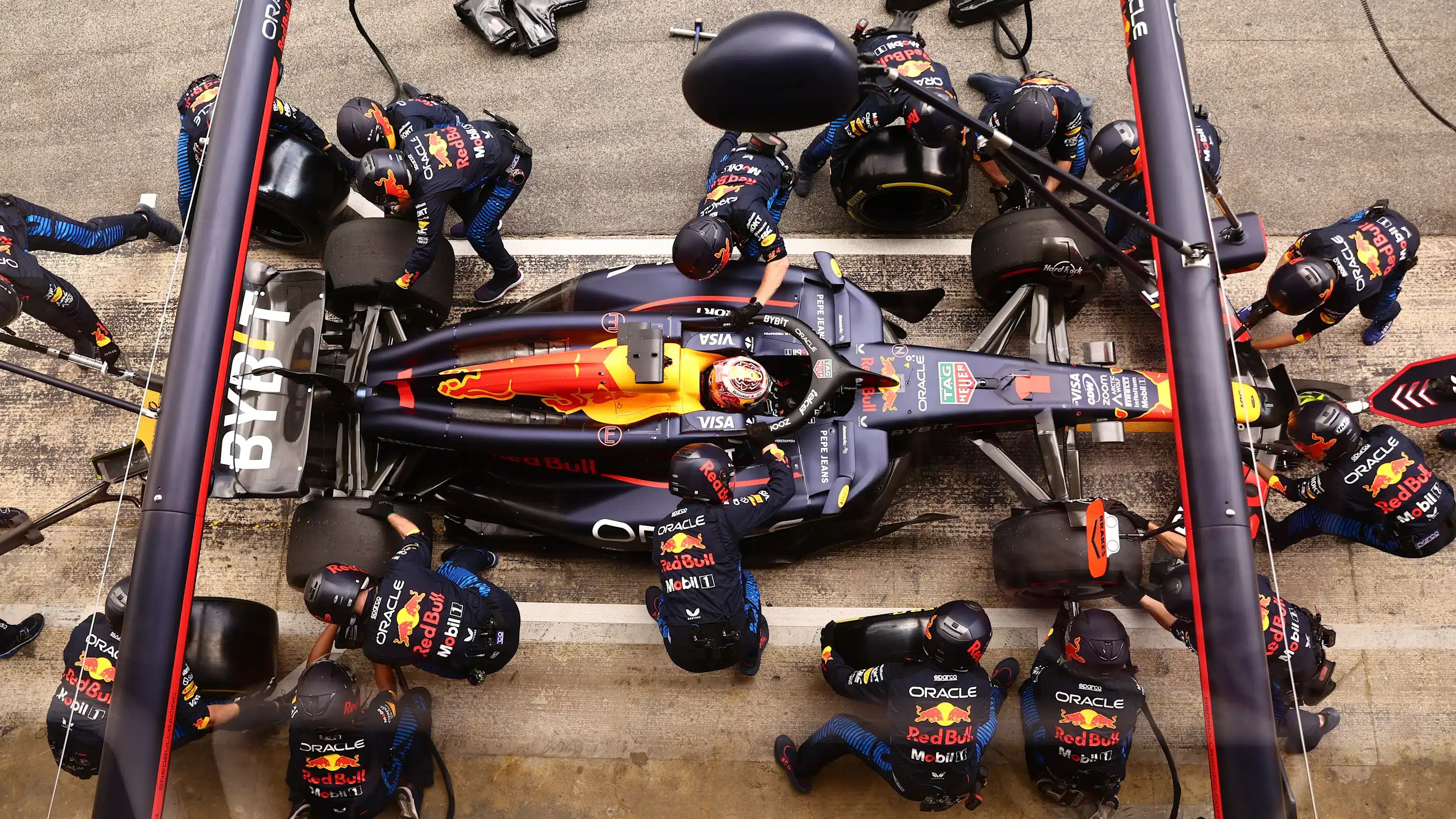
Formula 1 Red Bull Racing pit crew performing precise tire change demonstrating strategic timing for executive hiring decisions

Undercut or Overcut? Strategic Timing for Your First C-Suite Hire

Founders often miss the optimal 'pit window' for C-suite hires, hiring either too early (the premature undercut) or too late (the catastrophic overcut). Learn to read your company's track conditions using F1 strategy to determine exactly when to bring in your first CFO, CMO, or COO based on revenue milestones, not emergencies.
December 13, 2025
F1 Constructor and Driver Championships representing when to hire Chief Product Officer for systems thinking

When to Hire Your 1st CPO: Constructor Championship Thinking

Here's the pattern I see with technical founders: they built the product, they own the vision, they make every major product decision. Then one day, they're managing three product lines, two customer segments, and five product managers—and they've become the bottleneck. In Formula 1, there are two championships running simultaneously. The Drivers' Championship crowns individual brilliance. The Constructors' Championship crowns the team that built the best system. Early-stage startups are driver championships—founder vision wins. But at scale, you need constructor championship thinking. The product system wins, not just the founder's instinct. Most founders miss this transition. They keep driving when they should be building the constructor. The signal isn't headcount or funding round—it's strategic timespan. When your product decisions shift from 3-month feedback loops to 3-year bets, you've crossed the threshold. That's when you need a Chief Product Officer.
December 24, 2025
Founder at whiteboard unable to fully hand off to executive seated at conference table representing delegation readiness gap

The Founder Who Said They Were Ready (They Weren’t)

Three COOs in four years. Each one talented. Each one failed. The pattern wasn't in the candidates—it was in a founder who genuinely meant it when he said he was ready to step back, but couldn't yet do what he meant. This article reveals the five behavioral signals that distinguish founders who are actually ready to delegate from those who just think they are. Learn why intention without evidence guarantees failure, what questions to ask before any senior search, and how to diagnose founder phase before another executive's career becomes a casualty of unexamined conditions.
December 29, 2025
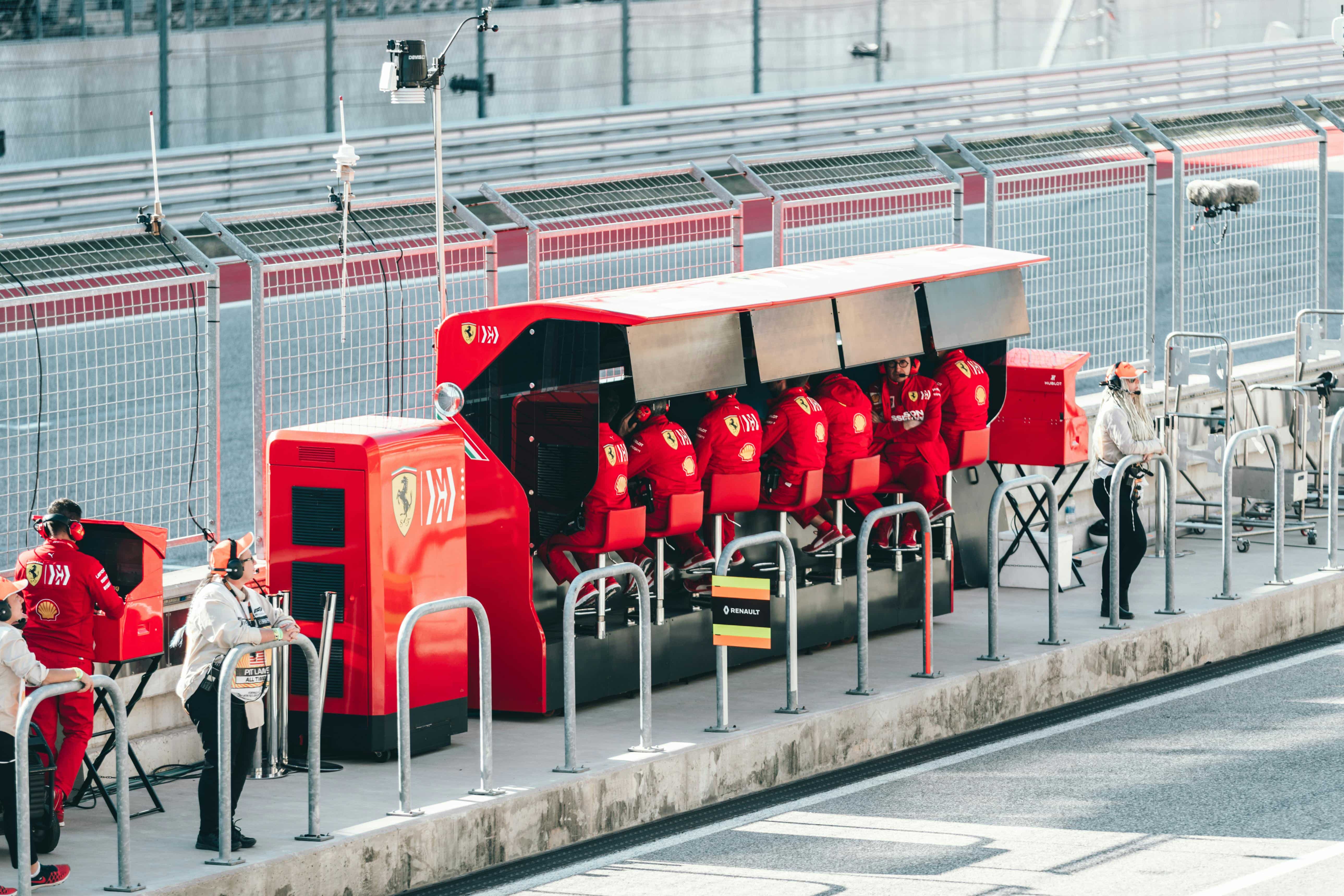
F1 pit wall with team leadership analyzing different data representing board and founder seeing same situation differently

When the Board Wants the Wrong Hire (And How to Navigate It)

The pattern repeats: founder wants scrappy, board wants pedigree, everyone compromises on someone in the middle. Eighteen months later, the hire is gone and everyone blames everyone else. Red Bull and Mercedes F1 just demonstrated what happens when ownership and operations pull in different directions. The fix isn't winning more arguments with your board. It's having better arguments earlier. Align on what you're solving for before the search begins. Define success concretely. Then find the person who fits that definition, regardless of whose preference they validate.
January 3, 2026
Founder-CEO reaching organizational ceiling preventing company scaling and growth

When Your Founder-CEO Becomes the Ceiling

Three COOs in four years. Each one arrived with impressive credentials. Each one failed. The board kept asking: why can't we find someone who works? I've seen this movie before. The problem wasn't the COOs. The problem was the founder who hired them—and then couldn't let them do their job. The fierce control that built the company had become the bottleneck preventing it from scaling. This is The Founder's Paradox—and it's playing out in boardrooms right now. The founder isn't failing. They've succeeded themselves into a constraint. Their speed becomes the organization's speed limit. Their bandwidth becomes the capacity ceiling. Pattern recognition across two decades: the signals are visible months before the breaking point.
January 13, 2026
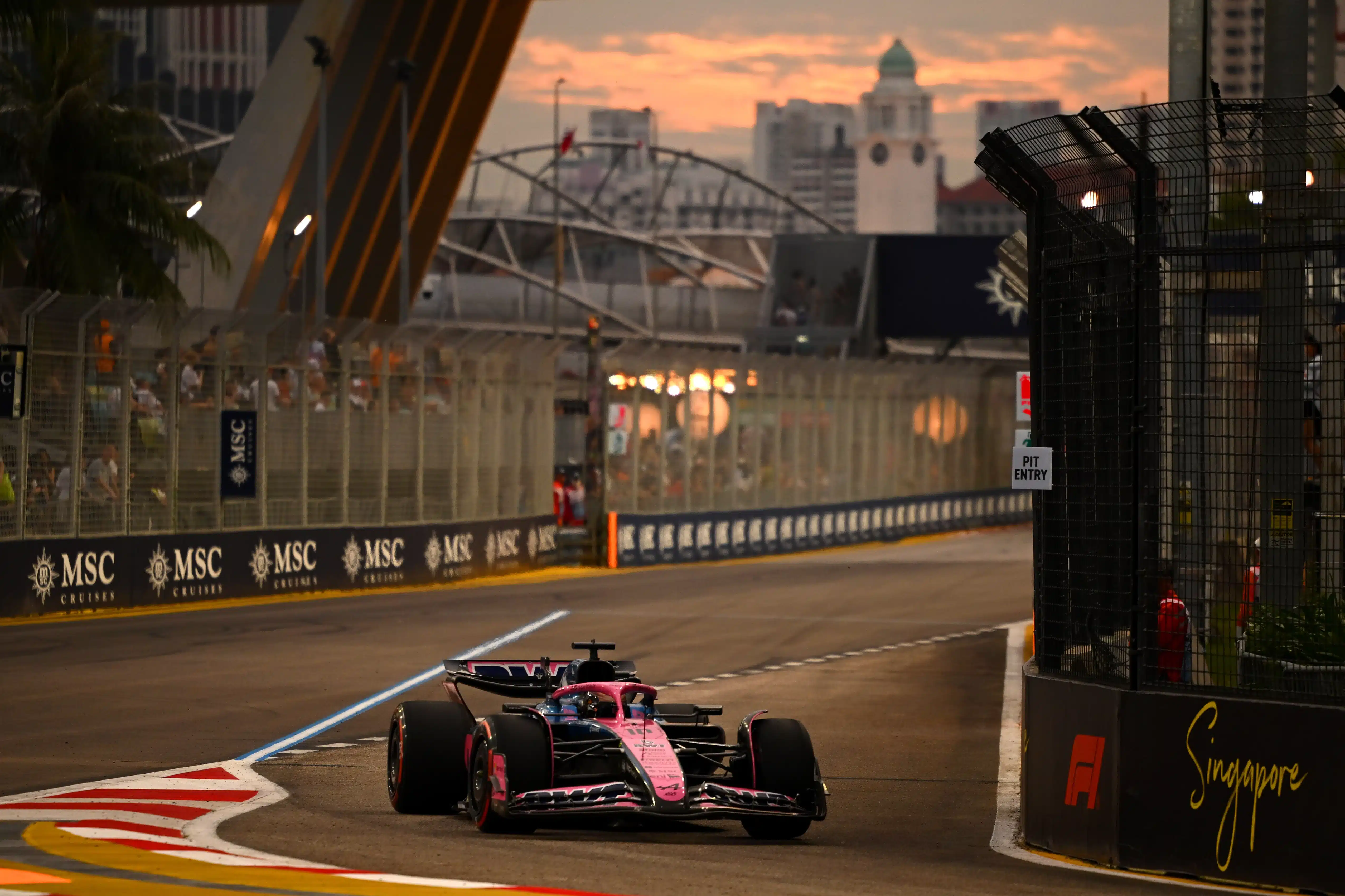
F1 pit stop transition moment representing the shift from founder mode to operator mode at Series B

Series B: When Founder Instincts Become Bottlenecks

Three Series B founders in Guadalajara. Each built product-market fit through sheer force of will. Each hired seasoned operators to scale what they'd created. Each watched those hires fail within nine months. The hires weren't wrong. The timing was. Founders thrive in Founder Mode—direct control, immediate decisions, instincts calibrated for chaos they can touch. But Series B shifts the conditions entirely. The founder calibrated for tight corners suddenly enters high-speed straights, still braking for corners that no longer exist. The Founder's Paradox™ names this pattern: the fierce control that built the company becomes the ceiling that prevents it from scaling. The pit window opens at Series B. Not every founder needs to step out entirely—but ignoring the calibration mismatch guarantees a revolving door of C-suite hires who "just didn't work out."
January 14, 2026
Founder contemplating next chapter while overlooking city skyline at dawn

Founder Second Act: Life After Stepping Back from CEO

What happens when the company you built no longer needs you at the controls? This guide examines how founders navigate the transition from CEO to their second act—drawing lessons from Formula 1 team owners who faced the same challenge. From Ron Dennis's cautionary tale at McLaren to Ross Brawn's masterful reinvention, discover the frameworks that separate founders who thrive after transition from those who struggle with irrelevance.
January 16, 2026
Race driver adapting to different car conditions, representing executive calibration mismatch between big tech and startup environments

Why Top Tier Executives Fail at Scrappy Startups

The resume looked perfect. VP of Product at a company everyone recognizes. Eight years building teams at scale. Six months later, she's paralyzed. Decisions that should take hours take weeks. The scrappy team that moved fast before she arrived now waits for processes that don't exist. She wasn't the wrong hire—she was the wrong calibration for the conditions. Executives from large tech companies operate inside invisible infrastructure: dedicated recruiters, established processes, automated systems. When they join startups where that infrastructure doesn't exist, their instincts pull them toward rebuilding what they had rather than adapting to what the startup needs. Stop hiring for pedigree. Start diagnosing for conditions. The question isn't whether they're talented—it's whether their talent is tuned for the track you actually have.