Beyond the Echo Chamber: How to Build a Board That Challenges You
September 10, 2025
Why Your Best People Fight the Changes That Would Save Them
October 2, 2025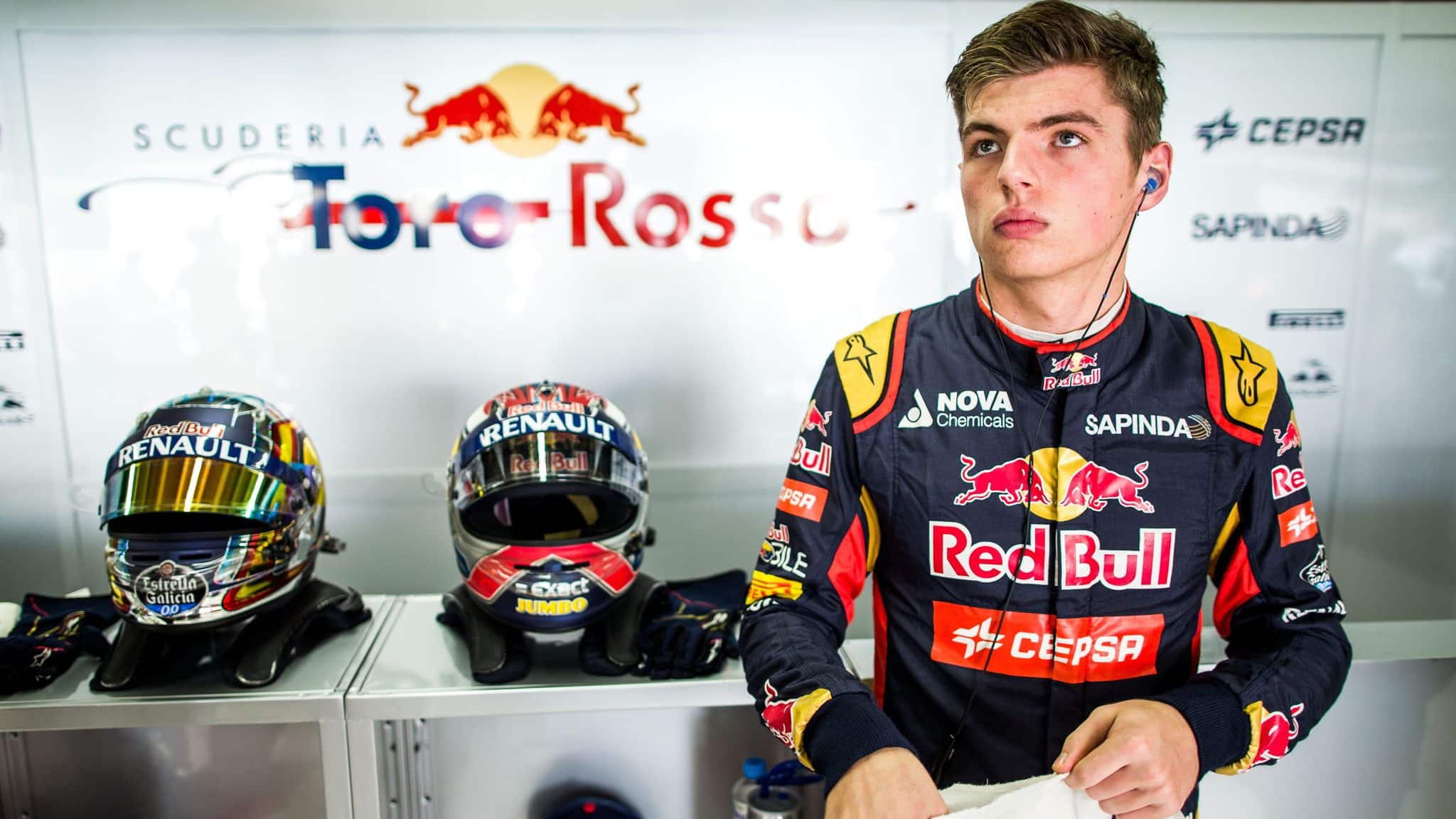
Why Startup Founders Should Hire Like Red Bull's Junior Academy (Not Like Mercedes)
Max Verstappen won his first Formula 1 race at 18 years and 228 days old. Most VCs wouldn't fund an 18-year-old. Most boards wouldn't approve hiring a teenager for a C-suite role. But Red Bull Racing did exactly that—and built a four-time world champion. Here's what makes it more impressive: Red Bull didn't just get lucky with Max. They've been doing this since 2001. Sebastian Vettel, Daniel Ricciardo, Carlos Sainz Jr., and Pierre Gasly—all graduates of the Red Bull Junior Team who've won Formula 1 races. Vettel and Verstappen have combined to win eight world championships.
Meanwhile, Mercedes hired Lewis Hamilton (who was already a world champion when he joined in 2013), kept Valtteri Bottas (a proven race winner), and promoted George Russell (after he won the GP3 and Formula 2 championships back-to-back). Two strategies. Both successful. But only one works for startups. For startup founders building teams in Guadalajara, Mexico City, or San Francisco, Austin, or Houston, the choice is clear: You can't afford Mercedes' approach. You need Red Bull's playbook.
The Startup Talent Paradox: Why You're Stuck Between Experience and Affordability
Every startup founder I work with faces the same dilemma: "We need a VP of Engineering who's scaled a product from 10 users to 10 million. But we can only afford $150K, and that person commands $400K at a FAANG company." The math doesn't add up. You need proven executives, but you can't afford them. You can afford hungry talent, but they lack the scars of scaling. This is the exact problem Formula 1 teams face—but Red Bull and Mercedes solved it differently.
Mercedes' Approach: Hire Proven Champions
Mercedes doesn't gamble on potential. They hire drivers who've already proven they can win:
- Lewis Hamilton: 1 world championship before joining Mercedes, went on to win six more with them (7 total)
- Nico Rosberg: Son of 1982 world champion, proven race winner, eventually won the 2016 title
- Valtteri Bottas: Race winner at Williams before joining Mercedes
- George Russell: Won GP3 (2017) and Formula 2 (2018) championships before his F1 debut
When George Russell joined Mercedes full-time in 2022, he'd already proven himself at Williams. Mercedes didn't take a gamble—they promoted a known quantity.
This works brilliantly when you have Mercedes' budget. They can afford to pay top dollar for proven talent. Lewis Hamilton reportedly earned $55-70 million per year at his peak. That's CEO-of-a-Fortune-500-company money.
Startups operate with constraints. Budgets are limited, and compensation is often a mix of equity and vision.
Red Bull's Approach: Build Champions from Raw Talent
Red Bull's Junior Team, run by the famously ruthless Helmut Marko, operates differently: They spot raw talent early, develop it aggressively, and promote based on potential rather than credentials. The Max Verstappen case illustrates this well:
- 2014 (Age 16): Verstappen races in F3, and Red Bull signs him to the Junior Team after he wins races.
- 2015 (Age 17): Red Bull puts him in a Formula 1 car at Toro Rosso—making him the youngest F1 driver ever (17 years, 166 days).
- 2016 (Age 18): Red Bull promotes him to the main team mid-season; Verstappen wins on his debut (Spanish GP).
- 2021-2024 (Age 23-27): Verstappen secures four consecutive world championships.
Total time from karting to world champion: 7 years.
Red Bull didn't wait for Max to "prove himself" in another team first. They spotted the raw talent, put him in the car, and gave him the support system to develop into greatness.
Sebastian Vettel followed a similar path: Red Bull Junior Team → Toro Rosso debut at 19 → Red Bull Racing promotion at 21 → four consecutive world championships (2010-2013).
This is the model startup founders need to understand.
Startup Founders: The Case for Hiring Potential Over Pedigree
In practice, the ideal VP of Product for a Series A company is rarely the person holding that title at a company like Airbnb.
Why? Because they're optimized for different problems:
- Airbnb's VP of Product manages a 40-person product org, coordinates across multiple business units, and focuses on incremental optimization
- Your Series A startup needs someone who can ship fast, wear multiple hats, build 0→1 products, and thrive in chaos
The Airbnb executive might be brilliant—but they're built for a Mercedes. You need someone built for a Toro Rosso: scrappy, hungry, and ready to prove themselves.
This is where savvy startup founders think like Red Bull.
What Red Bull Looks For (And Startup Recruiters Should Too)
When Helmut Marko evaluates junior drivers, he's not asking "What have you won?" He's asking:
- Learning velocity: How fast do they improve after feedback?
- Coachability: Do they implement coaching, or do they ignore it?
- Performance under pressure: Do they crumble in high-stakes moments, or do they thrive?
- Hunger: Are they content with where they are, or are they desperate to climb?
- Trajectory: Not where they are today—where they'll be in 2-3 years
George Russell won GP3 and F2 before his F1 debut. That's an impressive pedigree.
Max Verstappen went directly from F3 to F1, skipping GP2/F2 entirely. Red Bull bet on trajectory over credentials—and it paid off with four world championships.
For startup founders, this means:
Good Hire: → VP Product from Google who's managed 20-person teams → $300K salary, proven execution, comfortable scaling → Mercedes approach
Better Hire for Early-Stage Startups: → Senior PM from mid-stage startup who's shipping features weekly, hungry to prove they can scale → $180K + equity, high learning velocity, ready to become VP → Red Bull approach
The second hire costs half as much and has 3x the hunger. They haven't "made it" yet, which means they're desperate to prove themselves.
Finding Startup CTOs Without Big Tech Experience: The Mexico Advantage
This is where cross-border startup recruiting gets interesting.
Silicon Valley startups are stuck in a trap: everyone wants the ex-Google engineer, the ex-Meta product manager, the ex-Stripe VP. Pedigree is king.
But in Guadalajara, Monterrey, and Mexico City? Trajectory beats pedigree.
The Guadalajara Talent Pool: ITESM Grads Without the Silicon Valley Premium
ITESM (Tec de Monterrey) produces engineers who are:
- Technically strong: Computer science programs comparable to U.S. state schools
- Bilingual: English proficiency is table stakes
- Hungry: They lack the "Stanford/MIT/Caltech" pedigree that opens U.S. doors automatically
- Affordable: $60-120K total comp for engineers who'd cost $180-250K in Austin or SF
This is exactly the profile Red Bull looks for.
These engineers haven't been "proven" by Google. They don't have the Mercedes pedigree. But they have the learning velocity, hunger, and trajectory that make world champions.
Smart startup founders know this. They're not hiring "the best CTO in Silicon Valley" (translation: "most expensive, most proven, least hungry"). They're hiring "the engineer in Guadalajara who's about to become one of the best CTOs in Silicon Valley."
Case Study: Why Red Bull Would Hire from ITESM
Let's say Red Bull was recruiting for a junior driver position. Two candidates:
Candidate A:
- Racing for Prema (the Mercedes of junior racing)
- Won the F2 championship last year
- Backed by a wealthy family, pristine equipment
- Clearly talented, but hard to separate driver skill from team support
Candidate B:
- Racing for a mid-tier team with an inferior car
- Finished 3rd in the championship despite mechanical issues
- Self-funded through sponsorships, had to earn every opportunity
- Shows flashes of brilliance in wet weather racing (pure driver skill, car matters less)
Red Bull would seriously consider Candidate B. Why? Because they're looking for raw talent that overperforms their circumstances.
The ITESM engineering graduate who built a fintech MVP on nights/weekends while working full-time? That's Candidate B.
The Stanford CS grad whose dad's VC firm funded their startup that failed after $2M in runway? That's Candidate A.
Trajectory. Hunger. Learning velocity.
Trajectory. Hunger. Learning velocity.
The Founder-First Hire Dynamic: Your First VP Will Shape Everything
When Red Bull promoted Verstappen to the main team in 2016, they made a calculated bet: "This 18-year-old will define our team for the next decade."
They were right. Max has won four championships. Red Bull built the entire operation around his talent.
Your first VP hire is the same bet.
The first VP of Engineering you hire will:
- Set the technical culture (move fast vs. build perfect systems)
- Define hiring standards (pedigree vs. potential)
- Establish team norms (ego-driven vs. collaborative)
- Shape product velocity (ship weekly vs. ship quarterly)
If you hire the ex-Google VP who's used to 18-month roadmaps and enterprise sales cycles, you'll build a Google-style culture—which might be wrong for your scrappy Series A startup.
If you hire the hungry Senior Engineer from a Mexico City fintech who's been shipping code weekly and juggling five hats, you'll build a Red Bull-style culture—aggressive, fast-moving, willing to take risks.
Mercedes can afford to hire George Russell after he's won two championships. You need to hire George Russell when he's still at Williams, hungry to prove himself.
Why the Best Startup Founders Ignore Job Descriptions
Here's what separates promising startup founders from great ones:
Bad: They utilize “good” recruiters who take the job description literally:
- "VP Engineering needed"
- "10+ years of experience required."
- "Proven track record scaling teams to 50+ engineers."
They post on LinkedIn, filter for big-name companies, and send the same generic outreach to 100 candidates.
Great startup executive search consultants understand the real job:
- "We need someone who can architect our platform, interview candidates, and write code when we're slammed."
- "Experience matters less than learning velocity and hunger."
- "This person will become our CTO in 18 months if they execute."
They don't filter for pedigree. They filter for trajectory.
Red Bull doesn't care that Max Verstappen didn't win F2 before his F1 debut. They cared that he was the fastest driver in F3, with ice-cold nerves in wheel-to-wheel racing.
Startup founders should think the same way:
- Don't filter for "VP Product at Series D startup." Filter for "Senior PM who's shipped three major features in 6 months, and users love their work."
- Don't filter for "Stanford CS degree." Filter for "built an open-source project with 500+ GitHub stars because they couldn't sleep until they solved the problem."
- Don't filter for "5 years at FAANG." Filter for "learned React in 3 weeks to ship a feature because the team was blocked."
Credentials tell you what someone did. Trajectory tells you what they'll do next.
The Risks of the Red Bull Model (And How to Mitigate Them)
Let's be honest: Red Bull's approach is ruthless. One article called their junior program "a meat grinder."
For every Sebastian Vettel and Max Verstappen, there are dozens of drivers who got dropped after 1-2 seasons: Daniil Kvyat, Jean-Éric Vergne, Brendon Hartley, and Jaime Alguersuari.
Red Bull bets on high potential, but they're quick to cut talent that doesn't deliver.
This creates risks for startups:
- High turnover: If you're constantly churning through "high-potential" hires who don't work out, you waste time and money
- Culture damage: Firing people quickly creates fear, not performance
- Reputation hit: Word spreads fast in startup ecosystems—if you're known for burning through talent, good candidates avoid you
How to adopt Red Bull's model without the downsides:
1. Bet on Trajectory, But Validate Learning Velocity Early
Red Bull gives drivers a car and watches how quickly they improve. You should do the same:
- 90-day onboarding milestones: Specific, measurable outcomes (ship feature X, hire person Y, reduce metric Z)
- Weekly feedback loops: Are they implementing coaching? Or ignoring it?
- Early warning signs: If someone isn't improving after feedback in Month 2, they won't magically improve in Month 6
2. Build Support Systems, Not Sink-or-Swim Culture
Red Bull puts junior drivers through simulator training, fitness programs, and race strategy coaching. They invest in development.
Startups should do the same:
- Mentorship: Pair your hungry Senior PM with an advisor who's been a VP Product
- Training budget: $5K/year for courses, conferences, and coaching
- Clear growth paths: "Here's what VP looks like. Here's how you get there."
3. Hire for Culture Add, Not Culture Fit
Mercedes hires drivers who align with its engineering-driven, data-obsessed culture.
Red Bull hires drivers who are aggressive, instinctive, and willing to take risks—sometimes that clashes with the engineering team, but it wins championships.
Ask yourself: Do you need someone who "fits in" with your current team, or someone who will push your team to be better?
The ITESM engineer from Guadalajara who challenges assumptions and ships faster than your current team? That's a culture add, not a culture fit. Hire them.
Key Takeaways: What Startup Founders Can Learn from Red Bull
- Red Bull builds champions (Verstappen at 17), Mercedes hires champions (Hamilton after 1 title). For startups, building talent costs less and creates more loyalty than poaching proven executives.
- Trajectory matters more than credentials. The Senior PM shipping features weekly has a better trajectory than the VP Product managing a 40-person org. Hire for where they'll be in 2 years, not where they are today.
- Guadalajara, Monterrey, and Mexico City have untapped talent pools. ITESM engineers lack Silicon Valley pedigree but have the hunger, learning velocity, and bilingual skills startups need. Smart founders bet on this talent before big tech does.
- Your first VP hire will define your culture for years to come. Hire someone who's still hungry, not someone who's already comfortable. The ex-FAANG VP might bring prestige, but the scrappy Senior Engineer from a Mexico City startup will outwork them.
- Learning velocity > past performance. Red Bull doesn't care if you won F2. They care if you improve after feedback. Assess how quickly candidates learn, not just what they've accomplished.
- Support systems separate Red Bull from "meat grinders." Bet on potential, but invest in development: mentorship, training budget, clear growth paths. High-potential hires need coaching, not sink-or-swim culture.
- The best startup founders ignore job descriptions. Stop filtering for "10+ years at Series D startup." Start filtering for "shipped three features in 6 months and users loved them." Credentials tell you the past. Trajectory tells you the future.
Ready to Build Your Startup Team the Red Bull Way?
At Alder Koten, I help startups across Houston, Guadalajara, Mexico City, and Monterrey build high-velocity teams that execute like Red Bull Racing.
We don't just place executives—we identify trajectory over pedigree, find undervalued talent before the market does, and help startups build championship-caliber teams on Series A budgets.
Red Bull didn't wait for Max Verstappen to prove himself at Mercedes. They bet on his trajectory when he was 17 and hungry.
We'll help you find your Max Verstappen before they become unaffordable.
Stop competing for ex-FAANG executives who cost $400K. Start building teams of hungry, high-velocity talent who are ready to prove they belong at the next level.
Let's build your championship team.