January 1, 2026
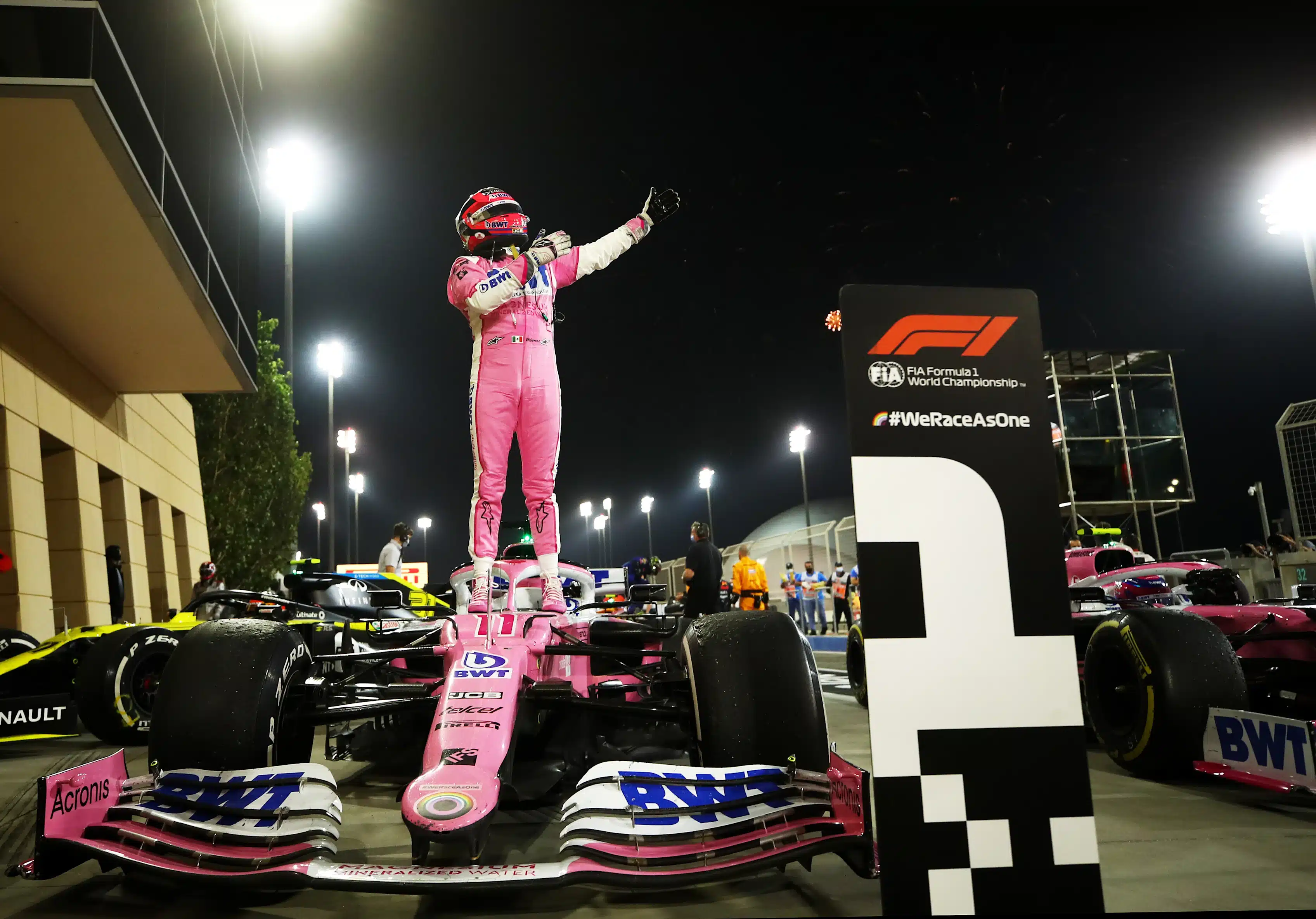
Race driver stationary in pit lane while competitors pass on track, representing the cost of accepting a counter-offer while career momentum moves on

The Counter-Offer Trap Why Staying Never Fixes What Made You Leave

You've done the work. Months of quiet searching. Four rounds of interviews. You received an offer that validates everything you suspected: you're worth more than what you're being paid. Then your employer makes a counter-offer, and suddenly everything changes. The raise that wasn't in the budget materializes from nowhere. The promotion that "wasn't in the cards" appears overnight. Research shows that between 50% and 80% of people who accept counter-offers leave within six months anyway. The structural conditions that pushed you toward the door remain unchanged. More money doesn't fix a broken relationship with leadership. A better title doesn't repair a culture that doesn't value your contributions. The counter-offer isn't an investment in your future. It's a tactical response to an inconvenient situation.
January 16, 2026
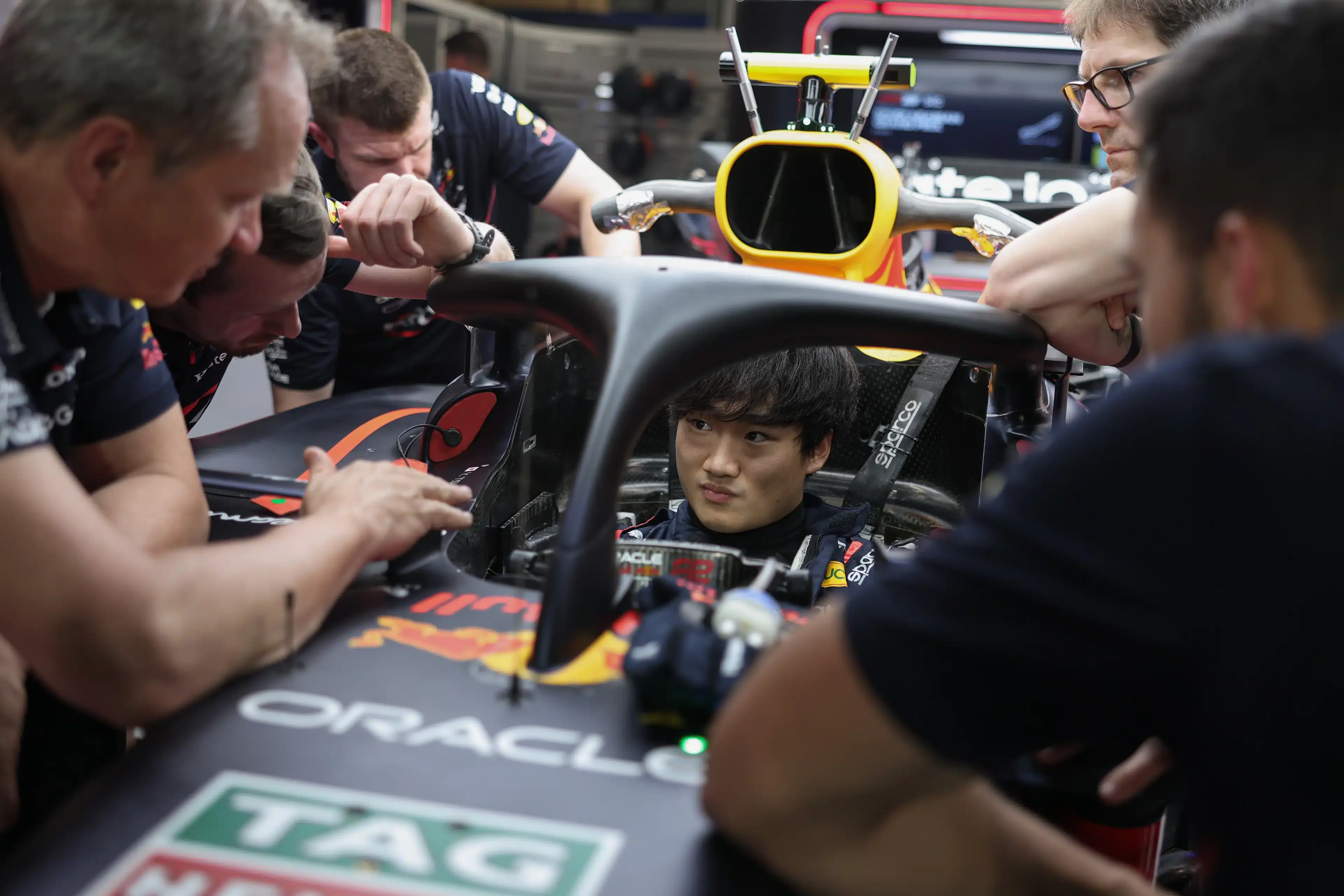
Race driver adapting to different car conditions, representing executive calibration mismatch between big tech and startup environments

Why Top Tier Executives Fail at Scrappy Startups

The resume looked perfect. VP of Product at a company everyone recognizes. Eight years building teams at scale. Six months later, she's paralyzed. Decisions that should take hours take weeks. The scrappy team that moved fast before she arrived now waits for processes that don't exist. She wasn't the wrong hire—she was the wrong calibration for the conditions. Executives from large tech companies operate inside invisible infrastructure: dedicated recruiters, established processes, automated systems. When they join startups where that infrastructure doesn't exist, their instincts pull them toward rebuilding what they had rather than adapting to what the startup needs. Stop hiring for pedigree. Start diagnosing for conditions. The question isn't whether they're talented—it's whether their talent is tuned for the track you actually have.
January 18, 2026
F1 pit wall during a race, representing the organizational support structures executives rely on for critical decisions

When the Pit Wall Goes Silent: Executive Decision-Making Under Uncertainty

The moment of truth for executives isn't when everything is clear and the organization is aligned. It's when the support structures go quiet, the information is incomplete, and the leader has to choose anyway. Drawing from Ayrton Senna's legendary 1991 Brazilian Grand Prix—where he finished with only sixth gear working and was lifted bodily from his car—this article explores why standard interview processes fail to assess the capability that matters most: decision-making when the pit wall goes silent. Most organizations hire executives who excel at executing consensus decisions, then watch them freeze when the consensus doesn't exist. Here's how to identify leaders calibrated for the moments when talent alone isn't enough.
January 19, 2026
F1 tire showing wear patterns, representing the balance between performance extraction and resource preservation that defines executive leadership in constrained conditions

The Tire Whisperer: Executives Who Excel in Resource-Constrained Conditions

Sergio Perez's 2020 Sakhir Grand Prix victory—from last place to first after a lap-one collision—wasn't just dramatic racing. It demonstrated a capability that separates certain executives from the rest: the ability to extract performance from conditions where conventional analysis says none should exist. Drawing from F1's greatest tire managers (Perez, Button, Alonso), this article explores why executives from well-resourced environments often fail when constraints arrive, how to identify leaders calibrated for scarcity rather than abundance, and why resource efficiency can become competitive advantage. The executives who master this capability don't just survive constrained conditions—they turn constraints into competitive space others can't access.
January 23, 2026
Visual comparison of CFO types showing financial steward versus capital raising CFO skills for Series B startup fundraising

The CFO Who Can’t Fundraise: Series B’s Most Expensive Mistake

Your new CFO has impeccable credentials. Twenty years at a Fortune 500 company. CPA. MBA from a top program. Six months in, your books are pristine and your controls are bulletproof. There's just one problem: you're heading into Series B and she freezes in front of investors. I see this pattern constantly. The board hires for financial stewardship when they actually need capital markets leadership. They get a brilliant controller in a CFO costume. These are fundamentally different skill sets. Ferrari lost a championship learning this lesson with Mattia Binotto. McLaren won consecutive titles because Zak Brown understood that commercial leadership and technical leadership require different people. Your Series B needs a CFO who can raise capital, not just count it.
February 2, 2026
F1 practice session versus race day conditions illustrating the assessment mismatch in executive hiring

The Friday Driver Dilemma: When Interviews Predict Nothing

Practice conditions don't predict race performance. Interview conditions don't predict job performance. Here's why even brilliant interview performances tell you almost nothing about how an executive will operate when strategy collides with reality—and how to design assessments that measure what actually matters.
February 3, 2026
Deal memo with extensive financial analysis and minimal human capital due diligence

Due Diligence on People: The Missing Chapter in Deals

Deal memos are exhaustive on financials and superficial on people. Human capital miscalibration should be modeled like integration risk — with probability, impact, and mitigation cost. Here's the missing chapter that determines whether your returns are real or overstated.
February 6, 2026
Formula 1 pit crew changing tires during a race, illustrating how startup teams must evolve as conditions change

The Founder-Friendly Trap: When Loyalty Hurts Business

The people who built your company are not always the people who can scale it. Founders know this. Boards suspect it. Early employees feel it. And everyone keeps pretending because the alternative feels like betrayal. This article names the loyalty tax that scaling startups pay when founders confuse gratitude with governance, and explains why being truly "founder-friendly" to the business sometimes means making the hardest call about the people who got you here.
February 9, 2026
Formula 1 safety car leading a compressed field of race cars on a wet track, illustrating how organizational crises eliminate the buffer and reveal true leadership calibration

The Safety Car Paradox: Crises Reveal Your Best Leaders

Every organization faces its version of the safety car. A supply chain collapse. A key departure. A market correction that compresses two years of runway into six months. The event itself isn't the problem. The problem is what the event reveals. Stable conditions hide as much as they show. The crisis didn't change anyone. It compressed the field. And compression makes everything visible. This is the safety car paradox: the event that disrupts everything is also the event that shows you who you actually have.