Founder's Paradox Archives - Charlie Solórzano | The Race Conditions Model™ | U.S.-Mexico Executive Search
January 5, 2025
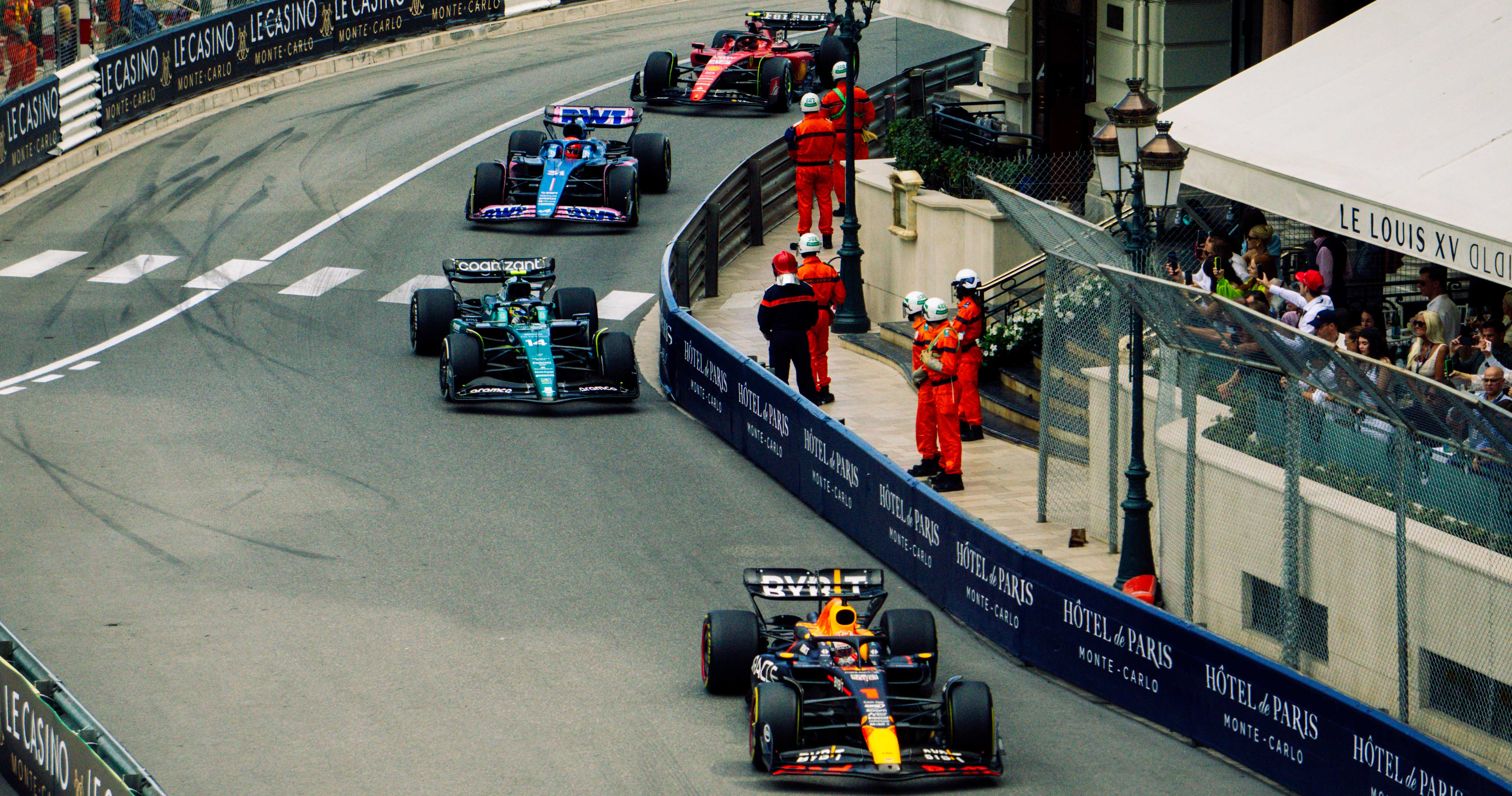
F1 race car positioning at track limits during corner, demonstrating clear boundaries enabling maximum performance

Testing Track Limits: Push Executives Without Breaking Them

Are you testing your executive team's limits, or destroying their confidence with unclear boundaries? After twenty years placing executives, I've seen the same pattern: talented leaders hesitate not because they lack capability, but because they don't know where the edges are. Clear boundaries don't restrict performance—they enable it. Learn why executives perform better when track limits are visible, the three failure modes that destroy trust, and the flag system that transforms hesitation into confident execution. The fastest path to peak performance isn't more pressure. It's clearer lines.
May 22, 2025
F1 grid position representing how executive talent performs differently at various company stages from Series A to Series C

Why Your Series A Hire Failed at Series C (And How to Avoid It)

The VP who crushed it at Series A is drowning at Series C. Most founders blame the executive for "hitting their ceiling." But the pattern I've seen across 20+ years tells a different story. Like Red Bull F1's habit of promoting drivers too early, the problem isn't talent. Gasly won at Monza after being demoted. Sainz became a Ferrari race winner after Red Bull passed him over. The same talent at the right level succeeds. This article breaks down why stage mismatch happens, the warning signs you're missing, and how to hire executives who scale with your company.
August 22, 2025
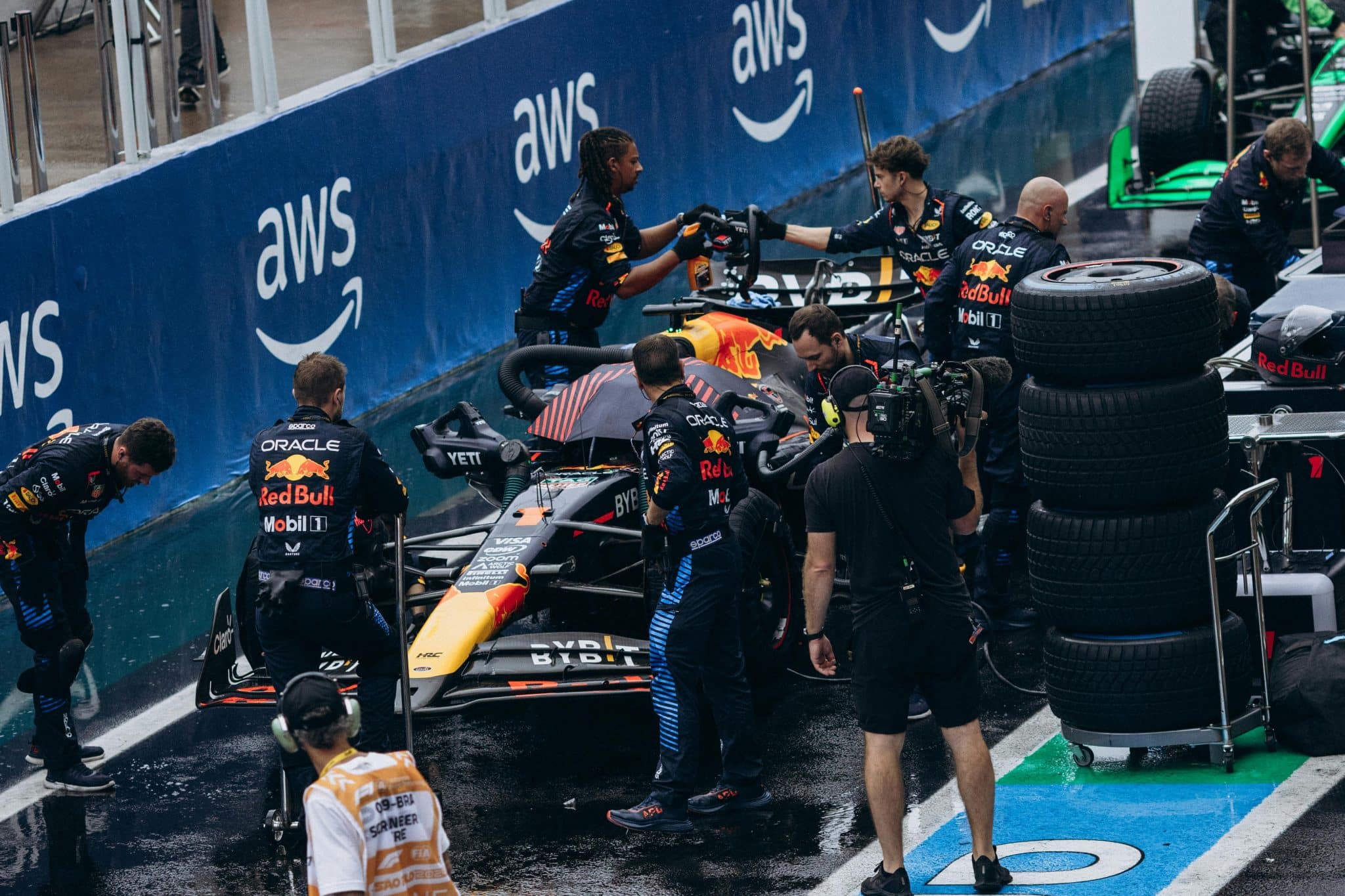
F1 pit stop tire change representing the critical Series B transition from founder mode to operator mode in startup leadership

Founder Mode vs. Operator Mode: Why Series B Is the Breaking Point

Paul Graham's "Founder Mode" essay went viral, but it frames the wrong question. The choice isn't founder mode versus operator mode. It's knowing when to shift between them. For most startups, that shift happens at Series B, where 35% of companies fail. Drawing lessons from Mercedes F1's 2022 transformation and McLaren's decade-long turnaround under Zak Brown, this article explores why Series B is the breaking point and how founders can build leadership teams that scale without losing their vision.
September 10, 2025
A close-up of a modern chessboard showing a few key pieces in a strategic formation, representing the thoughtful process of building a board of directors.

Beyond the Echo Chamber: How to Build a Board That Challenges You

Most founders build a comfortable "book club" board—an echo chamber that harms the company. The real goal isn't comfort; it's "Strategic Friction." This playbook outlines how to architect a board with the right archetypes—The Operator, The Market Oracle, and The Governance Guru—to forge a true competitive advantage and accelerate growth.
October 2, 2025
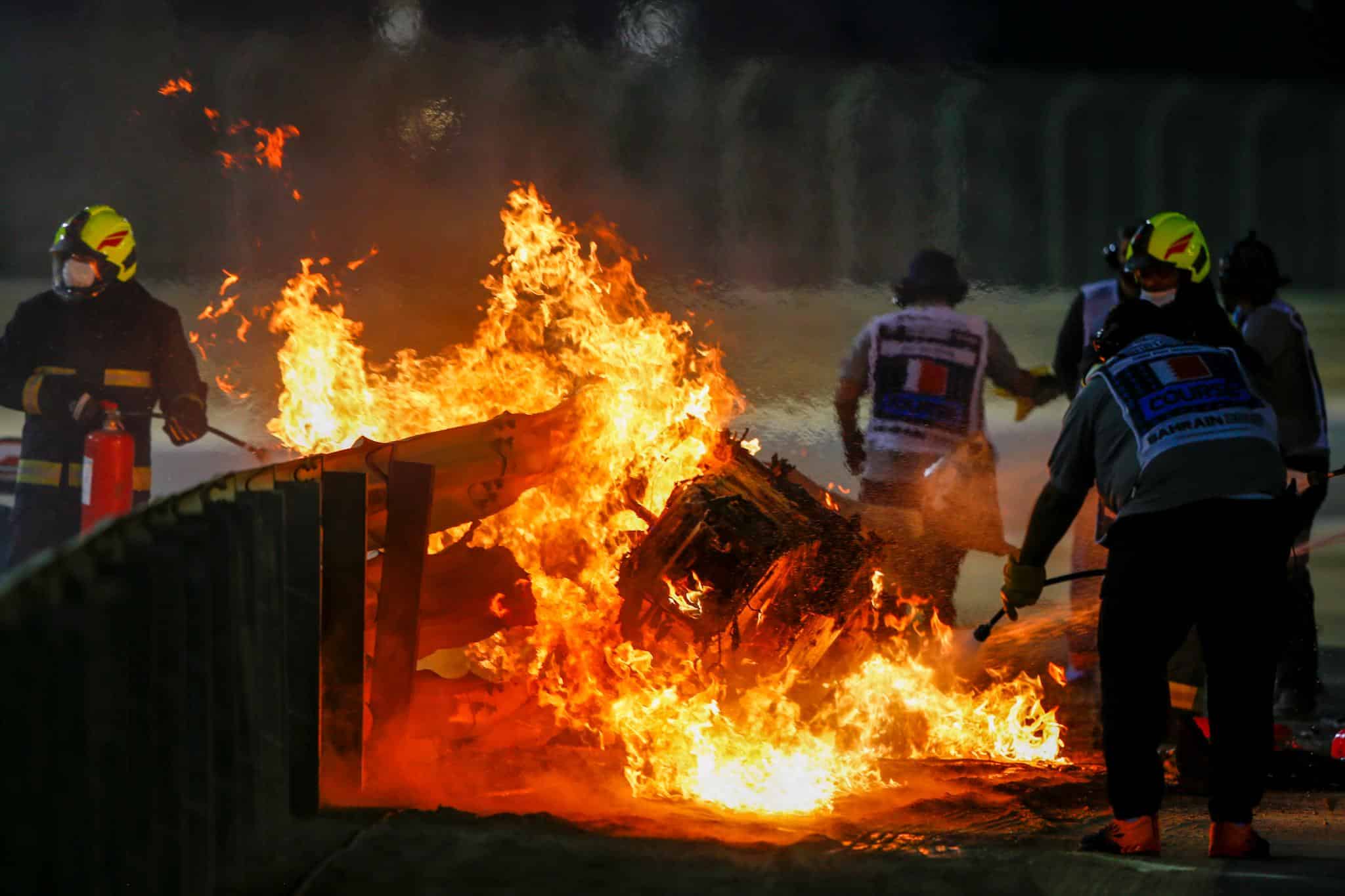
The Halo cockpit protection device on a Formula 1 car, the titanium structure that saved Romain Grosjean's life at Bahrain 2020

Why Your Best People Fight the Changes That Would Save Them

In 2016, Lewis Hamilton called the Halo "the worst-looking change in Formula 1 history." Four years later, when Romain Grosjean walked away from an 850-degree fireball at Bahrain, Hamilton said: "Thank you FIA for ignoring us." The pattern is striking—and it repeats far beyond motorsport. The people closest to a problem are often the loudest opponents of its solution. Not because they're wrong, but because they've built their identity around navigating the risk. I see this in founder transitions, family business successions, and boardrooms resisting structural change. The resistance isn't ignorance. It's grief dressed up as strategy. The question isn't how to win the argument. It's how to create conditions where reality makes the case for you.
October 31, 2025
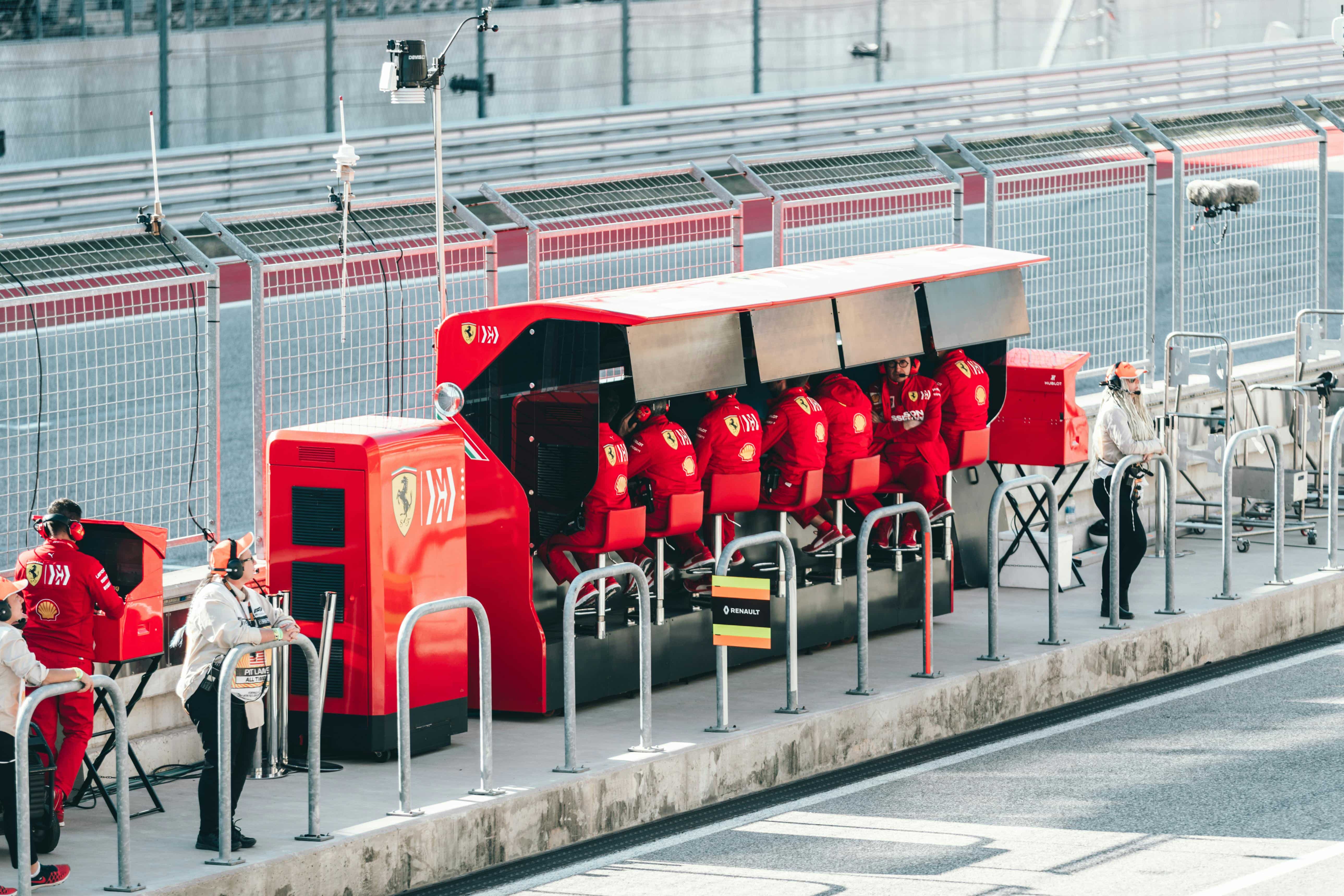
F1 team principal collaborating with pit wall crew contrasted with founder facing empty COO chair representing leadership diagnostic

Why Every COO Search is Actually a Founder Diagnosis

COO searches fail more than any other C-suite hire, not because of the candidates, but because they expose founder phase issues that nobody diagnosed before the search began. When founders struggle to hire a COO, the search itself becomes a diagnostic tool, revealing ambivalence about delegation, unclear role definitions, and organizational conditions that would cause any hire to fail. Before evaluating candidates, evaluate the conditions. Every COO search is actually a founder diagnosis.
December 12, 2025
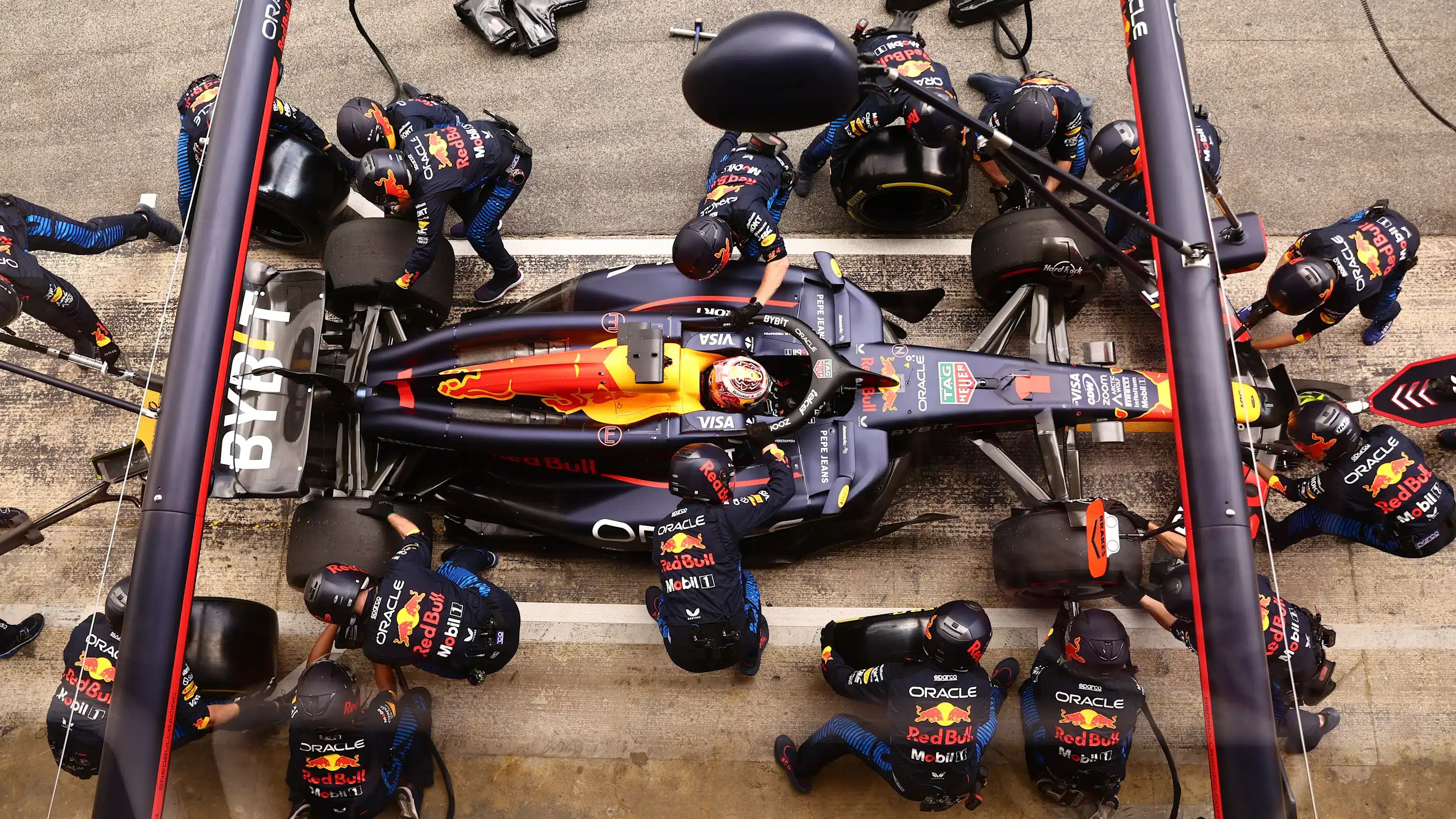
Formula 1 Red Bull Racing pit crew performing precise tire change demonstrating strategic timing for executive hiring decisions

Undercut or Overcut? Strategic Timing for Your First C-Suite Hire

Founders often miss the optimal 'pit window' for C-suite hires, hiring either too early (the premature undercut) or too late (the catastrophic overcut). Learn to read your company's track conditions using F1 strategy to determine exactly when to bring in your first CFO, CMO, or COO based on revenue milestones, not emergencies.
December 19, 2025
Frank Williams, during Williams Racing dominance, contrasted with Claire Williams during the team's succession crisis, showing family business transition failure

The Williams Tragedy: What Every Founder Can Learn from F1’s Saddest Succession Story

July 2021. Sir Frank Williams watched his team race for the last time under family ownership. After 43 years and nine Constructors' Championships, Williams Racing was being sold. This wasn't retirement—it was surrender. The team that had dominated F1 finished 2020 dead last with zero points. When Frank tried to pass the team to his daughter Claire, the transition nearly destroyed what he'd spent decades creating. This is one of racing's saddest stories—and one of business's most instructive. Frank Williams didn't fail to build a great team. He failed to create the conditions for succession to work. Five critical mistakes—confusing family relations with readiness, failing to transfer key relationships, and never building institutional governance—cost his family everything. Here's what every founder can learn from F1's greatest succession tragedy.