April 9, 2024
Mexico City business district skyline showing financial centers where headhunters Mexico recruit CFOs VPs and executive leadership talent for multinational companies expanding through nearshoring

Headhunters in Mexico: How to Find Executive Talent That Actually Delivers

In Formula 1, talent scouts don't wait for drivers to win championships before signing them. Red Bull spotted Max Verstappen at 16. Mercedes identified George Russell in karting. The best teams find talent before the market does. Executive search in Mexico works the same way. 73% of Mexican companies report difficulty filling key leadership positions—and that number jumps to 80% in manufacturing and automotive, 77% in IT, and 76% in finance. Translation: If you're waiting for the "perfect CFO with 15 years at a Fortune 500 company" to apply on LinkedIn, you'll be waiting a long time. The best executives aren't posting resumes. They're running companies in Monterrey, building fintechs in Mexico City, or scaling operations in Guadalajara—and they're not looking to leave. That's where headhunters in Mexico come in.

January 8, 2025
Formula 1 DRS activation showing when external executives can overtake internal promotions

The DRS Zone: When External Executives Overtake Internal Promotions

Choosing between external hires and internal promotions isn’t about convenience — it’s about strategic activation zones where an external executive can “overtake” internal talent, just like Formula 1’s DRS system. The DRS Zone Framework identifies specific scenarios where external expertise delivers disproportionate impact: scaling beyond current experience, entering new markets, closing technical gaps, breaking founder bottlenecks, or resetting a broken function. Conversely, internal promotion wins when culture preservation, institutional knowledge, team trust, or runway constraints matter most. The framework helps founders assess the real capability gaps — not political shortcuts — and make hiring decisions that preserve trust, accelerate growth, and align with long-term strategy.
May 22, 2025
F1 grid position representing how executive talent performs differently at various company stages from Series A to Series C

Why Your Series A Hire Failed at Series C (And How to Avoid It)

The VP who crushed it at Series A is drowning at Series C. Most founders blame the executive for "hitting their ceiling." But the pattern I've seen across 20+ years tells a different story. Like Red Bull F1's habit of promoting drivers too early, the problem isn't talent. Gasly won at Monza after being demoted. Sainz became a Ferrari race winner after Red Bull passed him over. The same talent at the right level succeeds. This article breaks down why stage mismatch happens, the warning signs you're missing, and how to hire executives who scale with your company.
August 22, 2025
F1 pit stop tire change representing the critical Series B transition from founder mode to operator mode in startup leadership

Founder Mode vs. Operator Mode: Why Series B Is the Breaking Point

Paul Graham's "Founder Mode" essay went viral, but it frames the wrong question. The choice isn't founder mode versus operator mode. It's knowing when to shift between them. For most startups, that shift happens at Series B, where 35% of companies fail. Drawing lessons from Mercedes F1's 2022 transformation and McLaren's decade-long turnaround under Zak Brown, this article explores why Series B is the breaking point and how founders can build leadership teams that scale without losing their vision.
September 10, 2025
A close-up of a modern chessboard showing a few key pieces in a strategic formation, representing the thoughtful process of building a board of directors.

Beyond the Echo Chamber: How to Build a Board That Challenges You

Most founders build a comfortable "book club" board—an echo chamber that harms the company. The real goal isn't comfort; it's "Strategic Friction." This playbook outlines how to architect a board with the right archetypes—The Operator, The Market Oracle, and The Governance Guru—to forge a true competitive advantage and accelerate growth.
September 16, 2025
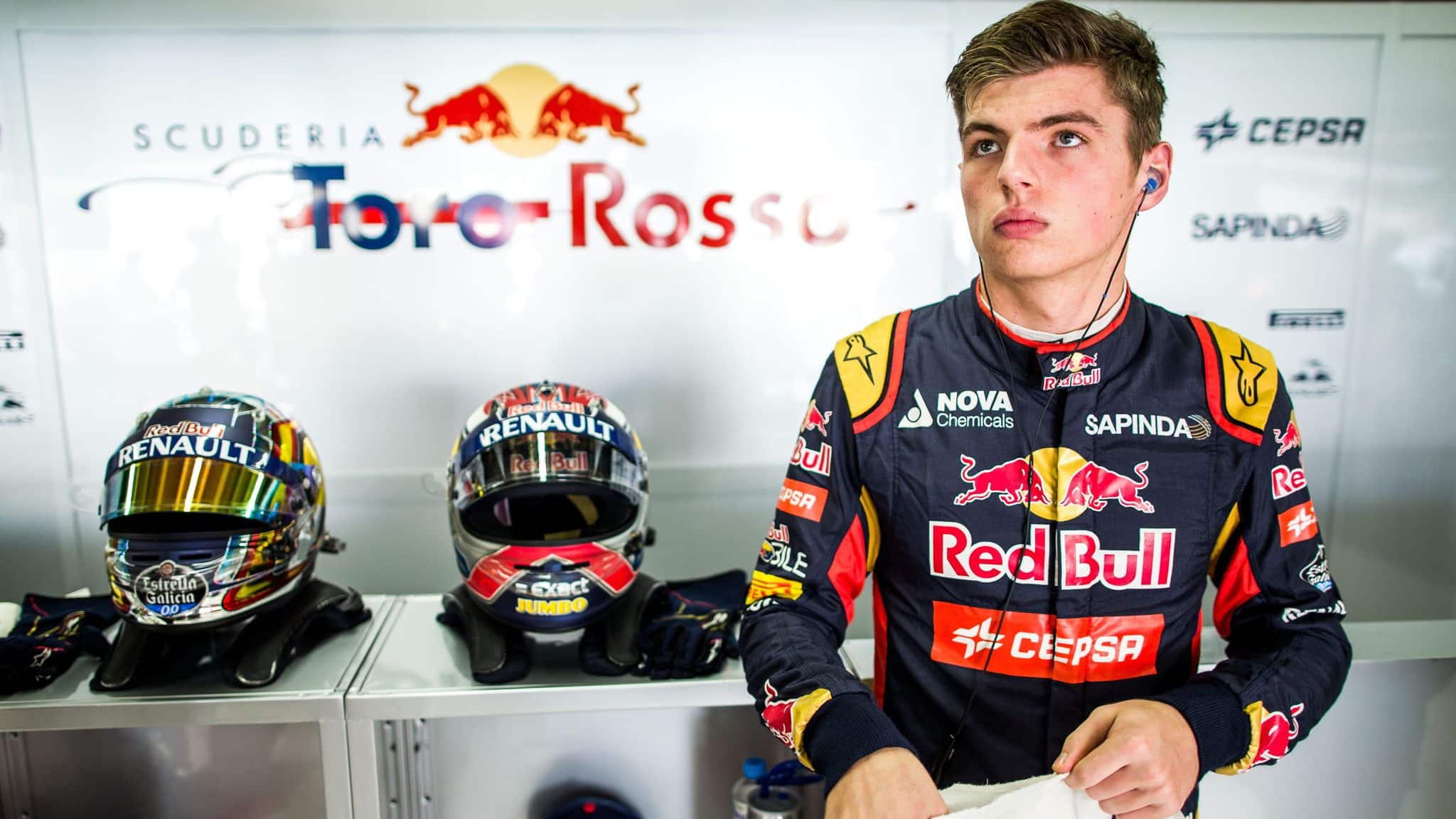
Max Verstappen driving for Toro Rosso Formula 1 as youngest driver ever at age 17, demonstrating Red Bull Junior Academy's approach to hiring potential over pedigree that startup recruiters in Mexico and USA should emulate

Why Startup Founders Should Hire Like Red Bull’s Junior Academy (Not Like Mercedes)

Max Verstappen won his first Formula 1 race at 18 years and 228 days old. Most VCs wouldn't fund an 18-year-old. Most boards wouldn't approve hiring a teenager for a C-suite role. But Red Bull Racing did exactly that—and built a four-time world champion. Mercedes hired Lewis Hamilton (already a world champion), kept Valtteri Bottas (proven race winner), and promoted George Russell (after winning GP3 and Formula 2 championships). Two approaches. Both successful. But only one works for startups. For startup founders building teams in Guadalajara, Mexico City, San Francisco, Austin or Houston, the choice is simple: You can't afford Mercedes' strategy. You need Red Bull's playbook.
October 5, 2025
Red Bull Racing teammates Max Verstappen and Sergio Pérez navigating Monaco's tight hairpin turn during the 2023 Monaco Grand Prix, illustrating the delicate balance between Number One and Number Two drivers in F1's most demanding street circuit

From Verstappen to Pérez: The Second in Command Problem

Sergio Pérez won five races for Red Bull but was still let go. His replacement lasted two races. The problem wasn't the drivers—it was the impossibility of being Number Two to Max Verstappen. Every CEO faces this same challenge with COOs and Presidents. Here's how to structure second-in-command roles that actually work.