
From Verstappen to Pérez: The Second-in-Command Problem Every CEO Faces
October 5, 2025
Moneyball for the C-Suite: Valuing On-Base Percentage Over Home Runs
November 4, 2025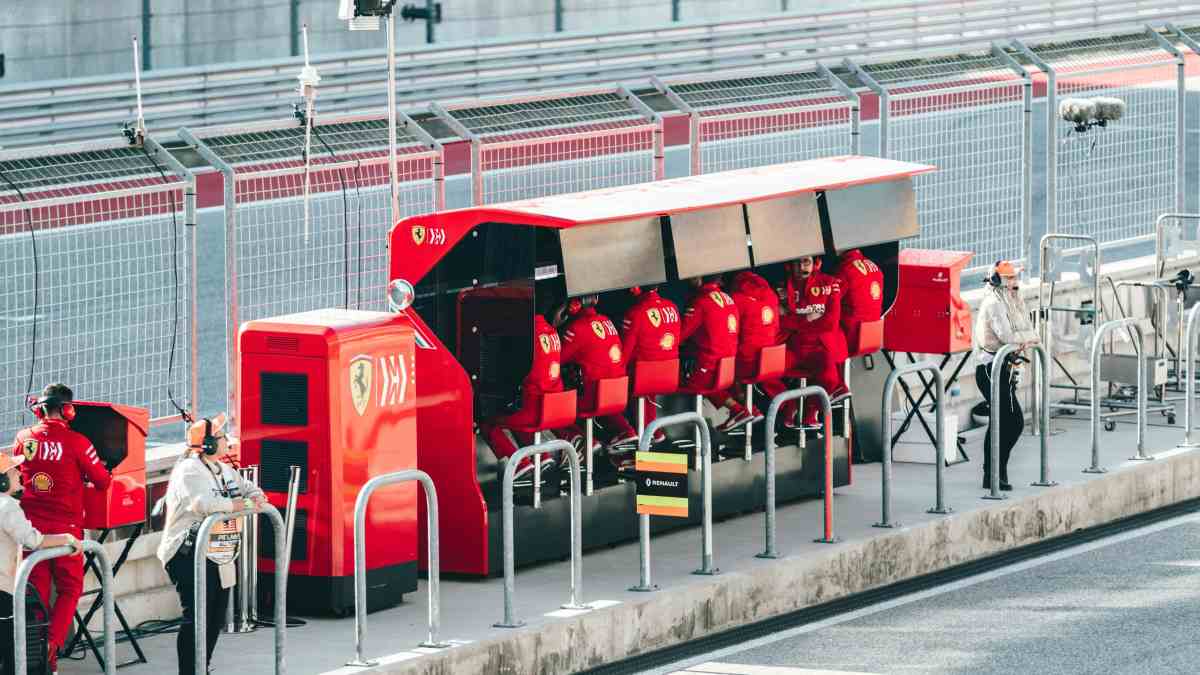
Why Every COO Search is Actually a Founder Diagnosis
COO searches fail more than any other C-suite hire. Not because of the candidates, but because they expose founder phase issues that nobody diagnosed before the search began.
The Search That Reveals Everything
Here's something I see constantly: A founder calls me to find a COO. They've done their homework. They have a job description. They know what they want, someone to "run the day-to-day" so they can focus on vision and growth.
A couple weeks later, we've presented three exceptional candidates. All qualified. All interested. All rejected.
The founder finds something wrong with each one. Too aggressive. Not aggressive enough. Great operator but "not strategic enough." Strategic thinker but "hasn't proven they can execute at our scale."
The search drags on. The board gets frustrated. The founder gets defensive.
And here's what nobody wants to say out loud: The problem was never the candidates.
The COO search didn't fail. It succeeded—at diagnosing something far more important than an open role. It revealed that the founder isn't actually ready to have a COO.
The Team Principal Problem
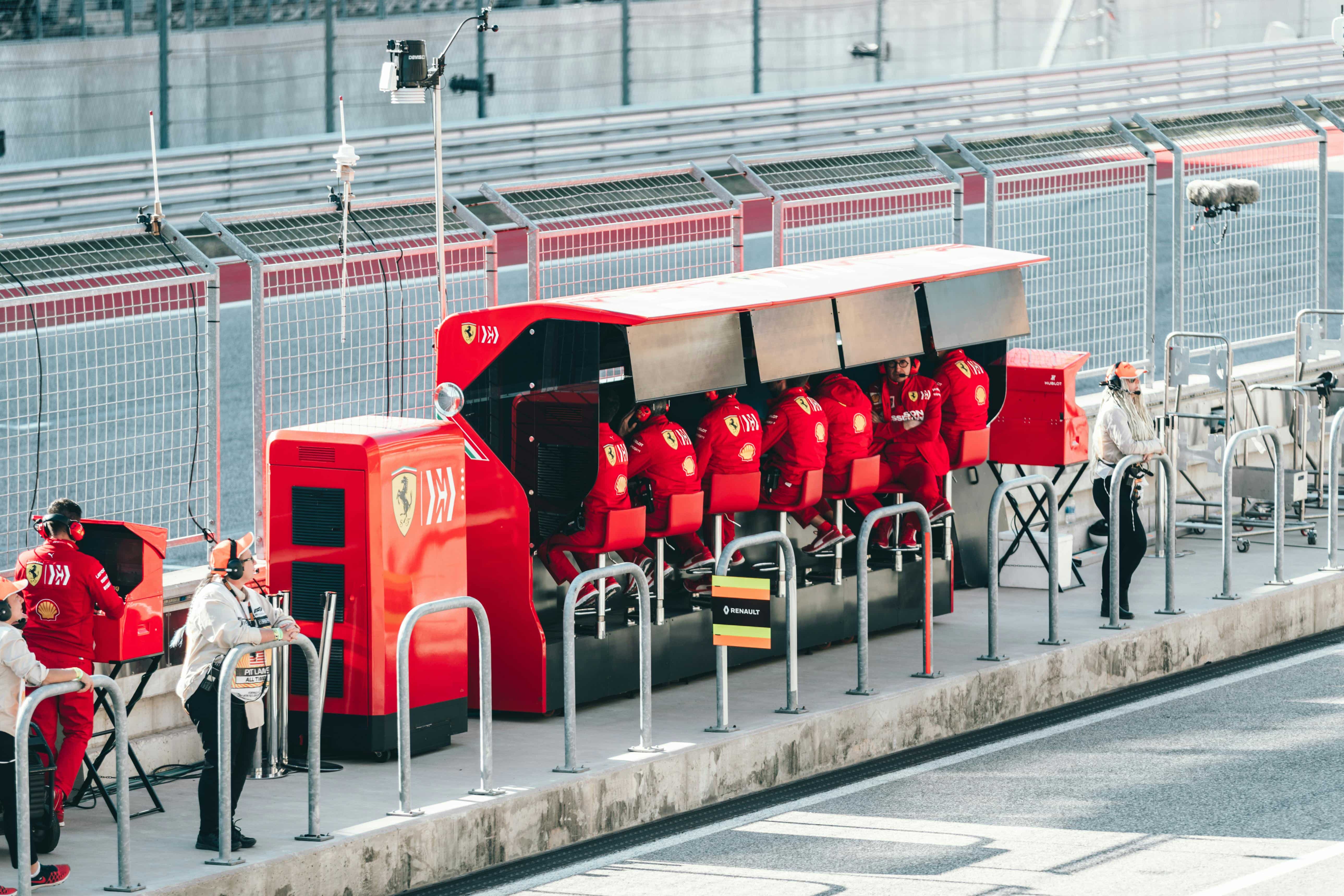
In Formula 1, the team principal role is the closest equivalent to a COO. They run operations, make race-day decisions, manage the team, and translate the owner's vision into on-track performance.
And F1 has proven, repeatedly, that team principal searches expose ownership dysfunction more reliably than any other diagnostic tool.
Consider Ferrari's revolving door. Between 2014 and 2023, the Scuderia cycled through four team principals: Stefano Domenicali, Marco Mattiacci, Maurizio Arrivabene, and Mattia Binotto. Each was talented. Each failed to deliver a championship. Each departure was framed as the individual's shortcoming.
But the pattern tells a different story.
Binotto's 2022 departure is instructive. Ferrari started that season with the fastest car—Charles Leclerc won two of the first three races and built a 46-point championship lead. Then the wheels came off. Strategy errors. Reliability failures. Communication breakdowns.
The easy narrative blamed Binotto. But as Motorsport.com noted after his resignation, Binotto had done "much to improve things" and his departure left Ferrari without someone who had "perhaps the most in-depth comprehension amongst his peers of car/engine design and performance parameters."
The real issue? Binotto held two roles—team principal AND technical director—because Ferrari's ownership structure couldn't agree on how to divide authority. He was "simply overwhelmed by his task," as one analyst put it. "It would have been enough to provide him with a sporting director who could assist him."
Ferrari didn't have a team principal problem. They had a governance problem that made the team principal role impossible.
The McLaren Contrast
Now consider McLaren's trajectory under Zak Brown and Andrea Stella.
When Brown became CEO in 2018, McLaren was a mess. The Honda partnership had collapsed. The team finished sixth in the constructors' championship. Fernando Alonso had given up and left.
Brown needed a team principal. He had an obvious internal candidate: Andrea Stella, who'd been a championship-winning race engineer at Ferrari and was already running McLaren's trackside operations.
Brown offered Stella the job. Stella declined.
"He felt he wasn't ready at the time," Brown later revealed on the Beyond The Grid podcast. "He is very much a team player and I think he felt he wasn't ready. So we didn't promote him. He didn't want to be promoted."
This is remarkable. How often does a qualified candidate turn down a promotion because they've accurately assessed their own readiness?
McLaren brought in Andreas Seidl as team principal instead. Stella continued developing. Four years later, when Seidl departed, Brown called Stella again.
"Even when we promoted him this time around, when I called him, it wasn't an immediate yes," Brown said. "It was: 'let me reflect.' He's very thoughtful. He looks in a mirror to see—'what do you think my strengths and weaknesses are?'"
Stella took the job in December 2022. McLaren won the 2024 Constructors' Championship, their first in 26 years.
The difference between Ferrari and McLaren wasn't the quality of team principal candidates. It was the organizational conditions that those candidates entered.
What COO Searches Actually Diagnose
Every COO search is a diagnostic tool. The question is whether you're paying attention to what it reveals.
When a founder struggles to hire a COO, I've learned to stop evaluating candidates and start evaluating conditions. Specifically, I'm diagnosing The Founder's Paradox™—where the founder sits in their evolution from builder to leader to steward.
The COO search reveals:
Decision authority clarity. When founders reject candidates for being "too aggressive" or "not strategic enough," they're often describing their own ambivalence about sharing power. The candidate's style isn't the issue; the founder's readiness to delegate is.
Role definition honesty. "Run the day-to-day" sounds clear until you ask: Which day-to-day decisions? All of them? The founder still wants to approve every hire, every major purchase, every client escalation. The COO role, as described, doesn't actually exist.
Organizational readiness. A COO needs systems to operate. If the company runs on founder intuition, if processes live in one person's head, there's nothing for a COO to actually run. They're being hired to systematize chaos while the chaos-creator watches over their shoulder.
Ego capacity. The most challenging question: Can this founder handle someone else getting credit for operational excellence? Can they watch a COO make decisions differently than they would and not intervene?
These aren't candidate evaluation criteria. They're race conditions, the organizational factors that determine whether any hire will succeed or fail, regardless of their qualifications.
The Diagnostic Conversation
I've started treating initial COO search conversations differently. Before discussing candidate profiles, I ask founders questions designed to surface their actual readiness:
"Walk me through the last three major operational decisions you made. How long did each take? Who else was involved?"
Founders who are ready for a COO describe collaborative processes. Founders who aren't describe solo decisions made quickly because "it was faster than explaining."
"If your COO disagreed with your approach to this specific operational area, how would that conversation go?"
The answer reveals tolerance for operational autonomy. Some founders light up, "That's exactly what I need, someone to push back." Others hesitate, "Well, I'd want to understand their reasoning, but ultimately..."
"What will you do with the time a COO frees up?"
Vague answers ("focus on strategy," "think bigger") suggest the founder hasn't actually envisioned life without operational control. Specific answers ("I've been avoiding the Series C conversations," "Our enterprise sales motion needs my direct involvement") suggest genuine role clarity.
"Tell me about a time you delegated something important, and it went poorly. What happened?"
This surfaces delegation trauma. Many founders have been burned, a key hire failed, a project went sideways, and trust was violated. Until that trauma is processed, they'll unconsciously sabotage every COO search.
The Tire Compound Mismatch
Even when founders are ready, COO searches fail because of what I call a compound mismatch.
In F1, teams select tire compounds based on track conditions. Soft compounds deliver speed but degrade quickly. Hard compounds last longer but sacrifice pace. Choose wrong, and you either burn through tires or never find competitive speed.
COO candidates have similar profiles. Some are "soft compound" operators; they move fast, drive immediate change, and burn bright. They're perfect for turnarounds and crisis situations. Others are "hard compound" operators; they build for durability, implement sustainable systems, and optimize for the long race.
Most founders don't think about which compound they need. They default to wanting someone "like them but better at operations," which is almost always wrong. Founders who built through chaos often need hard-compound COOs who bring structure. Founders who over-systematized often need soft-compound COOs who can break logjams.
The search process itself reveals the mismatch. When founders consistently reject candidates who would actually succeed in their conditions, because those candidates feel "too different," they're prioritizing comfort over effectiveness.
When to Pause the Search
Sometimes, the most valuable outcome of a COO search is recognizing you shouldn't complete it.
Signs the search should pause:
- Every finalist has a disqualifying flaw. If three exceptional candidates all fail for different reasons, the filter is broken, not the candidates.
- The role keeps expanding. First, it was COO. Then COO/LATAM VP. Then COO with "strategic" responsibilities. Scope creep signals unclear organizational design.
- The founder can't articulate what success looks like at 12 months. Not metrics, anyone can invent metrics. What will be different about how the company operates? If the founder can't describe it, they can't support it.
- The board and founder disagree on the role. If the board wants a COO to "professionalize" operations while the founder wants a COO to "scale what's working," you have two different jobs. One will be hired. One will be expected. Neither will succeed.
- The founder's calendar doesn't change. A thought experiment: If the COO started Monday, which meetings would the founder stop attending? Which decisions would they stop making? If the answer is "none yet, we'd transition gradually," the founder isn't ready to share the cockpit.
The Search as Intervention
I've come to see COO searches as interventions, structured conversations that surface truths the organization has been avoiding.
The founder who can't hire a COO is often the founder who can't admit they've become the bottleneck. The control that built the company has become the constraint on its growth. But that's an uncomfortable truth, easier to externalize onto "candidate quality" than to confront directly.
When I present this diagnosis, reactions vary.
Some founders get defensive. "We just need to see more candidates." They're not ready.
Some founders get curious. "What would need to change for a COO to succeed here?" They're getting ready.
Some founders get relieved. "I knew something was off. I just couldn't name it." They're ready to do the work.
The best COO searches don't start with candidate profiles. They start with founder readiness assessments. They map organizational conditions. They ensure the role being hired for actually exists, with clear authority, defined scope, and genuine support.
Then, and only then, do we start evaluating talent.
The Real Deliverable
Most executive search firms measure success by placement. Did the candidate accept? Did they start? Check the box, collect the fee.
I measure success differently. Did the hire succeed at 18 months? Did they transform operations? Did the founder actually step back—not in theory, but in practice?
By that measure, many "successful" placements are failures waiting to happen. The candidate was qualified. The conditions were wrong. The founder wasn't ready. Everyone went through the motions.
A diagnostic COO search, one that reveals organizational truth before attempting to fill a role, sometimes concludes without a placement. The founder realizes they need six more months of preparation. Or a different role entirely. Or a fractional operator before a full-time one.
That's not a failed search. That's a successful diagnosis.
Because here's what two decades of pattern recognition has taught me: Leadership success is determined by conditions, not credentials. The most qualified COO in the world will fail in conditions that don't support them. A good-enough COO will thrive in conditions that do.
The search that reveals this truth, even uncomfortably, is the search that actually serves the client.
Every COO search is a founder diagnosis. The only question is whether you're willing to read the results.
When you're ready to diagnose the real conditions before your next leadership hire, let's talk.
Is Your COO Search Diagnosing Something Deeper?
Before investing months in candidate evaluation, let's diagnose the conditions that will determine whether any COO can succeed. A 30-minute conversation can reveal what most searches take six months to surface.
Schedule Your Diagnostic Conversation✓ 30 minutes • ✓ Confidential • ✓ Conditions-first approach