Founder's Paradox Archives - Page 2 of 4 - Charlie Solórzano | The Race Conditions Model™ | U.S.-Mexico Executive Search
December 24, 2025
Founder at whiteboard unable to fully hand off to executive seated at conference table representing delegation readiness gap

The Founder Who Said They Were Ready (They Weren’t)

Three COOs in four years. Each one talented. Each one failed. The pattern wasn't in the candidates—it was in a founder who genuinely meant it when he said he was ready to step back, but couldn't yet do what he meant. This article reveals the five behavioral signals that distinguish founders who are actually ready to delegate from those who just think they are. Learn why intention without evidence guarantees failure, what questions to ask before any senior search, and how to diagnose founder phase before another executive's career becomes a casualty of unexamined conditions.
December 29, 2025
F1 pit wall with team leadership analyzing different data representing board and founder seeing same situation differently

When the Board Wants the Wrong Hire (And How to Navigate It)

The pattern repeats: founder wants scrappy, board wants pedigree, everyone compromises on someone in the middle. Eighteen months later, the hire is gone and everyone blames everyone else. Red Bull and Mercedes F1 just demonstrated what happens when ownership and operations pull in different directions. The fix isn't winning more arguments with your board. It's having better arguments earlier. Align on what you're solving for before the search begins. Define success concretely. Then find the person who fits that definition, regardless of whose preference they validate.
January 2, 2026
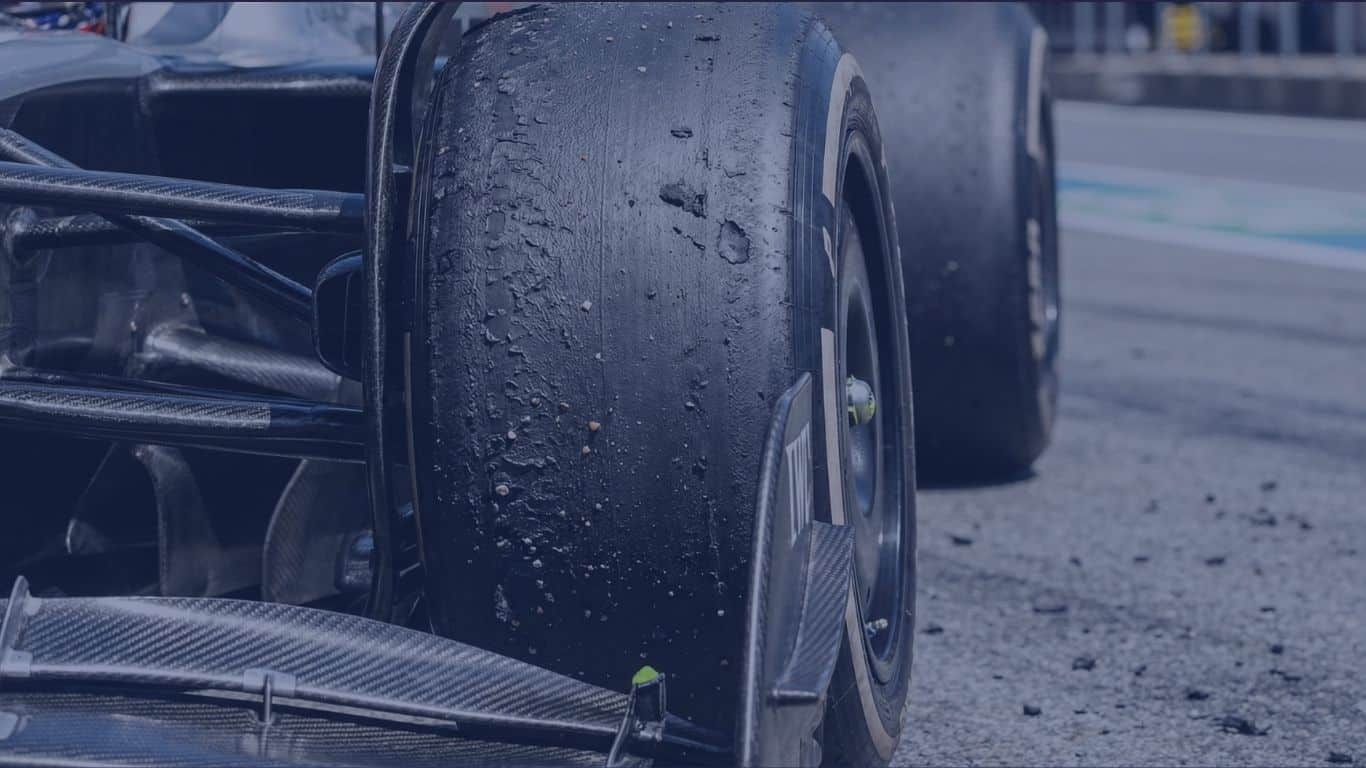
Worn Formula 1 tire showing heat degradation representing executive compound mismatch during startup scaling from Series A to Series C

The Compound Change: When Your Best Executive Becomes Your Biggest Bottleneck

The executive who saved your Series A is struggling at Series C. Same work ethic, same talent, but declining results. The problem isn't performance—it's compound mismatch. Like F1 tire compounds optimized for specific track conditions, executives are calibrated for particular organizational stages. Your Series A hire was built for chaos, improvisation, and heroic individual contribution. Series C requires systems, predictability, and scaled leadership. The conditions changed dramatically. The compound didn't. This is the compound change—the painful but necessary recognition that the executives who built your company and the executives who will scale it are often not the same people. Before your next funding round, audit your leadership team the way a race engineer audits tire strategy. The talent is rarely the problem. The conditions usually are.
January 2, 2026
F1 pit crew engineering conditions for driver success during a race pit stop

Why Executive Onboarding Fails: The Conditions Problem

Most executive onboarding fails—not because the talent is wrong, but because the conditions are. Founders treat hiring like a transaction: find the candidate, sign the offer, move on. They skip the invisible work that determines success. Engineering the right conditions means defining the founder's new role, aligning stakeholders before the executive arrives, creating a clear mandate with measurable outcomes, and structuring the first 90 days deliberately. F1 teams don't just hire drivers—they build cars, systems, and decision structures around them. The same principle applies to leadership.
January 3, 2026
Founder-CEO reaching organizational ceiling preventing company scaling and growth

When Your Founder-CEO Becomes the Ceiling

Three COOs in four years. Each one arrived with impressive credentials. Each one failed. The board kept asking: why can't we find someone who works? I've seen this movie before. The problem wasn't the COOs. The problem was the founder who hired them—and then couldn't let them do their job. The fierce control that built the company had become the bottleneck preventing it from scaling. This is The Founder's Paradox—and it's playing out in boardrooms right now. The founder isn't failing. They've succeeded themselves into a constraint. Their speed becomes the organization's speed limit. Their bandwidth becomes the capacity ceiling. Pattern recognition across two decades: the signals are visible months before the breaking point.
January 13, 2026
F1 pit stop transition moment representing the shift from founder mode to operator mode at Series B

Series B: When Founder Instincts Become Bottlenecks

Three Series B founders in Guadalajara. Each built product-market fit through sheer force of will. Each hired seasoned operators to scale what they'd created. Each watched those hires fail within nine months. The hires weren't wrong. The timing was. Founders thrive in Founder Mode—direct control, immediate decisions, instincts calibrated for chaos they can touch. But Series B shifts the conditions entirely. The founder calibrated for tight corners suddenly enters high-speed straights, still braking for corners that no longer exist. The Founder's Paradox™ names this pattern: the fierce control that built the company becomes the ceiling that prevents it from scaling. The pit window opens at Series B. Not every founder needs to step out entirely—but ignoring the calibration mismatch guarantees a revolving door of C-suite hires who "just didn't work out."
January 14, 2026
Founder contemplating next chapter while overlooking city skyline at dawn

Founder Second Act: Life After Stepping Back from CEO

What happens when the company you built no longer needs you at the controls? This guide examines how founders navigate the transition from CEO to their second act—drawing lessons from Formula 1 team owners who faced the same challenge. From Ron Dennis's cautionary tale at McLaren to Ross Brawn's masterful reinvention, discover the frameworks that separate founders who thrive after transition from those who struggle with irrelevance.
January 26, 2026
Organizational chart showing hollow middle management layer between C-suite executives and individual contributors in Series B startup

The Middle Management Void: Why Your Series B Is Stalling

our CFO spent three hours yesterday reconciling expense reports. Your VP of Engineering is personally reviewing every pull request. Your CTO is troubleshooting a customer's API integration. Welcome to Series B, where your C-suite has become the world's most overqualified middle management team. I see this pattern constantly in growth-stage companies. The org chart looks impressive. Strong executives at the top. Talented individual contributors doing the work. But between them? A hollow layer where directors and senior managers should be. McKinsey research shows investors attribute 65 percent of portfolio company failures to people and organizational issues. The most common structural failure? The missing middle. McLaren F1 spent half a decade learning this lesson the expensive way before restructuring their technical leadership. Your Series B doesn't have that kind of time.
January 28, 2026
VP Sales in chaotic founder-era conditions versus a structured, scalable sales environment

Why Your VP Sales Failed: The Setup Nobody Names

Most VP of Sales failures aren't talent failures — they're organizational failures wearing a human face. The founder succeeded despite the lack of systems. The VP Sales cannot succeed without them. Here are the four conditions that guarantee failure, and what to fix before your next hire.