Founder's Paradox Archives - Page 3 of 4 - Charlie Solórzano | The Race Conditions Model™ | U.S.-Mexico Executive Search
February 4, 2026
CEO receiving filtered information while organizational reality diverges from perceived conditions

The Chief of Staff Paradox: Leverage or Liability?

Your Chief of Staff makes you more productive. Are they making you more effective? A CoS can deliver productivity while destroying effectiveness, and most CEOs won't notice until the damage is done. Here's how to design the role for leverage, not liability.
February 6, 2026
Formula 1 pit crew changing tires during a race, illustrating how startup teams must evolve as conditions change

The Founder-Friendly Trap: When Loyalty Hurts Business

The people who built your company are not always the people who can scale it. Founders know this. Boards suspect it. Early employees feel it. And everyone keeps pretending because the alternative feels like betrayal. This article names the loyalty tax that scaling startups pay when founders confuse gratitude with governance, and explains why being truly "founder-friendly" to the business sometimes means making the hardest call about the people who got you here.

February 17, 2026
Formula 1 tire compounds displayed side by side, showing different durability profiles, illustrating how executive calibration must match organizational conditions

The CCO Resume Trap: Why Enterprise Credentials Fail

The candidates who look best on paper often struggle most in growth environments. A CCO calibrated for enterprise conditions has internalized operating assumptions that become invisible to them: decisions require consensus, resources are available, time horizons are long, and specialization is the norm. None of these is a character flaw. They're adaptations to different environments. But they predict failure when the environment changes. The question isn't whether the candidate is good. The question is whether they're calibrated for your conditions.
March 13, 2026
Pattern recognition showing predictable sequences with unpredictable individual outcomes

The Pattern Is Predictable. The Solution Rarely Is.

Early in my career, I mistook pattern recognition for authority. Twenty years taught me it's a lens, not a verdict. Predicting the pattern doesn't mean you can prescribe the solution. Here's what advisory work actually looks like after two decades.
March 13, 2026
CMO vs VP Marketing vs CGO comparison showing three different marketing leadership scopes

CMO vs VP Marketing vs CGO: Which Do You Need?

Companies hire marketing titles for the company they want to be, not the one they are. The symptom reveals the role. If output is weak, you need a VP of Marketing. If the narrative is unclear, you need a CMO. If growth stalls despite both, you need a CGO.
March 17, 2026
COO founder-led company failure pattern showing authority promised formally withdrawn informally

COO in Founder-Led Companies: Why Most Fail

A founder cannot hire a COO to take over operations they still use to prove their value. Companies don't lose COOs because the COO role is hard. They lose them because authority was promised formally and withdrawn informally.
March 18, 2026
Top seller fails as VP Sales showing different calibrations between closing deals and building sales teams

Why Top Sellers Fail as VP of Sales

Great closers optimize for personal wins. Great sales leaders build systems that win without them. Those are different calibrations, and the skills that make top sellers aren't the skills that make sales leaders. Promoting one doesn't guarantee the other.
March 27, 2026
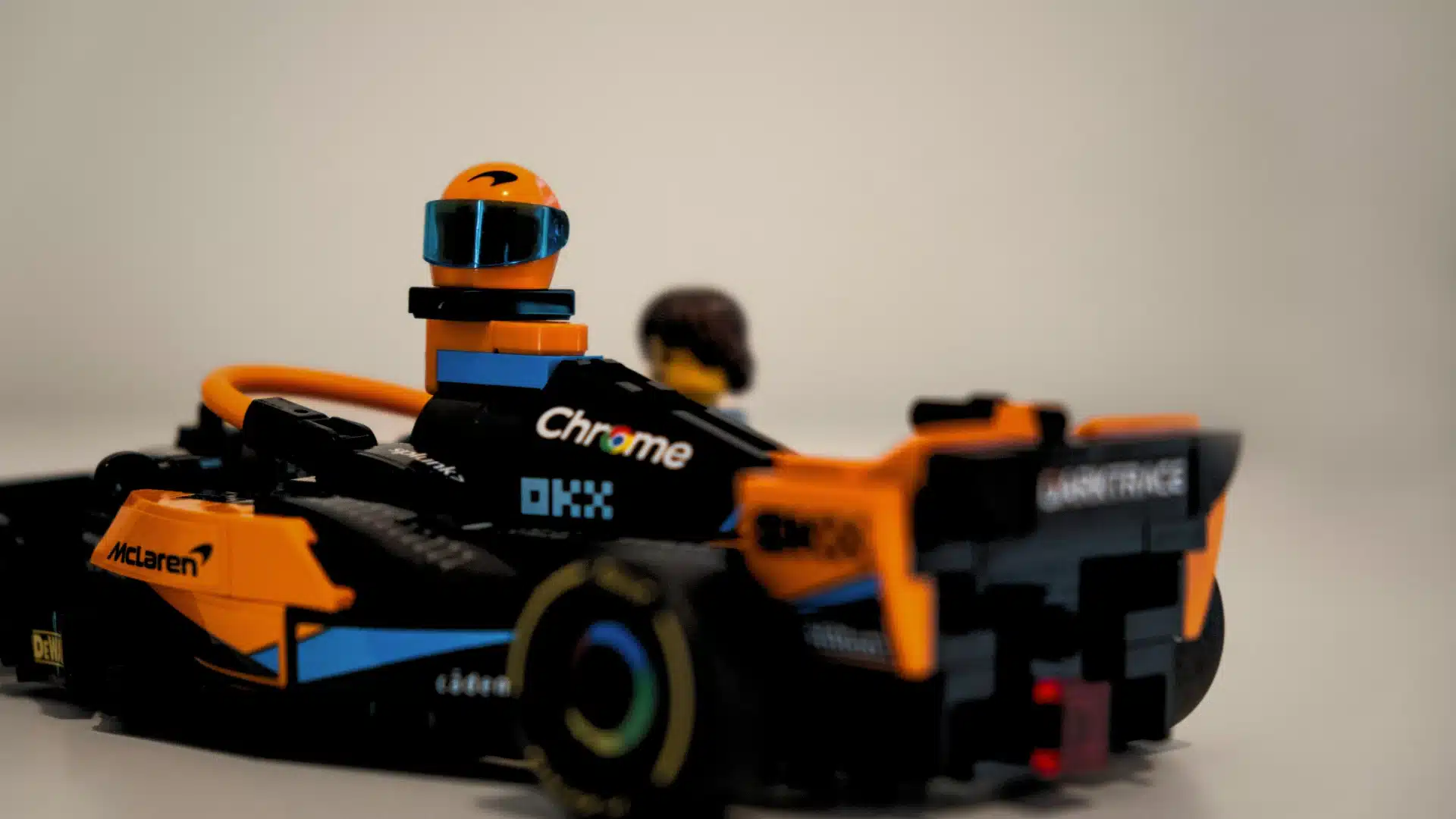
McLaren pit wall and team infrastructure illustrating how organizational systems produce on-track performance

McLaren Turnaround Zak Brown: Fix the Business First

McLaren was losing £125M a year, finishing ninth, and running out of time. Six years later, they were champions. Most people call this a turnaround. They miss how it actually happened. Zak Brown didn't start with the car. He started with everything around it: commercial stability, leadership, infrastructure, then performance. The product is the output. The organization is the system that produces it. Most companies try to fix the car. McLaren fixed the system that builds the car. That's why one wins occasionally. The other wins championships. The sequence is the strategy.
March 30, 2026
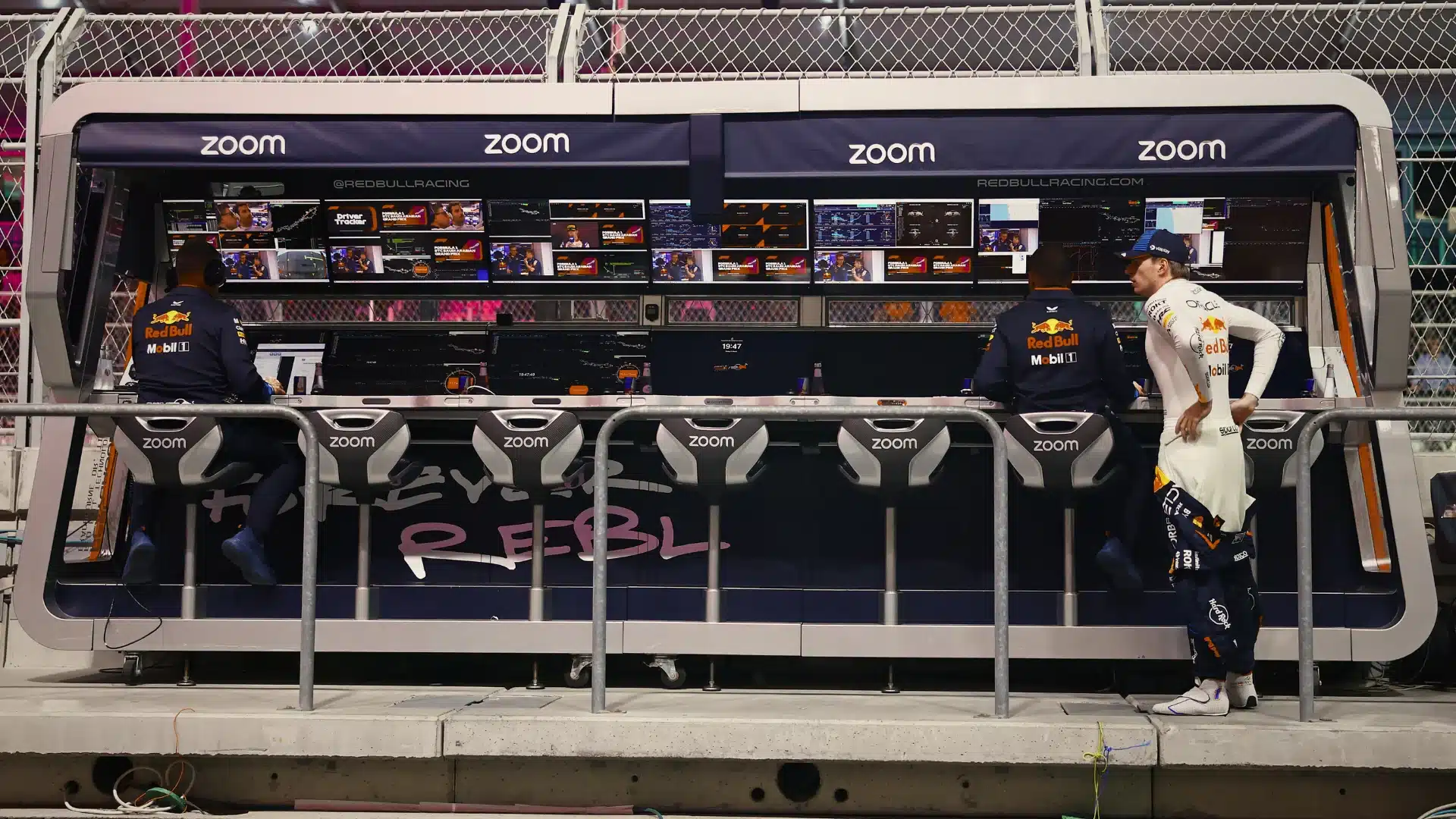
Empty pit wall station with blank label illustrating the undefined COO role in the C-suite

Does Your Company Need a COO? Probably Not. Here’s Why

The CEO said she needed a COO. What she needed was a better calendar and the discipline to stop showing up everywhere. The COO would have cost $400K. The real fix cost nothing. In about half the COO conversations I have, the company doesn't need a COO. It needs something else: a stronger functional leadership team, a chief of staff, or a CEO who learns to delegate. The COO is the most dangerously ambiguous role in the C-suite. The scope is defined entirely by subtraction: whatever the CEO won't do, can't do, or shouldn't be doing. Before you hire a COO, fix three things: your calendar, your weakest leader, and your operating rhythm. If the problem remains, you need a COO. If it doesn't, you never did.