September 14, 2026
Split turbocharger components on a workbench, symbolizing fintech leadership compliance design

Fintech Leadership Compliance: Design, Not Balance

A fintech company can hire an excellent banking executive and become slower without becoming safer — or an excellent technology executive and become faster without seeing the risk it's accumulating. This piece reframes fintech leadership compliance as an architectural problem, not a hybrid executive search, and lays out what integration actually looks like when assessing candidates.
September 16, 2026
Empty conference table set for a meeting, representing a startup advisory board that isn't used

The Startup Advisory Board That Actually Advises

Most founders can't answer a simple question: when did an advisor last say something that changed a decision you were about to make? This piece breaks down why the typical startup advisory board becomes decorative, and the four conditions — a real question, real context, early access, and permission to disagree — that determine whether independent judgment actually reaches a decision before it hardens.
September 18, 2026
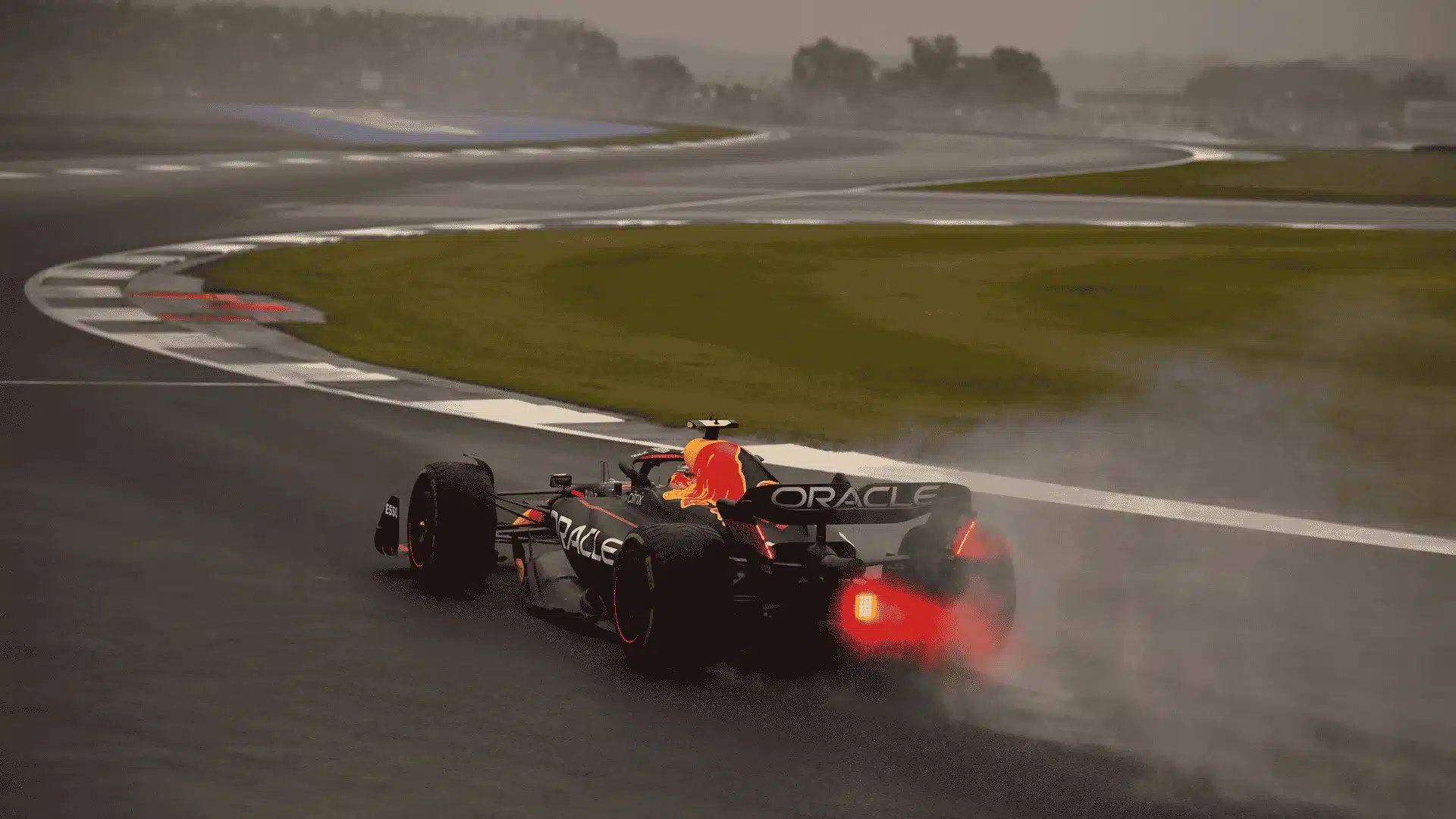
Racetrack surface at the boundary between dry and wet conditions, symbolizing the nearshoring VP of operations role

The Nearshoring VP of Operations, Defined

Most nearshoring searches stop at "bilingual English-Spanish required" — the equivalent of confirming the car has tires. This piece argues the nearshoring VP of operations role is an interface hire: someone built through years of cross-border exposure to translate judgment between local operating reality and global headquarters accountability, not just language between two teams.
September 21, 2026
Formula 1 garage with a car mid-rebuild on stands, symbolizing executive hiring readiness before results

The Right Executive Can Still Be the Wrong Next Hire

Two capable CHROs failed at the same company with the same mandate. The third succeeded — not because she was more talented, but because the organization had finally accepted what the mandate would cost. This piece on executive hiring readiness lays out three questions boards should ask about the organization, not just the candidate, before making a senior hire.
September 23, 2026
Five identical chairs arranged symmetrically around a table, representing search committee bias toward sameness

Search Committee Bias: When Agreement Isn’t Evidence

A five-person search committee met six times, interviewed twelve candidates, and reached unanimous agreement on a hire who felt familiar to every person in the room. That unanimity felt like rigor. It was closer to search committee bias — five judgments socially converging into one. This piece breaks down the three moments where committees quietly reproduce their own profile, and the process changes that protect independent judgment.
September 25, 2026
Nameplate being removed from an office door, representing a departure before an executive replacement search

Executive Replacement Search: Diagnose Before Hiring

The exit interview almost never captures why an executive really left — not because they're lying, but because candor has become expensive by the time anyone asks. This piece makes the case for treating a departure as intelligence for the executive replacement search that follows, using Daniel Ricciardo's gradually revealed reasons for leaving Red Bull as the clearest public example of how the full picture only emerges once it's safe to tell it.
September 28, 2026
One office chair empty at a desk, representing CEO succession planning in progress

CEO Succession Planning as Architecture, Not a Hire

A CEO at the peak of his company's performance called to design his own succession, not to find a replacement, but to build the conditions under which the right one would emerge, be tested, and be ready. This article breaks down what real CEO succession planning requires: defining future conditions rather than current ones, creating genuine testing assignments, benchmarking internal candidates against the external market, and transferring authority in a deliberate sequence that makes the transition irreversible.
September 30, 2026
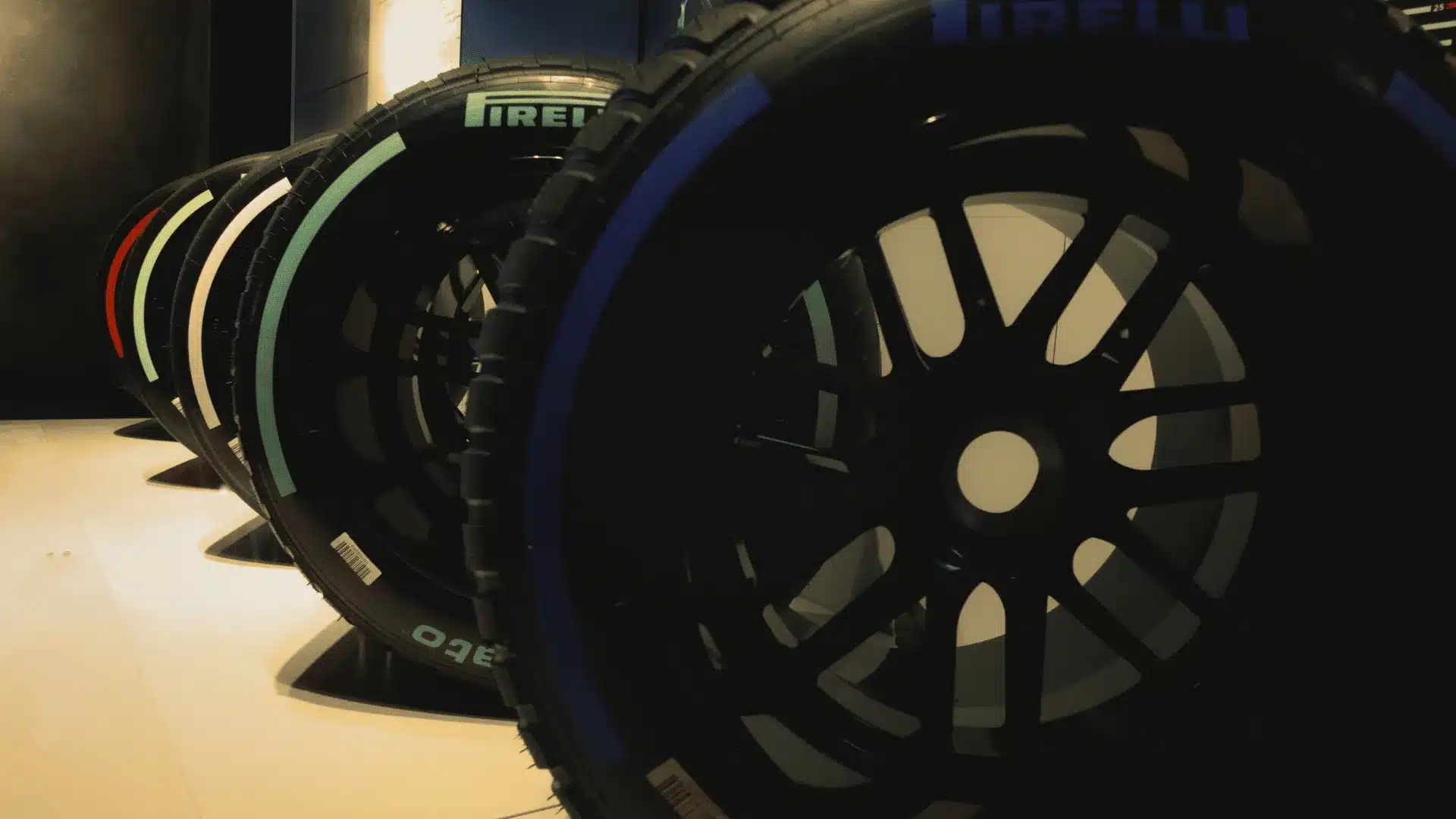
Worn Formula 1 tire resting against a pit wall, symbolizing sports executive calibration between pace and durability

Sports Executive Calibration: Pace vs. Durability

The wrong executive often delivers exactly what you asked for — just not what you needed. This piece uses Formula 1's qualifying-versus-race-distance tension to explain why sports executive calibration requires matching a candidate's natural operating tempo to the friction profile of the actual mandate, and why interviews systematically reward the wrong signal.
October 2, 2026
Silent desk phone on a busy-looking desk, representing the shift from AI and executive judgment to direction over execution

AI Eliminated the Work. It Didn’t Build the Judgment.

"I spent twelve years becoming the answer," an executive said over dinner. "Now nobody needs the answer. They need the question." This piece argues that AI hasn't promoted professionals into higher-order work — it has stripped away the execution layer's tight feedback loop and left people operating in a direction layer where consequences are ambiguous, delayed, and often invisible. It's the same transition that breaks founders trying to step back from operations, now happening to an entire generation at once.