December 1, 2025
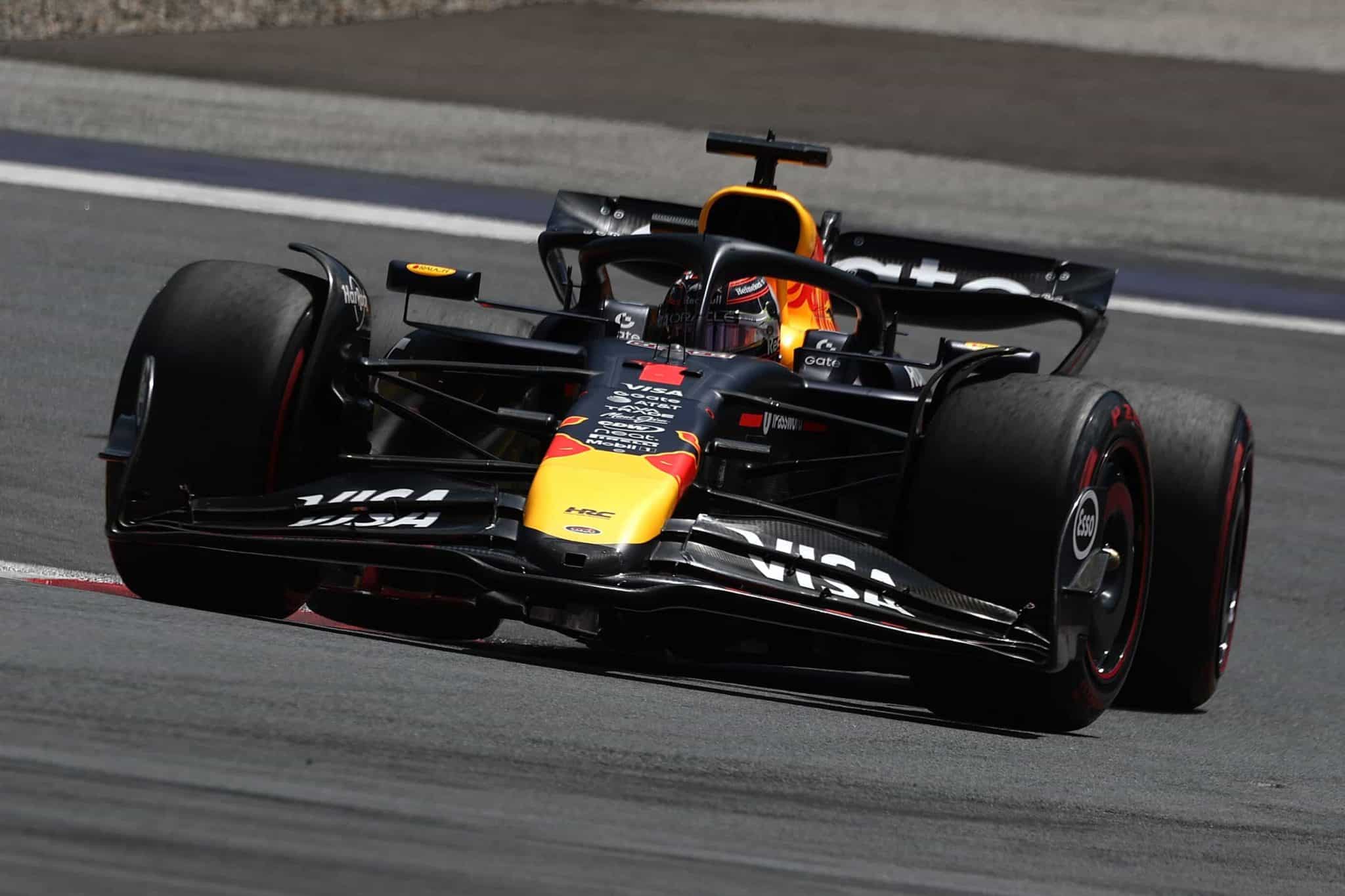
F1 race car driving through heavy rain spray creating massive water plumes, demonstrating wet weather racing challenges and the leadership skills required to excel in uncertainty

Rain Masters: Finding Executives Who Excel in Uncertainty

In Formula 1, rain separates the champions from the field. The same holds true in business—when volatility strikes, rain master executives pull away from the competition. Learn how to identify and recruit leaders who thrive in uncertainty, drawing lessons from Senna, Hamilton, and the greatest wet-weather drivers. A guide to VUCA leadership and executive search.
December 5, 2025
Formula 1 cars on formation lap weaving to warm tires before race start, illustrating the critical preparation phase that mirrors executive onboarding's first 90 days.

Formation Lap Lessons: The Critical 90 Days of Executive Onboarding

Before the green flag drops in Formula 1, drivers complete a formation lap that's anything but ceremonial. They're warming tires, testing grip, assessing conditions, and gathering intelligence that will determine race strategy. Your new executive's first 90 days serve the same purpose—yet most companies treat onboarding like a parade lap rather than a strategic preparation phase. Here's how to fix that.
December 12, 2025
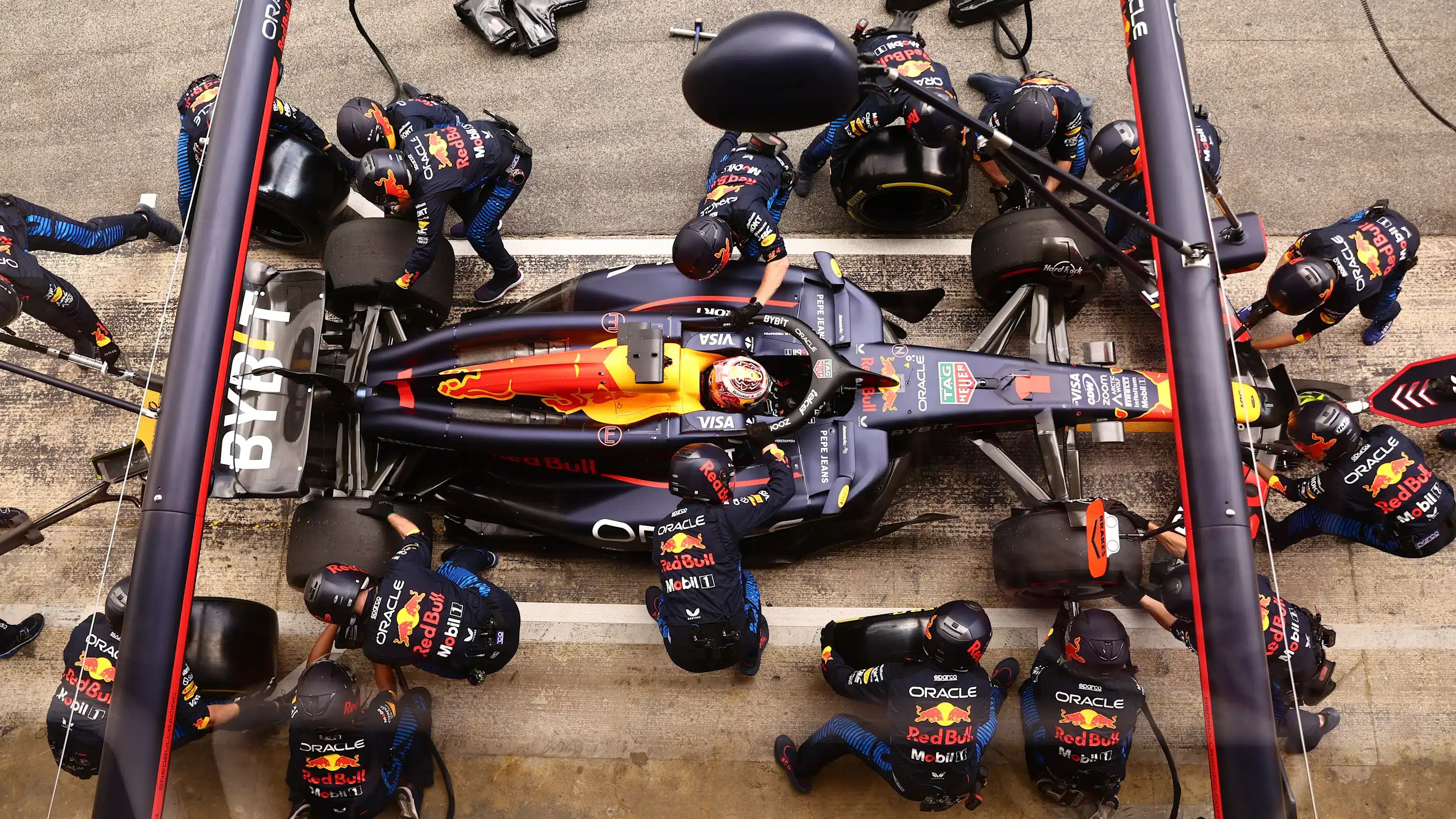
Formula 1 Red Bull Racing pit crew performing precise tire change demonstrating strategic timing for executive hiring decisions

Undercut or Overcut? Strategic Timing for Your First C-Suite Hire

Founders often miss the optimal 'pit window' for C-suite hires, hiring either too early (the premature undercut) or too late (the catastrophic overcut). Learn to read your company's track conditions using F1 strategy to determine exactly when to bring in your first CFO, CMO, or COO based on revenue milestones, not emergencies.
December 13, 2025
F1 Constructor and Driver Championships representing when to hire Chief Product Officer for systems thinking

When to Hire Your 1st CPO: Constructor Championship Thinking

Here's the pattern I see with technical founders: they built the product, they own the vision, they make every major product decision. Then one day, they're managing three product lines, two customer segments, and five product managers—and they've become the bottleneck. In Formula 1, there are two championships running simultaneously. The Drivers' Championship crowns individual brilliance. The Constructors' Championship crowns the team that built the best system. Early-stage startups are driver championships—founder vision wins. But at scale, you need constructor championship thinking. The product system wins, not just the founder's instinct. Most founders miss this transition. They keep driving when they should be building the constructor. The signal isn't headcount or funding round—it's strategic timespan. When your product decisions shift from 3-month feedback loops to 3-year bets, you've crossed the threshold. That's when you need a Chief Product Officer.
December 19, 2025
Frank Williams, during Williams Racing dominance, contrasted with Claire Williams during the team's succession crisis, showing family business transition failure

The Williams Tragedy: What Every Founder Can Learn from F1’s Saddest Succession Story

July 2021. Sir Frank Williams watched his team race for the last time under family ownership. After 43 years and nine Constructors' Championships, Williams Racing was being sold. This wasn't retirement—it was surrender. The team that had dominated F1 finished 2020 dead last with zero points. When Frank tried to pass the team to his daughter Claire, the transition nearly destroyed what he'd spent decades creating. This is one of racing's saddest stories—and one of business's most instructive. Frank Williams didn't fail to build a great team. He failed to create the conditions for succession to work. Five critical mistakes—confusing family relations with readiness, failing to transfer key relationships, and never building institutional governance—cost his family everything. Here's what every founder can learn from F1's greatest succession tragedy.
December 24, 2025
Founder at whiteboard unable to fully hand off to executive seated at conference table representing delegation readiness gap

The Founder Who Said They Were Ready (They Weren’t)

Three COOs in four years. Each one talented. Each one failed. The pattern wasn't in the candidates—it was in a founder who genuinely meant it when he said he was ready to step back, but couldn't yet do what he meant. This article reveals the five behavioral signals that distinguish founders who are actually ready to delegate from those who just think they are. Learn why intention without evidence guarantees failure, what questions to ask before any senior search, and how to diagnose founder phase before another executive's career becomes a casualty of unexamined conditions.
December 25, 2025
US-Mexico cross-border executive search and leadership placement connecting American and Mexican business markets in 2026

Executive Search 2026 US-Mexico Cross-Border Trends

The executive search market enters 2026 at an inflection point. While most firms focus on CEO churn and AI adoption, a structural shift in Mexico's labor landscape is creating asymmetric opportunity for advisors with cross-border expertise. Mexico's phased work week reduction from 48 to 40 hours—beginning May 2026—will reshape compensation models, productivity requirements, and leadership competencies across US-Mexico operations. Organizations need executives who can navigate both regulatory environments while building high-performance teams under resource constraints. Pattern recognition trained across decades reveals who will capture value: boutique specialists with deep domain expertise, cultural fluency, and advisory-led positioning.
December 26, 2025
Private equity deal room with financial metrics and leadership assessment frameworks representing condition diagnosis during due diligence

Reading Race Conditions in Private Equity: A Portfolio Leadership Playbook

The management team looked strong on paper. Eighteen months post-close, the value-creation plan stalled. The deal team had assessed the talent—nobody had diagnosed the conditions. This playbook applies the Race Conditions Model to private equity: five organizational conditions that predict whether leadership will succeed or fail under PE ownership. For deal teams during diligence and operating partners post-close, condition diagnosis transforms management assessment from credential review to structural reality. The talent is rarely the problem. The conditions usually are.
December 29, 2025
F1 pit wall with team leadership analyzing different data representing board and founder seeing same situation differently

When the Board Wants the Wrong Hire (And How to Navigate It)

The pattern repeats: founder wants scrappy, board wants pedigree, everyone compromises on someone in the middle. Eighteen months later, the hire is gone and everyone blames everyone else. Red Bull and Mercedes F1 just demonstrated what happens when ownership and operations pull in different directions. The fix isn't winning more arguments with your board. It's having better arguments earlier. Align on what you're solving for before the search begins. Define success concretely. Then find the person who fits that definition, regardless of whose preference they validate.