January 1, 2026
Race driver stationary in pit lane while competitors pass on track, representing the cost of accepting a counter-offer while career momentum moves on

The Counter-Offer Trap Why Staying Never Fixes What Made You Leave

You've done the work. Months of quiet searching. Four rounds of interviews. You received an offer that validates everything you suspected: you're worth more than what you're being paid. Then your employer makes a counter-offer, and suddenly everything changes. The raise that wasn't in the budget materializes from nowhere. The promotion that "wasn't in the cards" appears overnight. Research shows that between 50% and 80% of people who accept counter-offers leave within six months anyway. The structural conditions that pushed you toward the door remain unchanged. More money doesn't fix a broken relationship with leadership. A better title doesn't repair a culture that doesn't value your contributions. The counter-offer isn't an investment in your future. It's a tactical response to an inconvenient situation.
January 2, 2026
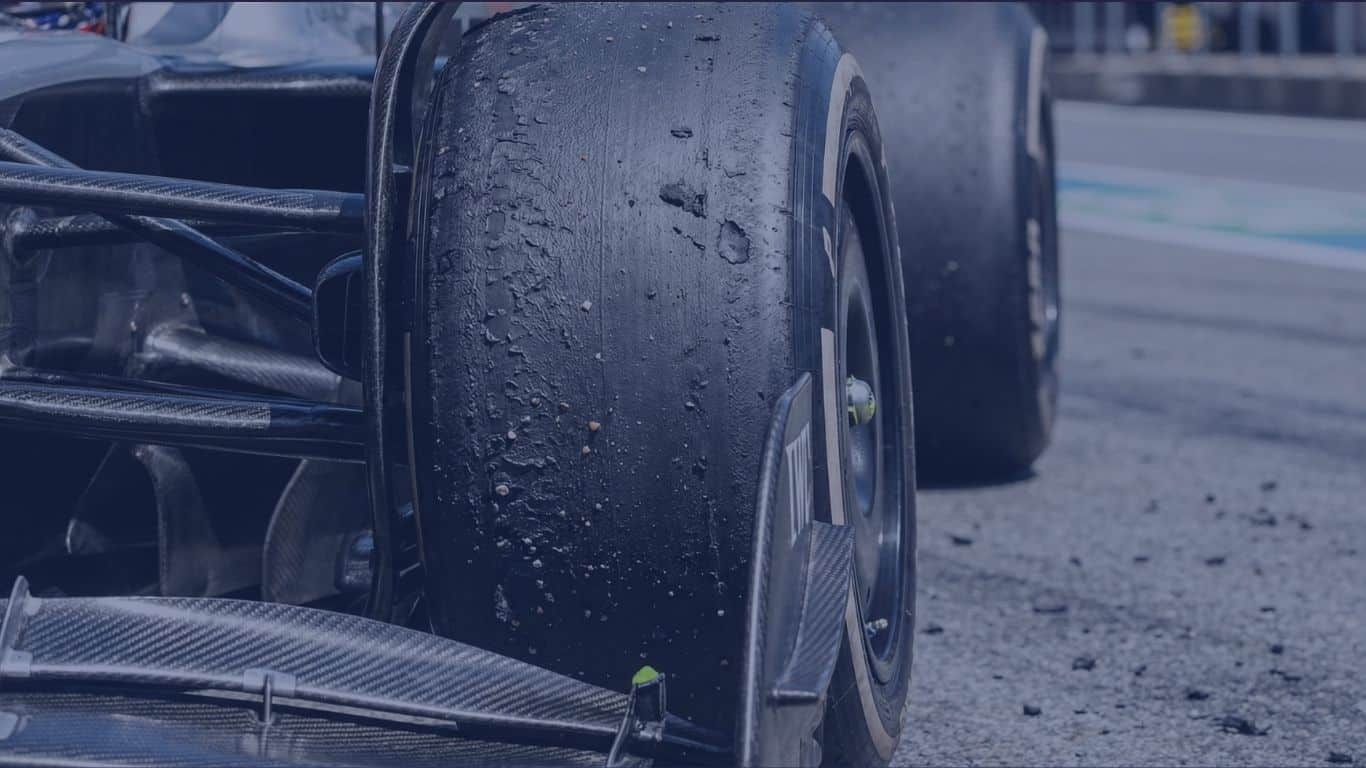
Worn Formula 1 tire showing heat degradation representing executive compound mismatch during startup scaling from Series A to Series C

The Compound Change: When Your Best Executive Becomes Your Biggest Bottleneck

The executive who saved your Series A is struggling at Series C. Same work ethic, same talent, but declining results. The problem isn't performance—it's compound mismatch. Like F1 tire compounds optimized for specific track conditions, executives are calibrated for particular organizational stages. Your Series A hire was built for chaos, improvisation, and heroic individual contribution. Series C requires systems, predictability, and scaled leadership. The conditions changed dramatically. The compound didn't. This is the compound change—the painful but necessary recognition that the executives who built your company and the executives who will scale it are often not the same people. Before your next funding round, audit your leadership team the way a race engineer audits tire strategy. The talent is rarely the problem. The conditions usually are.
January 2, 2026
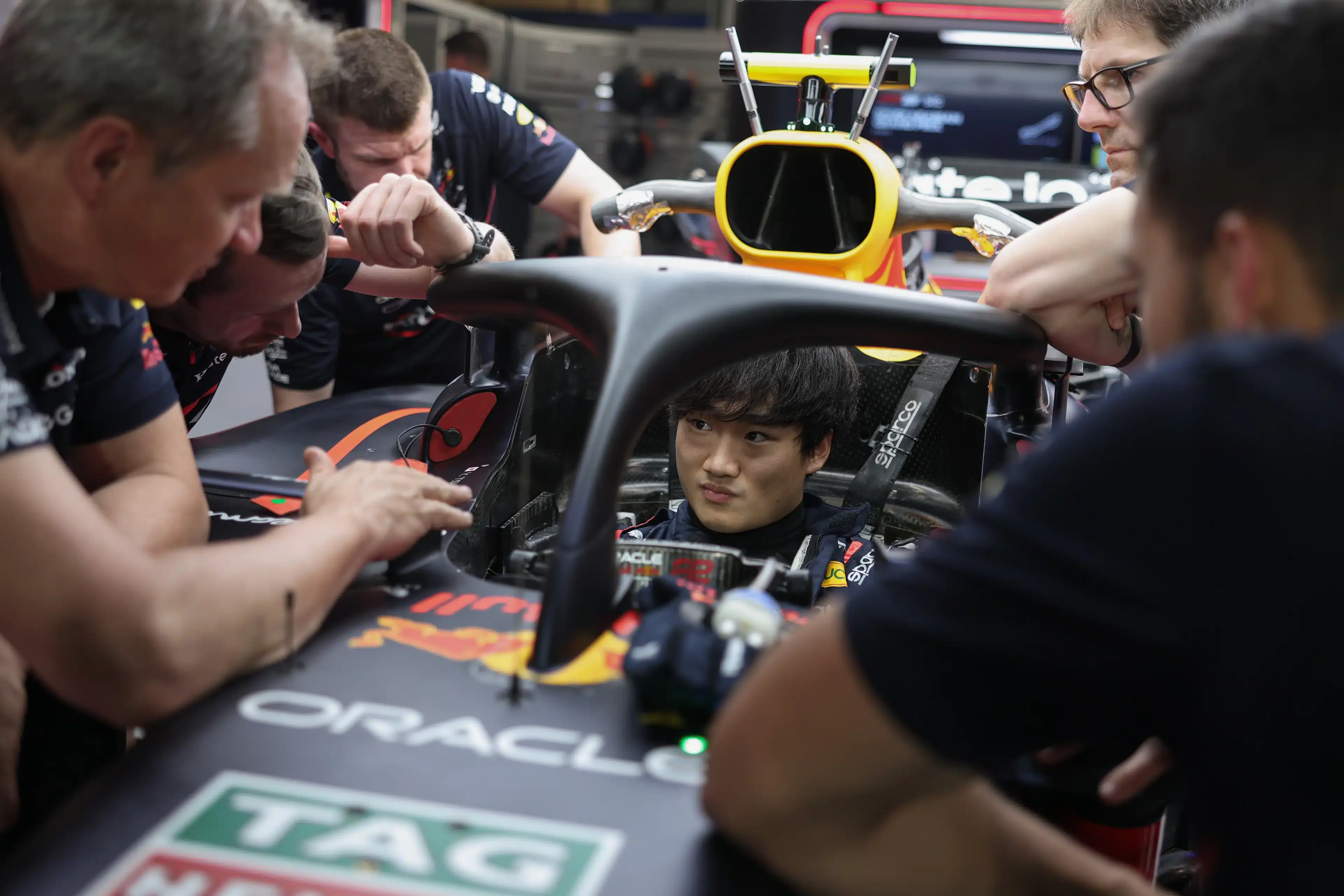
F1 pit crew engineering conditions for driver success during a race pit stop

Why Executive Onboarding Fails: The Conditions Problem

Most executive onboarding fails—not because the talent is wrong, but because the conditions are. Founders treat hiring like a transaction: find the candidate, sign the offer, move on. They skip the invisible work that determines success. Engineering the right conditions means defining the founder's new role, aligning stakeholders before the executive arrives, creating a clear mandate with measurable outcomes, and structuring the first 90 days deliberately. F1 teams don't just hire drivers—they build cars, systems, and decision structures around them. The same principle applies to leadership.
January 3, 2026
Founder-CEO reaching organizational ceiling preventing company scaling and growth

When Your Founder-CEO Becomes the Ceiling

Three COOs in four years. Each one arrived with impressive credentials. Each one failed. The board kept asking: why can't we find someone who works? I've seen this movie before. The problem wasn't the COOs. The problem was the founder who hired them—and then couldn't let them do their job. The fierce control that built the company had become the bottleneck preventing it from scaling. This is The Founder's Paradox—and it's playing out in boardrooms right now. The founder isn't failing. They've succeeded themselves into a constraint. Their speed becomes the organization's speed limit. Their bandwidth becomes the capacity ceiling. Pattern recognition across two decades: the signals are visible months before the breaking point.
January 6, 2026
Cross-Border Leadership Nearshoring Gap: F1 pit wall telemetry screens displaying US-Mexico cross-border corridor map representing leadership strategy gap in nearshoring operations

U.S.-Mexico Nearshoring: When Freight Outpaces Leadership

Cross-border truck freight from Mexico to the U.S. is up 15% year over year. Shippers have learned to treat blockades, cargo theft, and tariff exposure as conditions to manage, not reasons to retreat. The logistics teams have graduated from firefighting to systems management. The leadership architecture hasn't made the same leap.
January 9, 2026
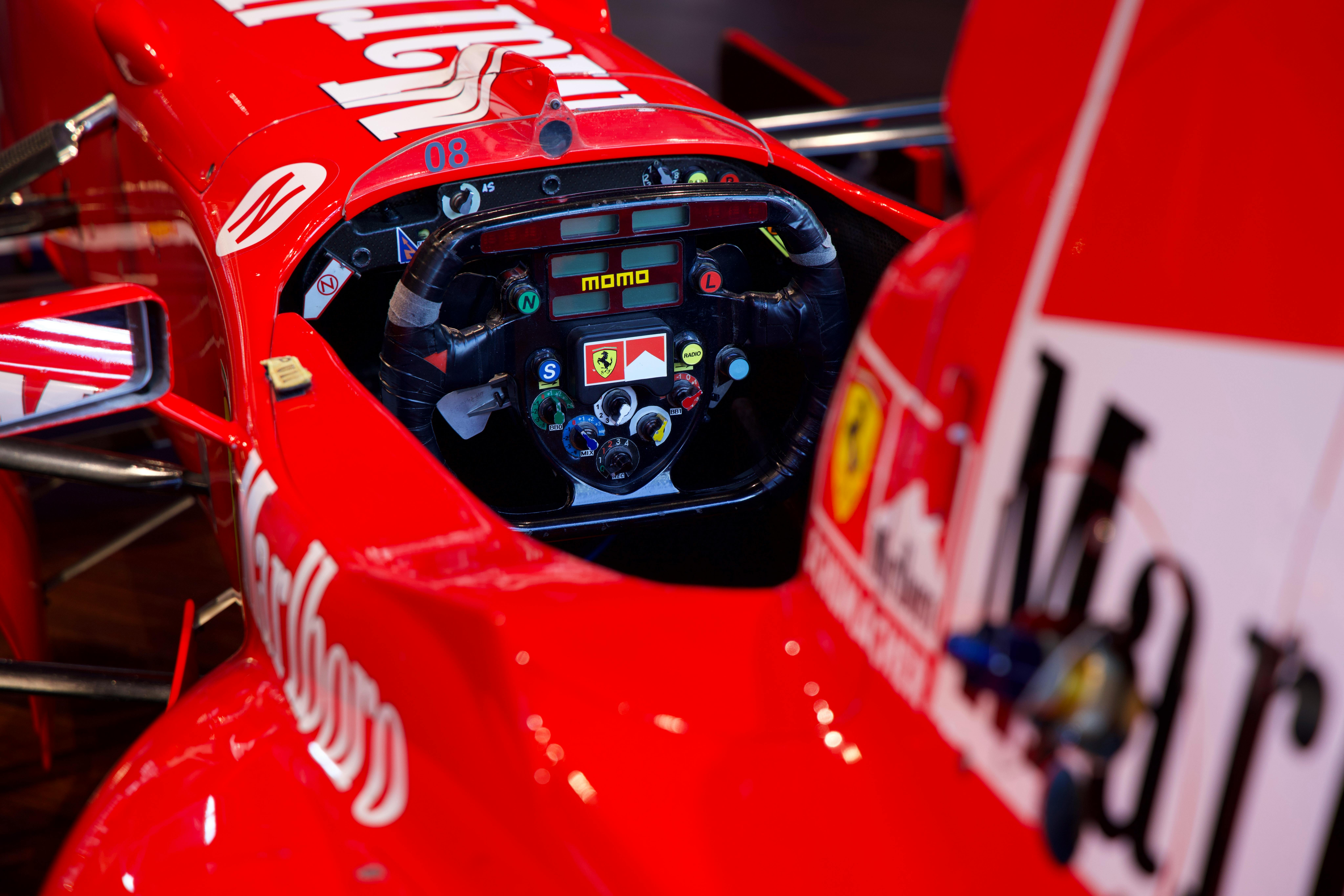
F1 driver cockpit view showing calibration instruments and telemetry representing The Driver Calibration framework for executive assessment

The Driver Calibration: Why Executive Success Has Nothing to Do With Talent

Fernando Alonso never won another championship after leaving McLaren-Honda. Not because his talent changed—because he never found conditions that matched his calibration perfectly. The same pattern repeats in executive placement: brilliant leaders who thrived at one company struggle at the next. The resume looks identical. The talent is unchanged. But the fit disappeared. The Driver Calibration™ framework reveals why: executives aren't "good" or "bad"—they're calibrated for specific organizational conditions. Put them in conditions that match their Operating Horizon and they achieve flow state. Put them in mismatched conditions and they burn out or check out, regardless of credentials. Traditional hiring asks "Can this person do the job?" Calibration-informed hiring asks "Is this person calibrated for the conditions this role creates?" The difference isn't semantic—it's diagnostic. Understanding Operating Horizons, Complexity Bandwidth, and the Flow/Redline/Idle dynamic transforms how you evaluate executive talent. The talent is rarely the problem. The calibration match usually is.
January 12, 2026
F1 track boundary lines guiding high-performance racing, representing how clear cultural track limits enable cross-border executive success

Track Limits in Cross-Border Operations US vs. Mexico Cultural Boundaries

What if your VP Operations isn't failing because she lacks talent—but because the track limits disappeared at the border? US executives operate in documented boundary systems—RACI charts, explicit decision rights, formal authority transfers. Mexican business culture relies on relational architecture—trust-based authority, credibility built over time, decision rights that emerge through demonstrated judgment. When US companies expand south without translating their boundary systems, they create dangerous conditions: executives with formal authority but no relational foundation. The result is predictable—hesitation, stalled decisions, frustrated founders, and confused executives. Cross-border track limits require translation, not just documentation. Build hybrid boundary architecture by making invisible differences visible, investing in relational foundation-building, creating bridge protocols, and assigning cultural translators who've operated successfully in both environments.
January 13, 2026
F1 pit stop transition moment representing the shift from founder mode to operator mode at Series B

Series B: When Founder Instincts Become Bottlenecks

Three Series B founders in Guadalajara. Each built product-market fit through sheer force of will. Each hired seasoned operators to scale what they'd created. Each watched those hires fail within nine months. The hires weren't wrong. The timing was. Founders thrive in Founder Mode—direct control, immediate decisions, instincts calibrated for chaos they can touch. But Series B shifts the conditions entirely. The founder calibrated for tight corners suddenly enters high-speed straights, still braking for corners that no longer exist. The Founder's Paradox™ names this pattern: the fierce control that built the company becomes the ceiling that prevents it from scaling. The pit window opens at Series B. Not every founder needs to step out entirely—but ignoring the calibration mismatch guarantees a revolving door of C-suite hires who "just didn't work out."
January 14, 2026
Founder contemplating next chapter while overlooking city skyline at dawn

Founder Second Act: Life After Stepping Back from CEO

What happens when the company you built no longer needs you at the controls? This guide examines how founders navigate the transition from CEO to their second act—drawing lessons from Formula 1 team owners who faced the same challenge. From Ron Dennis's cautionary tale at McLaren to Ross Brawn's masterful reinvention, discover the frameworks that separate founders who thrive after transition from those who struggle with irrelevance.