February 24, 2026
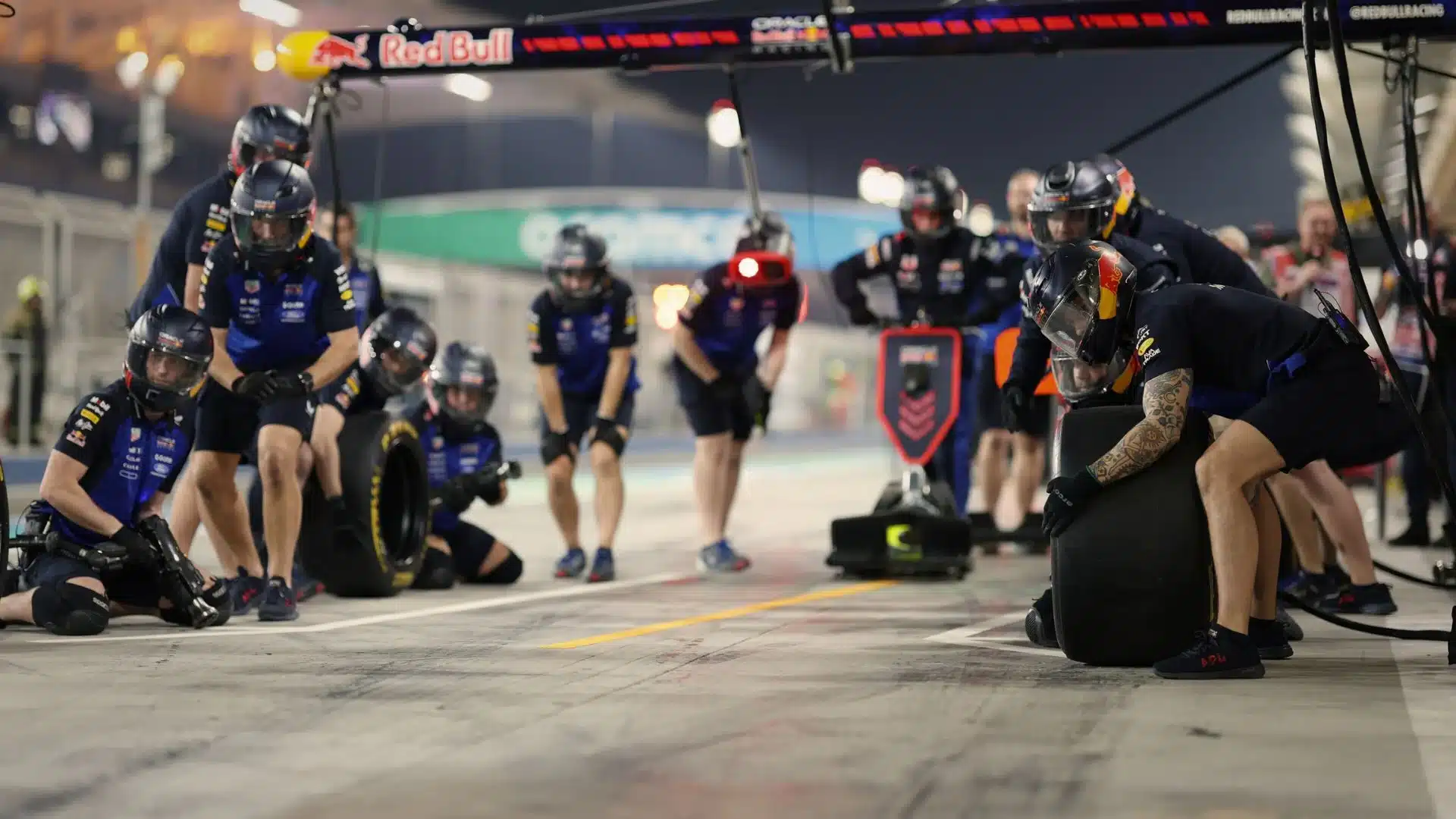
F1 car performance varying based on track conditions rather than driver capability

Why Executives Fail: Conditions vs Talent

Most executive failure is misdiagnosed. We assume the problem is talent and prescribe a replacement search. Often the problem is conditions. Before you search for a faster car, ask whether you're reading the track correctly.
February 25, 2026
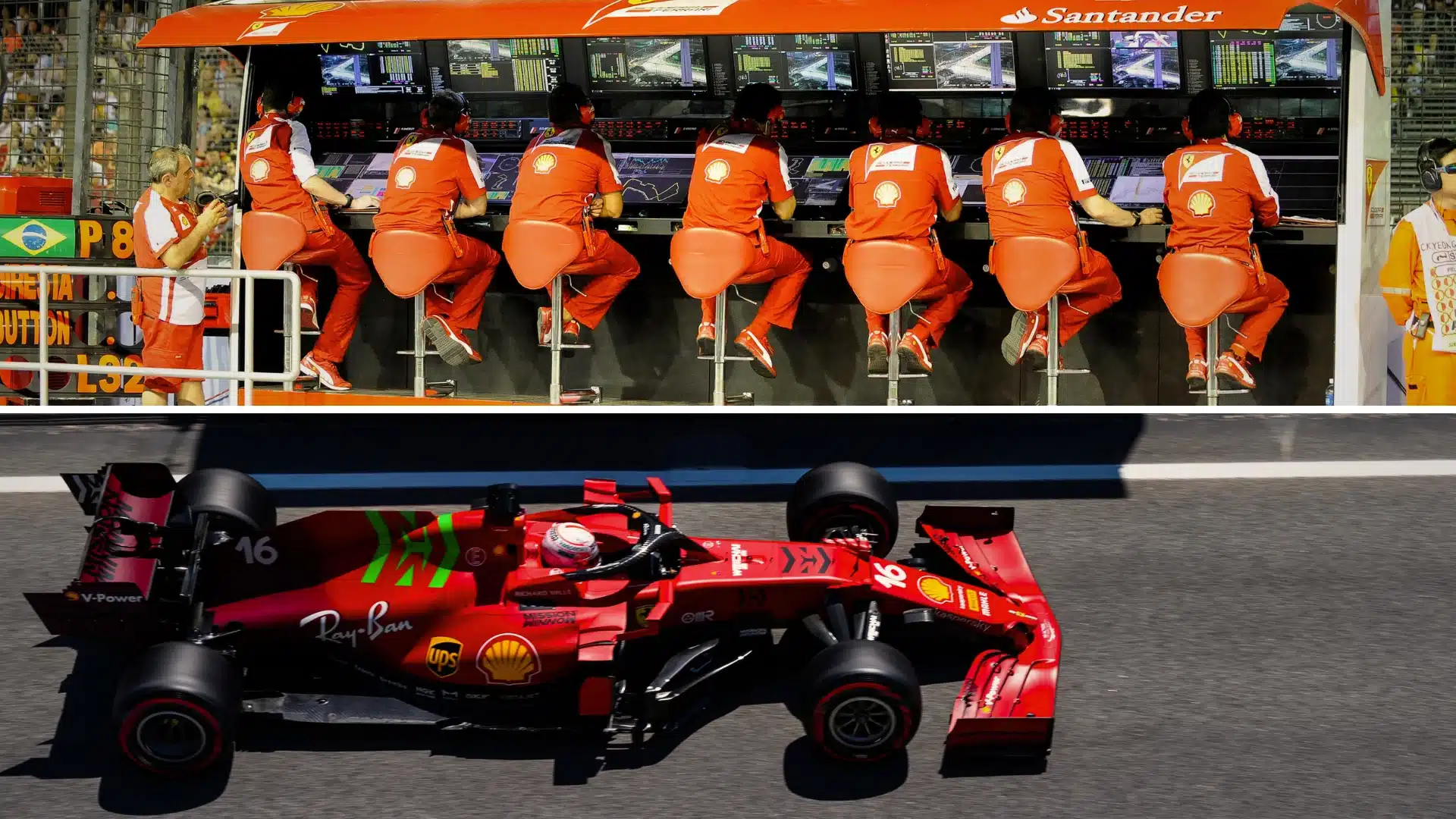
CFO hiring timing window showing too early vs too late failure patterns

The CFO Who Arrived Too Early (And Too Late)

The board says it's time for a real CFO. The company isn't ready — or it's already too late. The wrong CFO at the right time can work. The right CFO at the wrong time almost never does. Here's how to find the window.
March 4, 2026
CHRO vs VP HR vs CPO comparison showing three different people leadership operating horizons

CHRO vs VP HR vs CPO: What’s the Real Difference?

The title was Chief People Officer. The first assignment was fixing payroll. The title reveals what the CEO aspires to, not what the company needs. This is a calibration problem disguised as branding.
March 20, 2026
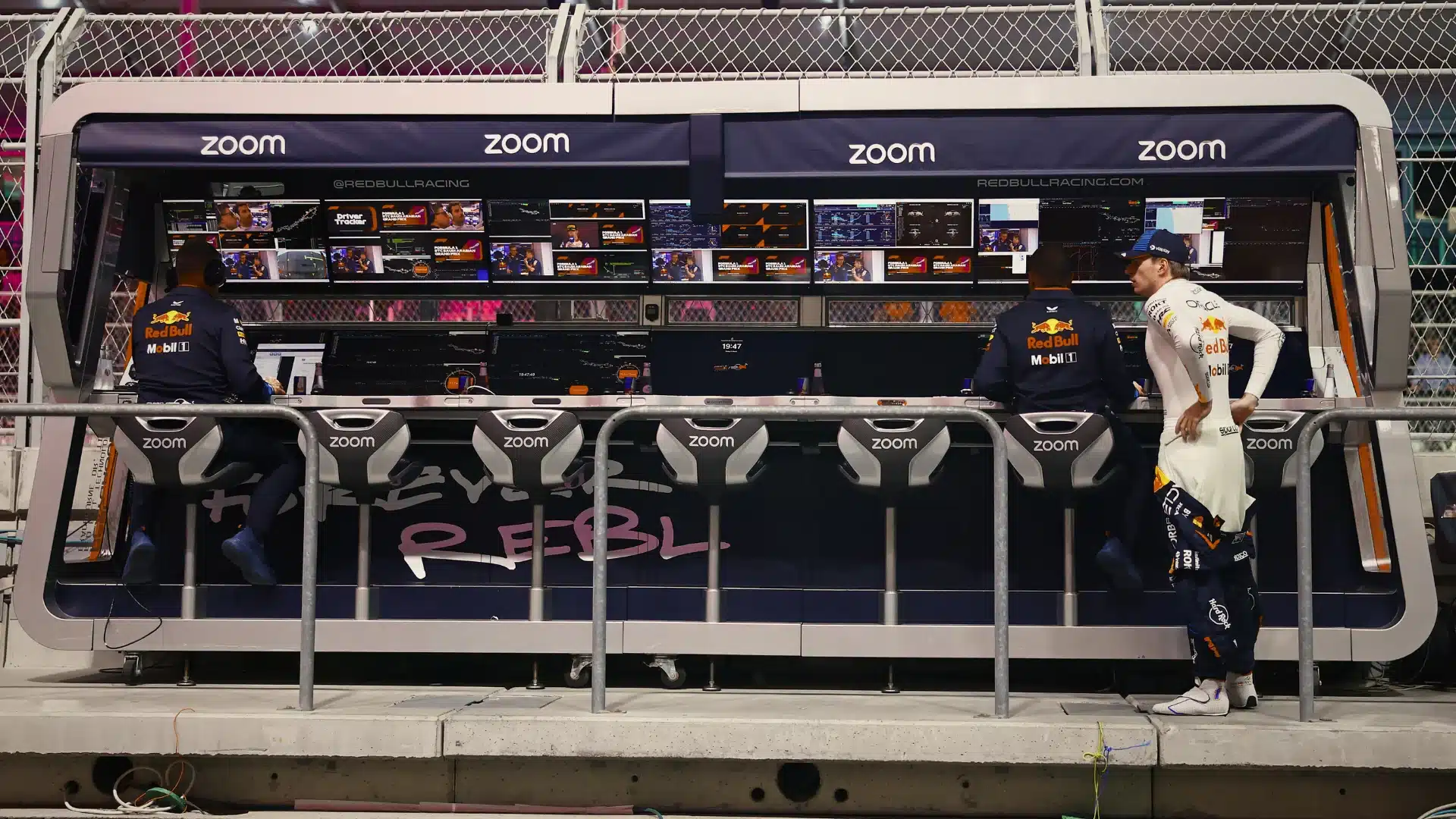
F1 pit wall telemetry screens illustrating diagnostic depth in executive search versus firm size

Boutique vs Large Executive Search Firms: Wrong Question

The executive search industry frames the decision as boutique vs. large. Specialized vs. global. Hands-on vs. infrastructure. And it's the wrong question. After twenty years placing C-suite leaders across U.S. and Mexico markets, the variable that predicts search success isn't firm size. It's diagnostic depth. Whether someone reads the conditions before running names. When leadership hires fail, the postmortem rarely blames the firm's size. It reveals that nobody mapped the founder's operating reality, the board's actual authority, or the decision boundaries the new leader inherited. Those are conditions problems, not candidate problems. Both models produce good outcomes. Both produce failures. The difference is what happens before the first candidate is sourced. The question isn't "boutique or big?" It's: does this partner understand the conditions my next leader will face?
March 23, 2026
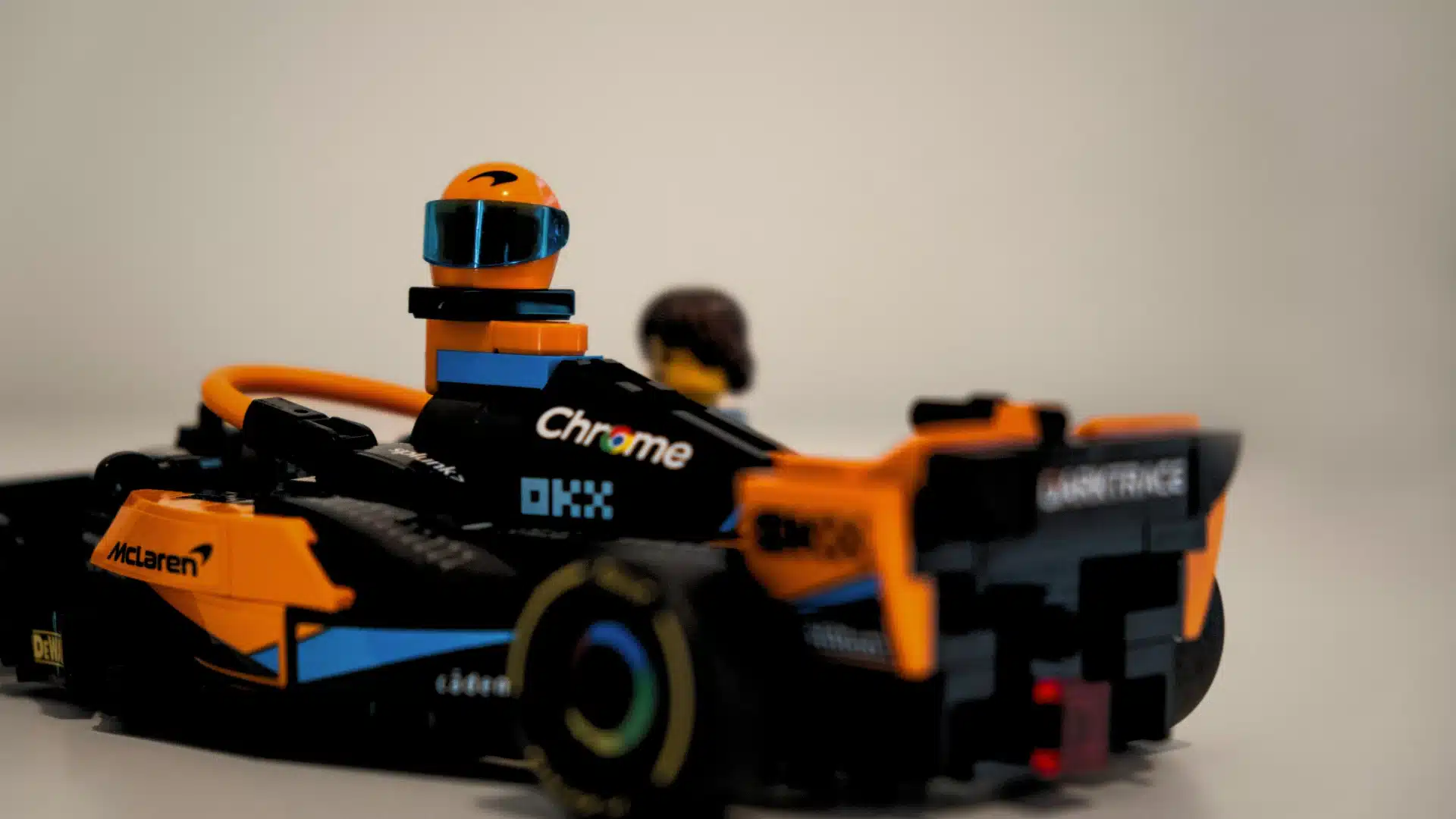
F1 car in full race configuration versus bare chassis illustrating enterprise vs startup sales conditions

Enterprise Sales Hire Startup Failure: Wrong Conditions

She had fifteen years of enterprise sales leadership at companies everyone recognizes. She brought playbooks, process, and a Rolodex. She also brought a burn rate your Series B couldn't survive. Growth-stage companies hire enterprise sales leaders because experience feels like insurance. It isn't. Experience in different conditions is different experience, and the transfer rate is lower than boards assume. The failure lives in the assumption that capability in one set of conditions predicts capability in another. Enterprise sales optimizes a machine. Growth-stage sales builds one. Same title. Different physics. Before hiring the impressive résumé, ask the simpler question: have they done it with nothing?
March 25, 2026
Founder painting over a CMO's finished brand strategy illustrating founder brand attachment conflict

Founder CMO Conflict: Why Marketing Leaders Keep Leaving

He hired a CMO to own the brand. Then rewrote every headline, vetoed every campaign, and redesigned the logo twice. The CMO wasn't leading marketing. They were managing the founder. Founder-led companies produce the highest CMO turnover rate of any company type. Not because they hire bad CMOs. Because the conditions make effective marketing leadership nearly impossible until the founder resolves something that has nothing to do with marketing. The brand is the founder's public identity. Until the founder lets go of the brand as identity, the CMO is just a translator with no authority. Different CMOs. Same outcome.
March 27, 2026
McLaren pit wall and team infrastructure illustrating how organizational systems produce on-track performance

McLaren Turnaround Zak Brown: Fix the Business First

McLaren was losing £125M a year, finishing ninth, and running out of time. Six years later, they were champions. Most people call this a turnaround. They miss how it actually happened. Zak Brown didn't start with the car. He started with everything around it: commercial stability, leadership, infrastructure, then performance. The product is the output. The organization is the system that produces it. Most companies try to fix the car. McLaren fixed the system that builds the car. That's why one wins occasionally. The other wins championships. The sequence is the strategy.
March 30, 2026
Empty pit wall station with blank label illustrating the undefined COO role in the C-suite

Does Your Company Need a COO? Probably Not. Here’s Why

The CEO said she needed a COO. What she needed was a better calendar and the discipline to stop showing up everywhere. The COO would have cost $400K. The real fix cost nothing. In about half the COO conversations I have, the company doesn't need a COO. It needs something else: a stronger functional leadership team, a chief of staff, or a CEO who learns to delegate. The COO is the most dangerously ambiguous role in the C-suite. The scope is defined entirely by subtraction: whatever the CEO won't do, can't do, or shouldn't be doing. Before you hire a COO, fix three things: your calendar, your weakest leader, and your operating rhythm. If the problem remains, you need a COO. If it doesn't, you never did.
April 1, 2026
CFO search interview questions showing credential checklist versus judgment assessment

CFO Search: Why Committees Ask the Wrong Questions

Every CFO can answer "Tell me about your experience managing a P&L." That's the problem. Search committees assess credentials while the role demands judgment. The credentials are real. The hire still fails. Change the questions, and the signal changes.