May 22, 2025
F1 grid position representing how executive talent performs differently at various company stages from Series A to Series C

Why Your Series A Hire Failed at Series C (And How to Avoid It)

The VP who crushed it at Series A is drowning at Series C. Most founders blame the executive for "hitting their ceiling." But the pattern I've seen across 20+ years tells a different story. Like Red Bull F1's habit of promoting drivers too early, the problem isn't talent. Gasly won at Monza after being demoted. Sainz became a Ferrari race winner after Red Bull passed him over. The same talent at the right level succeeds. This article breaks down why stage mismatch happens, the warning signs you're missing, and how to hire executives who scale with your company.
July 15, 2025
CEO conducting exploratory interview with executive candidate, demonstrating inverse funnel approach where senior leaders meet candidates early to assess transformational potential before HR screening eliminates unconventional talent

Why CEOs Meet Their Best Hires Too Late (And How to Fix It)

Red Bull Racing doesn't let pit crew mechanics decide which drivers to sign. Mercedes doesn't let the catering team screen candidates for Lewis Hamilton's replacement. Yet most CEOs let HR departments—people who've never run a P&L, managed a board, or navigated a company through crisis—eliminate candidates for their next CFO, COO, or VP of Operations before the CEO ever meets them. Here's the uncomfortable truth: By the time you meet executive candidates, the best ones are already gone. Not because they weren't qualified. Not because they weren't interested. But because someone three levels below you—using a resume screening checklist built for hiring customer service reps—decided they "weren't a fit."
August 22, 2025
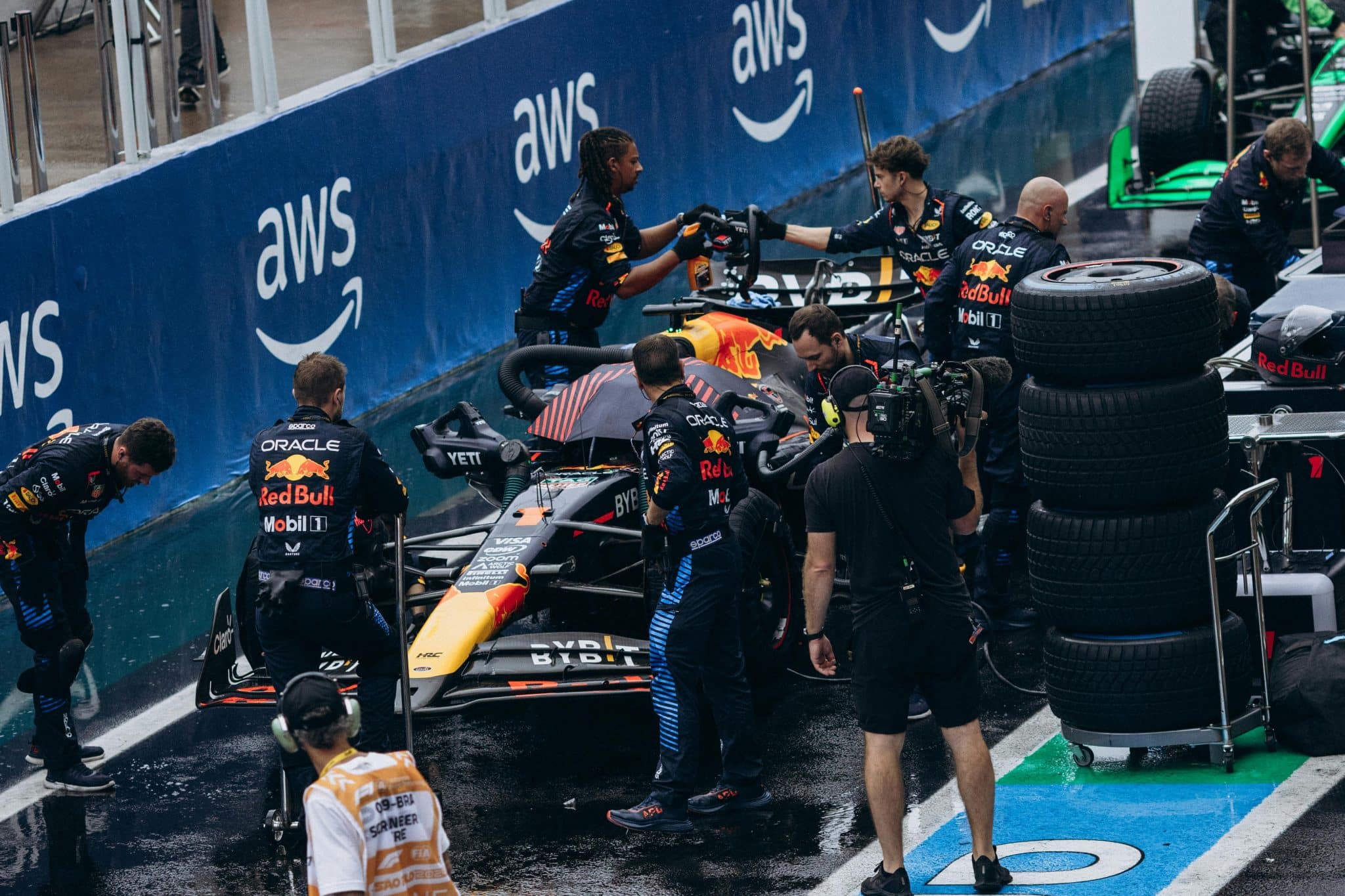
F1 pit stop tire change representing the critical Series B transition from founder mode to operator mode in startup leadership

Founder Mode vs. Operator Mode: Why Series B Is the Breaking Point

Paul Graham's "Founder Mode" essay went viral, but it frames the wrong question. The choice isn't founder mode versus operator mode. It's knowing when to shift between them. For most startups, that shift happens at Series B, where 35% of companies fail. Drawing lessons from Mercedes F1's 2022 transformation and McLaren's decade-long turnaround under Zak Brown, this article explores why Series B is the breaking point and how founders can build leadership teams that scale without losing their vision.
October 5, 2025
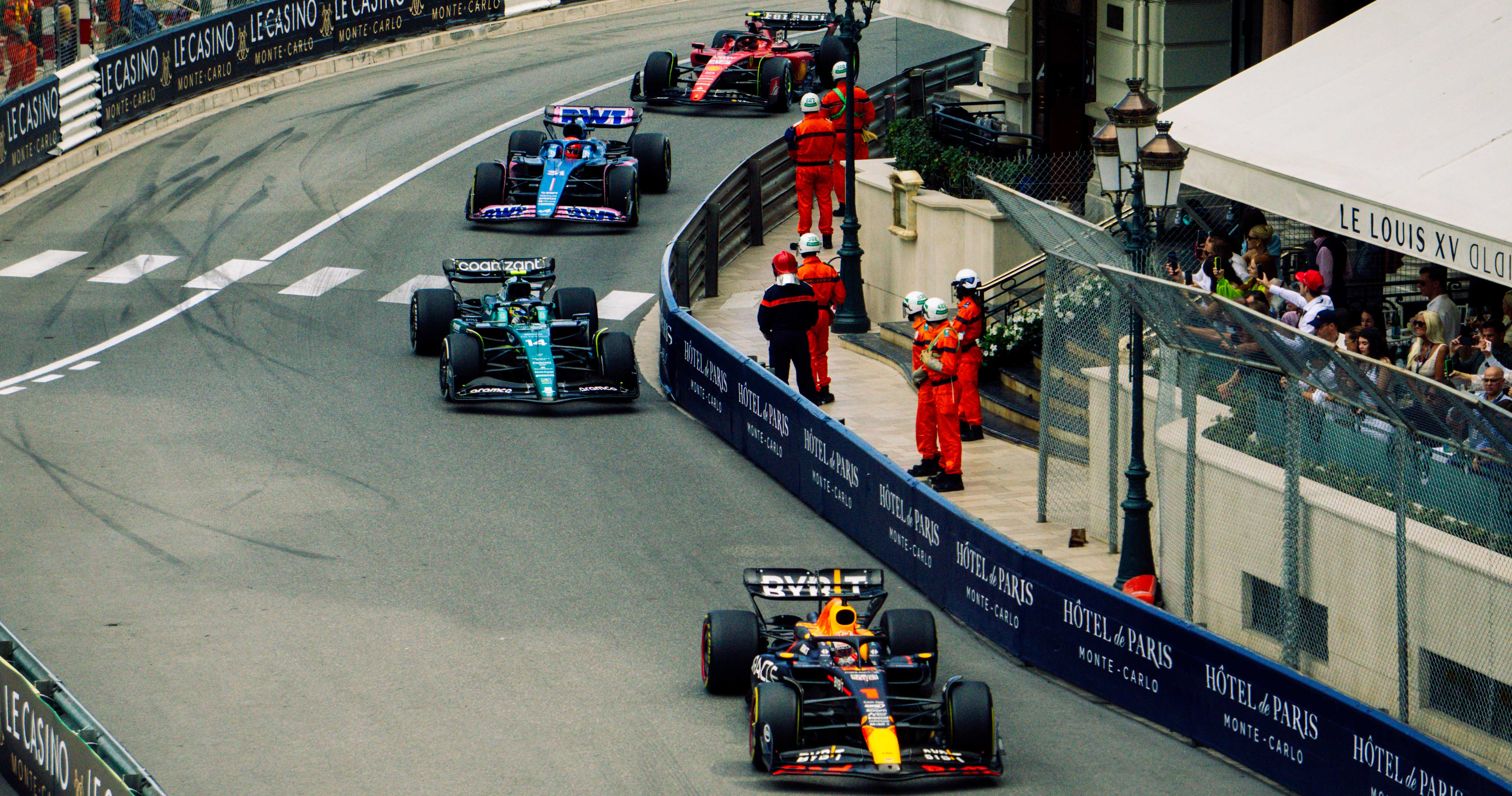
Red Bull Racing teammates Max Verstappen and Sergio Pérez navigating Monaco's tight hairpin turn during the 2023 Monaco Grand Prix, illustrating the delicate balance between Number One and Number Two drivers in F1's most demanding street circuit

From Verstappen to Pérez: The Second in Command Problem

Sergio Pérez won five races for Red Bull but was still let go. His replacement lasted two races. The problem wasn't the drivers—it was the impossibility of being Number Two to Max Verstappen. Every CEO faces this same challenge with COOs and Presidents. Here's how to structure second-in-command roles that actually work.
October 31, 2025
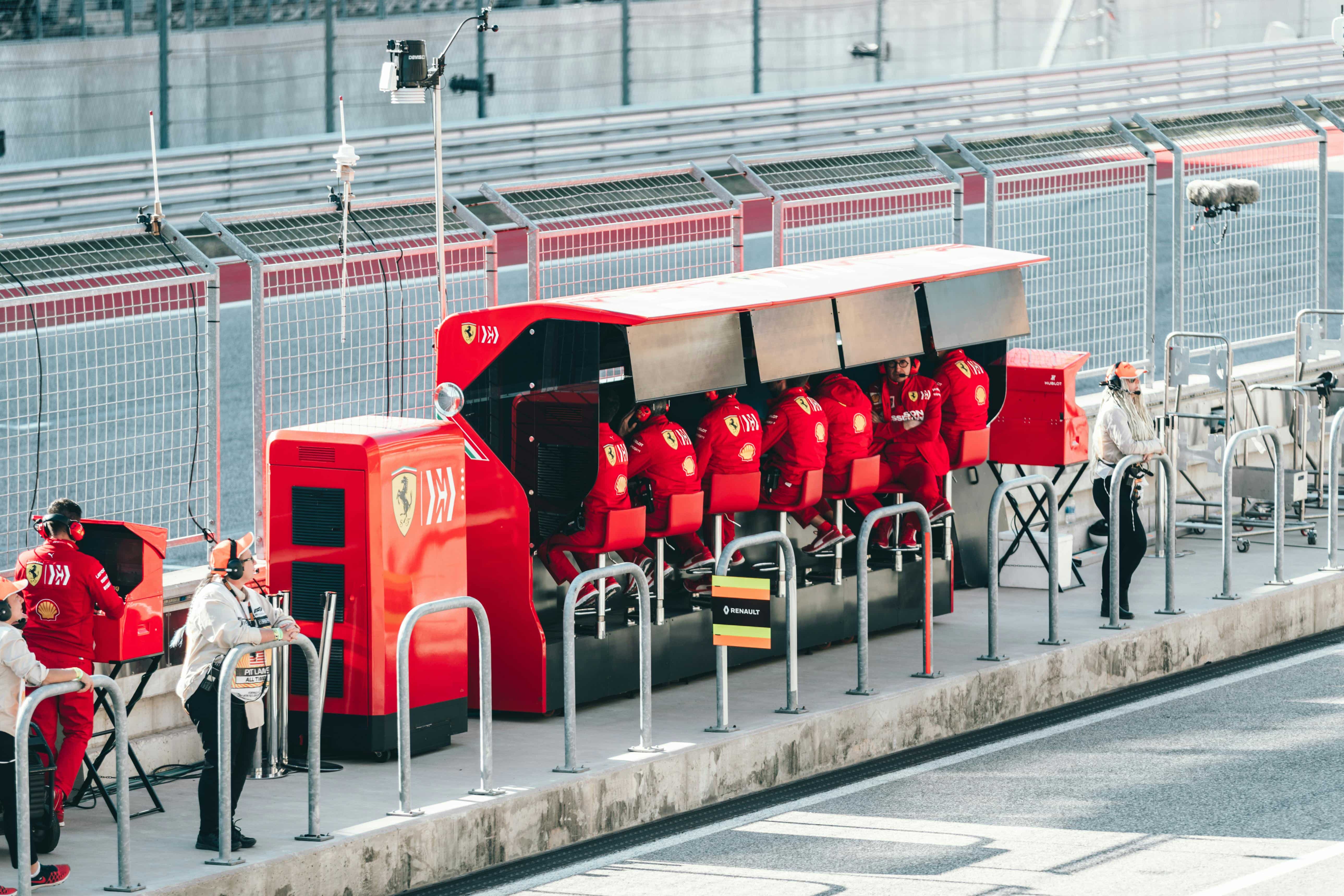
F1 team principal collaborating with pit wall crew contrasted with founder facing empty COO chair representing leadership diagnostic

Why Every COO Search is Actually a Founder Diagnosis

COO searches fail more than any other C-suite hire, not because of the candidates, but because they expose founder phase issues that nobody diagnosed before the search began. When founders struggle to hire a COO, the search itself becomes a diagnostic tool, revealing ambivalence about delegation, unclear role definitions, and organizational conditions that would cause any hire to fail. Before evaluating candidates, evaluate the conditions. Every COO search is actually a founder diagnosis.