nearshoring Archives - Page 2 of 3 - Charlie Solórzano | The Race Conditions Model™ | U.S.-Mexico Executive Search
December 1, 2025
F1 race car driving through heavy rain spray creating massive water plumes, demonstrating wet weather racing challenges and the leadership skills required to excel in uncertainty

Rain Masters: Finding Executives Who Excel in Uncertainty

In Formula 1, rain separates the champions from the field. The same holds true in business—when volatility strikes, rain master executives pull away from the competition. Learn how to identify and recruit leaders who thrive in uncertainty, drawing lessons from Senna, Hamilton, and the greatest wet-weather drivers. A guide to VUCA leadership and executive search.
December 5, 2025
Formula 1 cars on formation lap weaving to warm tires before race start, illustrating the critical preparation phase that mirrors executive onboarding's first 90 days.

Formation Lap Lessons: The Critical 90 Days of Executive Onboarding

Before the green flag drops in Formula 1, drivers complete a formation lap that's anything but ceremonial. They're warming tires, testing grip, assessing conditions, and gathering intelligence that will determine race strategy. Your new executive's first 90 days serve the same purpose—yet most companies treat onboarding like a parade lap rather than a strategic preparation phase. Here's how to fix that.
December 25, 2025
US-Mexico cross-border executive search and leadership placement connecting American and Mexican business markets in 2026

Executive Search 2026 US-Mexico Cross-Border Trends

The executive search market enters 2026 at an inflection point. While most firms focus on CEO churn and AI adoption, a structural shift in Mexico's labor landscape is creating asymmetric opportunity for advisors with cross-border expertise. Mexico's phased work week reduction from 48 to 40 hours—beginning May 2026—will reshape compensation models, productivity requirements, and leadership competencies across US-Mexico operations. Organizations need executives who can navigate both regulatory environments while building high-performance teams under resource constraints. Pattern recognition trained across decades reveals who will capture value: boutique specialists with deep domain expertise, cultural fluency, and advisory-led positioning.
January 6, 2026
F1 pit wall telemetry screens displaying US-Mexico cross-border corridor map representing leadership strategy gap in nearshoring operations

U.S.-Mexico Nearshoring: When Freight Outpaces Leadership

Cross-border truck freight from Mexico to the U.S. is up 15% year over year. Shippers have learned to treat blockades, cargo theft, and tariff exposure as conditions to manage, not reasons to retreat. The logistics teams have graduated from firefighting to systems management. The leadership architecture hasn't made the same leap. Here's the pattern I keep seeing: companies running a modern hybrid power unit with pit wall communications from the V10 era. They optimized the freight. They forgot to calibrate the leadership. Mexico gets treated as a cost center instead of a system lever. Geography organizes the org chart instead of value. Executive rotation substitutes for commitment. And the best bicultural leaders—the ones who actually understand how trust and escalation work on both sides of the border—carry informal authority that exceeds their formal mandate. The cost is quiet but compounding: chronic P&L drag, missed opportunities to reconfigure the corridor, and signal loss in the Mexican executive market as strong leaders leave for platforms where they can own more of the system. Nearshoring's logistics advantages are now baseline. The differentiator is whether your leadership design matches the new strategic weight of the corridor.
January 27, 2026
Mexico manufacturing facility with unfilled executive positions representing the nearshoring leadership gap

Manufacturing’s Leadership Vacuum: Nearshoring’s Hidden Crisis

Nearshoring isn't constrained by capital—it's constrained by leadership throughput. Leadership development operates on a five-to-ten year lag while capital deployment operates on eighteen months. The mismatch is structural. Here's why factories scale faster than the organizations built to run them.
January 27, 2026
F1 pre-season testing versus race day illustrating the difference between exploration and optimization phases

The Optimization Trap: When Speed Becomes Sabotage

F1 is running three pre-season tests for 2026 because nobody knows how the new cars will behave. They refused to measure performance before understanding the system. Most organizations skip this step entirely — rushing to optimization before exploration, then blaming talent when results don't follow. Here's what that actually costs.
January 30, 2026
Tire compound spectrum applied to cross-border executive selection between US and Mexico markets

Cross-Border Compounds: Executive Search for US-Mexico

Cross-border expansion is a C3 problem masquerading as a C5 opportunity. U.S. markets reward velocity; Mexican markets reward relationships. Here's how to match executive compounds to market conditions — and the compounding cost when you get it wrong.
February 23, 2026
Split image contrasting a U.S. corporate boardroom with a Mexican business environment, illustrating the cultural calibration gap in cross-border commercial leadership hiring

Hiring a CCO for Mexico: 5 Mistakes U.S. Companies Make

American companies repeatedly make the same five mistakes when hiring commercial leadership for Mexico. They confuse Spanish fluency with cultural fluency, import U.S. pace expectations, underestimate regional variation, prioritize corporate visibility over local presence, and assume their commercial model will transfer. The root cause is consistent: they treat the role as a process deployment when it's actually a relationship asset business. The CCOs who succeed in Mexico aren't just commercially capable. They're calibrated for both worlds.
April 6, 2026
HR leadership in Mexico requires understanding different employment law culture and loyalty systems than U.S. companies expect

HR in Mexico: What U.S. Companies Get Wrong

U.S. companies don't fail in Mexico because of talent. They fail because they import the wrong system. The law protects differently, the culture responds differently, and loyalty flows differently — and the HR leader who doesn't understand all three will create consequences the American playbook never anticipated.
May 4, 2026
CFO role AI disruption showing what survives automation — judgment, conviction and relational trust between data and decision

CFO Role in the Age of AI: What Actually Survives

Half of what made your CFO valuable five years ago is now a prompt. The variance analysis is automated. The models are built before lunch. What survives the compression is everything that lives between data and decision — judgment, conviction, translation, and the conditions for truth. And that's where the job now begins.
May 8, 2026
Executive succession dependency risk showing how one irreplaceable leader creates organizational vulnerability succession plans miss

Executive Succession: When One Person Is the Whole System

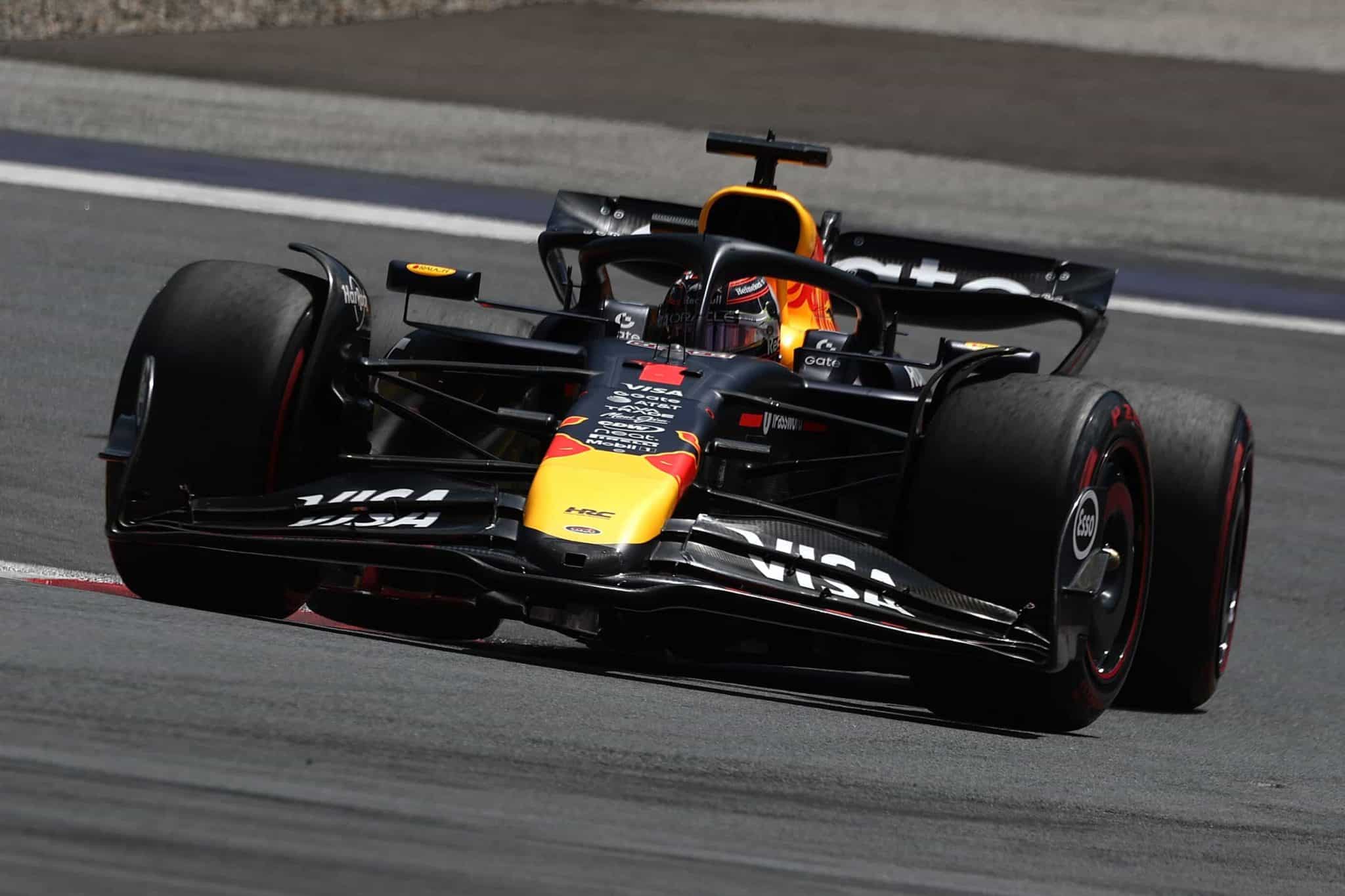
Most companies don't have succession risk. They have a hidden dependency risk they haven't named yet. When one leader IS the design architecture, the financial framework, or the client relationship — naming a replacement doesn't solve the problem. What the Red Bull-Newey situation reveals about the gap between succession planning and succession reality.